





The Stress-Hypertension Link
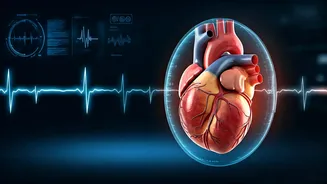
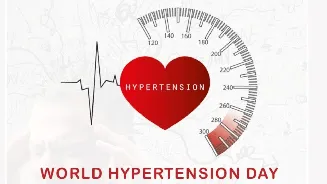
In our fast-paced world, chronic stress has emerged as a significant, often overlooked, contributor to elevated blood pressure. The demands of modern living,
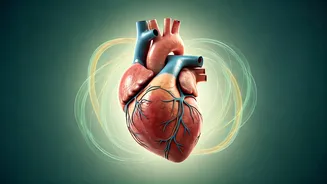
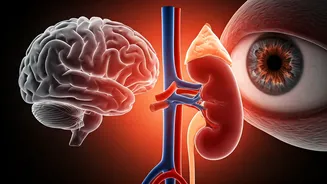
including late work nights, sleep disturbances, constant worries, mental fatigue, and excessive screen time, are particularly impacting younger generations. While traditional medical interventions and lifestyle adjustments remain crucial for managing hypertension, a growing number of individuals are seeking complementary therapies to address the underlying stress. Pranic Healing is one such therapeutic modality gaining attention for its potential to alleviate stress and, consequently, help manage high blood pressure. The well-established connection between persistent psychological stress and hypertension is recognized within the medical community. When individuals experience ongoing stress, their bodies continuously release hormones like adrenaline and cortisol, leading to an increased heart rate and blood pressure. Over time, this physiological response can escalate into more severe cardiovascular health issues. This highlights the increasing importance of alternative wellness practices that focus on cultivating emotional equilibrium and reducing psychological strain.
Understanding Pranic Healing
Pranic Healing is an energy-based therapeutic system that centers on the concept of 'prana,' the vital life force that underpins our physical, mental, and spiritual health. This non-contact healing method works by cleansing, energizing, and balancing the body's subtle energy field, which includes the aura and chakras. By harmonizing these energy centers, Pranic Healing aims to promote profound relaxation and foster greater emotional stability. The practice is rooted in the belief that imbalances in the body's energy field can manifest as physical or emotional ailments. Through specific techniques, practitioners work to remove energetic blockages and restore a healthy flow of prana, thereby supporting the body's natural healing capabilities. This approach offers a holistic perspective, recognizing the interconnectedness of mind, body, and spirit in the pursuit of well-being and health.
Emotional Well-being and BP
A significant aspect of Pranic Healing's relevance to hypertension management lies in its focus on emotional well-being. Emotions such as anger, fear, frustration, and anxiety can disrupt the proper functioning of energy centers associated with emotional regulation and overall physiological health. The 'Twin Hearts Meditation,' a core practice within Pranic Healing, is particularly beneficial for mitigating stress-induced hypertension. This meditation aims to cultivate feelings of love, compassion, and gratitude, thereby promoting inner peace and reducing negative emotional states. Furthermore, Pranic Psychotherapy offers targeted interventions to help individuals release accumulated negative emotions and reduce stress levels, leading to a decrease in anxiety and blood pressure. Complementing these techniques, Pranic breathing exercises emphasize controlled and rhythmic respiration, which has a calming effect on the nervous system and contributes to mental tranquility. The cumulative effect of these practices—reduced stress, increased inner peace, diminished anxiety, and enhanced emotional control—can lead to a more stable and balanced blood pressure cycle.
A Complementary Approach
It is crucial to emphasize that Pranic Healing is best understood as a complementary approach to managing hypertension, rather than a substitute for conventional medical treatments. Individuals diagnosed with high blood pressure should continue to adhere to their prescribed medications and follow their doctor's advice diligently. Pranic Healing and associated practices like meditation can be integrated alongside these standard medical protocols to enhance overall well-being. By addressing the stress component of hypertension, Pranic Healing offers a holistic dimension to treatment. The benefits of reduced stress, improved emotional regulation, and increased inner peace can contribute to a more balanced physiological state, potentially aiding in the management of blood pressure levels. This integrated approach allows individuals to harness the power of energy healing while maintaining the essential foundation of medical care.