


Embrace Singular Items
A cornerstone of minimalist living involves cultivating a home that is both highly functional and aesthetically simple. This often means confronting and eliminating
superfluous duplicates. Consider the items you own in multiples – whether it's an abundance of kitchen utensils, a surplus of beauty products, extra bedding, or cleaning supplies. Typically, having more than one of anything serves little practical purpose. Experts emphasize that most situations only require a single, serviceable item. Resisting the urge to buy in bulk or overstocking means you're more likely to purchase items only when they are genuinely needed, which in turn reduces both expenditure and the accumulation of unnecessary possessions. Viewing your home as a living space rather than a storage facility encourages mindful consumption and prevents it from becoming overwhelmed with excess.
Curate Your Collection
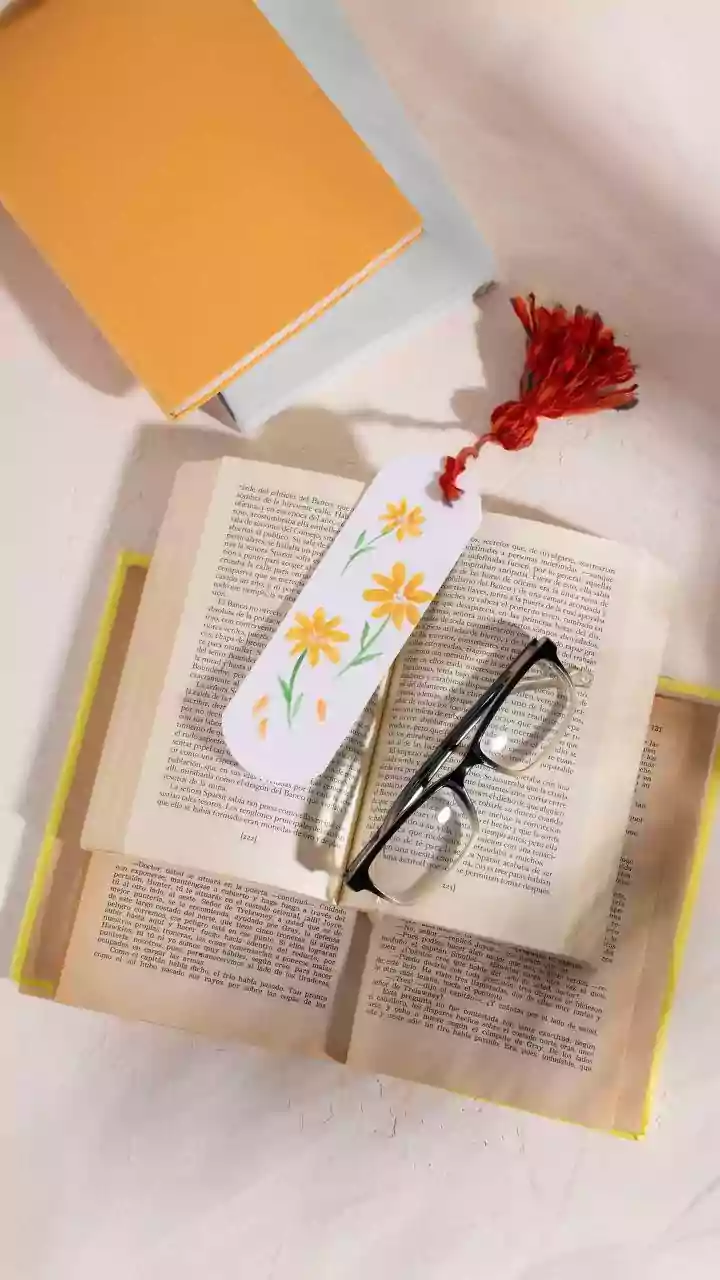
While a beautifully organized bookshelf might seem like a decorative asset, many minimalists find that books are among the first items to be cleared out during a thorough decluttering. The philosophy here isn't necessarily about eliminating reading material altogether, but rather about being selective. Holding onto books that you've already read and won't revisit, or those you intend to read but likely never will, adds to unnecessary physical and visual clutter. A more minimalist approach involves cultivating a cherished, smaller collection of absolute favorites. For everything else, the abundant resources of local libraries offer an excellent alternative. This strategy ensures you have access to a vast array of reading material without the burden of permanent ownership, freeing up space and mental energy.
Minimize Decorative Items
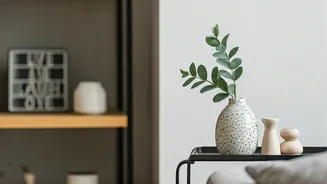
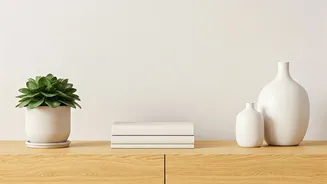
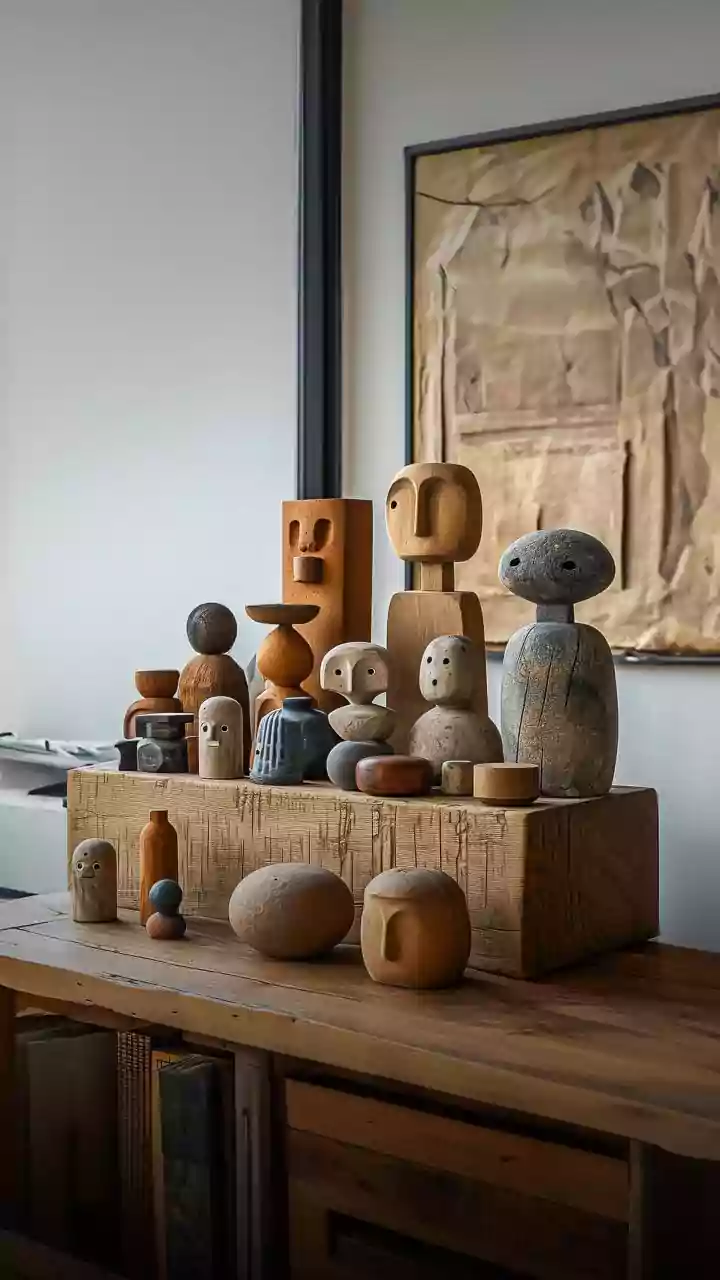
When contemplating home decor, a crucial question to ask yourself is whether you truly require additional decorative pieces or if your current focus should be on decluttering what you already possess. Many seasoned declutterers, like those practicing minimalism, consistently remove superfluous decorative items and knick-knacks during their sessions. The driving principle behind this practice is a preference for uncluttered environments that offer a sense of openness and breathing room. This approach not only significantly reduces visual clutter, making spaces feel more serene, but also dramatically simplifies the task of cleaning and maintaining the home. It's about prioritizing tranquility and ease of care over an abundance of adornments.
Discard Expired Goods
The fast-paced nature of modern life often leads to the accumulation of expired products tucked away in various corners of our homes. From spices in the kitchen pantry to cosmetics in the bathroom, it's essential to dedicate time during each decluttering session to thoroughly audit and discard these items. Minimalists stress that if a product has passed its expiration date, it's a strong indication that it wasn't used sufficiently to warrant continued presence. Keeping expired goods not only contributes to clutter but also means you're holding onto items that are no longer fit for purpose. Furthermore, letting go of expired makeup and skincare products, for instance, helps maintain a visually clean bathroom and prevents the application of potentially harmful substances to your skin, contributing to both a tidy space and personal well-being.
Streamline Paperwork
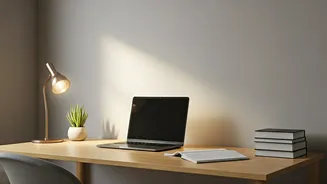
For individuals who work from home or maintain a dedicated office space, the tendency for paper clutter – receipts, crucial documents, bills, and instruction manuals – to pile up is a familiar challenge. A highly effective strategy employed by minimalists to combat this is the adoption of a digital-first approach. The vast majority of manuals are now readily available online, making it unnecessary to retain physical copies. The goal is to transition to a paperless system whenever feasible. This involves diligently discarding old receipts, outdated bills, and redundant manuals, or opting to digitize important documents if they need to be retained for future reference. Embracing this digital shift significantly reduces paper accumulation and streamlines organization.
Refresh Play & Wardrobe
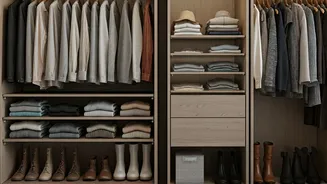
The joy of parenthood often comes with a proliferation of toys, many of which may eventually fall out of favor with children. Minimalists advocate for regular decluttering of playthings, focusing on items that are broken or no longer engaged with. Similarly, the closet is another prime area for a minimalist overhaul. Clothing that no longer fits, hasn't been worn in a significant period, or no longer aligns with personal style or comfort levels should be considered for removal. The rationale is to avoid occupying valuable closet space with garments that don't contribute positively to one's self-perception or daily needs, ensuring the wardrobe consists only of items that are functional and make the wearer feel good.
Release Unfinished Projects
It's common for individuals to have designated areas, like shelves or closets, filled with craft supplies or materials from hobbies that were started with enthusiasm but have since been abandoned. Minimalists often clear out these unused materials from arts and crafts or any other pursuits they are no longer actively engaged in. The underlying principle is a desire to move beyond items that represent a past self or unfinished business. The preference is to live in the present moment and surround oneself only with items that reflect current interests and activities. Holding onto remnants of projects never completed can serve as a constant, sometimes disheartening, reminder of intentions that didn't fully materialize.