

Wax Removal Made Easy
Candle wax mishaps, especially on delicate fabrics like tablecloths, can seem daunting. Instead of immediate machine washing, turn to your iron. Begin
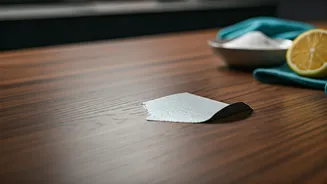
by letting any spilled wax harden completely, then gently scrape off as much as possible with a butter knife. Place a paper towel or a coffee filter over the remaining wax stain. Set your iron to a low heat setting and carefully iron over the paper or filter. The heat will melt the wax, allowing it to transfer onto the absorbent material. This technique is also effective for removing wax from carpets, providing a simple first step before deeper cleaning methods are considered.
Wood Repair Magic
Wooden surfaces often bear the brunt of daily life, accumulating dents and unsightly water stains. Your iron can surprisingly offer a solution for both. For minor dents, place a damp paper towel directly over the affected area. Apply firm but gentle pressure with your iron, gliding it over the spot. The combination of moisture and heat should help the wood fibers swell and smooth out the indentation. For water stains on wood, use a dry towel or cloth and a much lighter touch. Ensure your iron is set to a low heat and has no water in its reservoir. Move the iron in small, circular motions without dwelling too long in one spot. This gradual process can lift the stain, though deeper marks might require light sanding and refinishing.
Upholstery Steaming Power
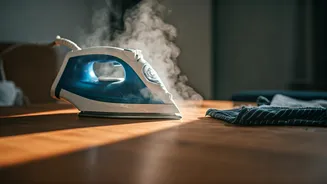
When a full garment steamer isn't available, your iron can step in to refresh upholstery and curtains. Fill your iron with water and switch it to the steam function. Carefully use the steam to target wrinkles and creases on fabric furniture or hanging drapes. It's crucial to always check the fabric's care labels first and test the iron's effect on an inconspicuous area. This prevents potential damage or discoloration. By using the steam, you can effectively revive tired-looking fabrics and maintain the aesthetic appeal of your home décor.
Revive Rug Indentations
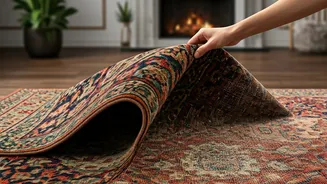
Rearranging furniture can reveal stubborn indentations left by heavy items on your carpets. To lift these marks, use a clean, slightly damp towel. Place the towel over the flattened carpet fibers. Set your iron to a low heat with the steam function engaged. Gently hover the iron over the towel for brief periods, avoiding direct contact with the rug. In between steaming sessions, use your fingers to fluff the carpet fibers. This technique helps the fibers regain their shape. Always use the towel as a protective barrier to prevent any heat damage to the carpet material.
Vinyl Flooring Fixes
Bubbles or minor dents in vinyl flooring can be a visual nuisance, but your iron offers a potential fix. You'll need a towel or parchment paper to act as a barrier. Set your iron to a low temperature. Gently and evenly glide the iron over the affected area, applying moderate pressure. This heat should soften the vinyl, allowing it to settle back into place. Once smoothed, place a heavy object on the area for a while to help it adhere firmly. For more significant issues like lifting tiles, the iron can also help soften the adhesive, making it easier to reapply glue and re-lay the flooring.
Wallpaper Removal Aid
Tackling wallpaper removal can be a tedious process, but your iron can significantly expedite it. Utilize the steam setting on your iron to target the adhesive behind the wallpaper. Work in small sections, directing blasts of steam along the edges and seams of the wallpaper panels. As the steam softens the glue, you can begin to peel away the panels. This method loosens the bond, making the wallpaper easier to remove. For stubborn areas, a paint scraper can be used in conjunction with the steaming process to gently lift the paper.