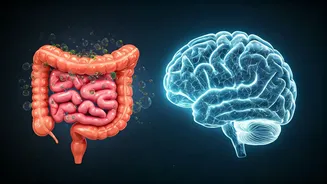







The Gut-Sleep Connection
The relationship between sleep and digestion is a sophisticated interplay, often referred to as the 'gut-sleep axis.' This bidirectional connection means
that the quality of your sleep directly influences how well your digestive system functions, and conversely, any digestive discomfort can significantly disrupt your sleep. Dr. Aravind Badiger highlights that this isn't a one-way street; poor sleep can lead to digestive issues, and digestive problems can make it harder to fall asleep and stay asleep. Understanding this intricate feedback loop is crucial for recognizing why individuals struggling with sleep often experience gastrointestinal distress and why those with digestive ailments may find themselves tossing and turning at night. It underscores the fundamental principle that these two vital bodily functions are deeply intertwined, each impacting the other's health and efficiency.
Sleep's Role in Digestion
During periods of rest, your body actively engages in numerous restorative processes, including those essential for optimal digestion. Sleep is when the body efficiently regulates metabolism, balances crucial hormones, and bolsters the immune system, all of which contribute to a well-functioning digestive tract. This downtime allows your digestive system to work at its peak, facilitating proper nutrient absorption and waste processing. Furthermore, sleep deprivation can throw your appetite-regulating hormones, ghrelin and leptin, out of sync. An imbalance in these hormones can trigger intense cravings for high-fat and sugary foods, ultimately impacting metabolic health and potentially exacerbating digestive issues. This highlights how inadequate sleep can subtly but surely undermine your gut's ability to perform its duties.
Gut Microbiome's Influence
The trillions of microorganisms residing in your digestive system, collectively known as the gut microbiome, play a pivotal role in the sleep-digestive health connection. These microbial communities are not only vital for digestion and immunity but also influence mental well-being. Intriguingly, the gut microbiome appears to adhere to the body's natural circadian rhythm, the internal sleep-wake cycle. When this cycle is disrupted—whether due to late-night screen usage, irregular shift work, or persistent insomnia—the delicate balance of beneficial gut bacteria can be significantly altered. Such dysbiosis, or imbalance, has been linked to a range of digestive problems, including inflammation, discomfort, and metabolic irregularities, underscoring the profound impact of sleep on your gut's microbial ecosystem.
Digestive Woes and Sleep
The influence of the gut-sleep axis extends in both directions, meaning that digestive conditions can significantly impair the quality of your sleep. Ailments such as gastroesophageal reflux disease (GORD), irritable bowel syndrome (IBS), and chronic indigestion are known to severely disrupt sleep patterns. For instance, lying down can worsen acid reflux, leading to frequent awakenings and fragmented sleep. The pain and discomfort associated with various digestive disorders can also make it exceedingly difficult to find restful sleep. Moreover, the gut is a major hub for serotonin production; approximately 80–90% of the body's serotonin, a key neurotransmitter influencing mood and sleep regulation, is synthesized in the gut. Consequently, the state of your gut health directly impacts your ability to achieve sound sleep.
Nurturing Gut and Sleep
Improving your sleep hygiene can be a powerful strategy for simultaneously addressing both sleep and digestive concerns. Establishing and adhering to a consistent sleep schedule is paramount, as is avoiding heavy meals, caffeine, and alcohol close to bedtime, all of which can significantly benefit both your sleep quality and digestive function. For gut health, a diet rich in fiber, incorporating fermented foods, and staying adequately hydrated are foundational. Regular physical activity also plays a crucial role, not only in promoting better sleep but also in enhancing overall digestive well-being. By focusing on these lifestyle adjustments, you can foster a more harmonious relationship between your gut and your sleep, leading to improved health.