






A History of Value
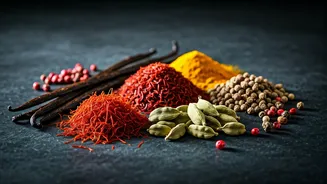
Historically, spices were treasures traded across vast distances, sometimes surpassing gold in worth. Today, this legacy continues with certain spices retaining
significant value. Their elevated prices are primarily due to the demanding, manual labor required for their cultivation and harvesting, coupled with the geographical limitations of where they can grow and the persistent high demand from kitchens worldwide. This intricate interplay of biological constraints and human effort makes these spices a luxury.
Asafoetida's Potent Resin
Asafoetida, a potent spice derived from plant resin, commands a high price owing to the challenges inherent in its extraction and processing. The plant itself thrives only in specific, limited geographical areas, and the collection of its resin is an extremely labor-intensive undertaking. Despite these difficulties, it remains a staple in Indian culinary traditions and is also recognized for its applications in traditional medicine, contributing to its continued demand and cost.
Cardamom's Aromatic Crown
Revered as the "queen of spices," cardamom is celebrated for its exceptionally strong aroma and distinctive flavor profile. Its cultivation is restricted to humid, tropical environments, and the harvesting process demands meticulous hand-picking to ensure optimal quality. The spice's widespread appeal across various global cuisines fuels a consistent high demand, which in turn sustains its elevated market price. This combination of unique growing needs and broad culinary use makes it a precious commodity.
Ceylon Cinnamon's Delicate Bark
True cinnamon, specifically Ceylon cinnamon, is particularly expensive due to the very delicate and precise process of harvesting it from the inner bark of trees. This variety grows in restricted locales, with Sri Lanka being a primary region. Its nuanced flavor and documented health benefits make it a highly prized spice in gourmet cooking and wellness practices across the globe, contributing to its premium status.
Cloves' Flavorful Buds
Cloves are the dried flower buds of a tree, and their value is determined by harvesting them at a very specific point to capture their maximum flavor intensity. These are predominantly grown in Indonesia and require careful post-harvest processing. Their potent aroma and recognized medicinal properties make them a highly valued spice, sought after for both culinary and therapeutic uses.
Saffron: The World's Costliest
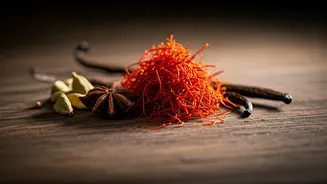
Globally recognized as the most expensive spice, saffron often costs more per gram than gold. It is painstakingly collected from the delicate stigmas of the Crocus flower, with thousands of blooms required to yield even a small quantity. The spice's rarity is amplified by its very short harvest season and the exclusively manual labor involved in picking, making it an exceptionally precious and costly ingredient.
Vanilla's Laborious Pods
Vanilla, derived from the pods of orchid plants, is costly because each individual flower must be hand-pollinated. Following this crucial step, the pods undergo a lengthy curing process that can span several months. This unique cultivation requirement, alongside its growth in specific tropical climates like Madagascar, and the extended processing time, all contribute significantly to its high price tag.