




LPG Woes Spark Demand
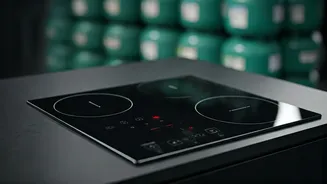
Geopolitical tensions in West Asia have unexpectedly amplified the demand for electric cooking appliances, with induction cooktops experiencing a remarkable
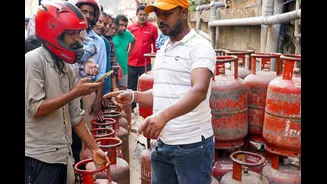
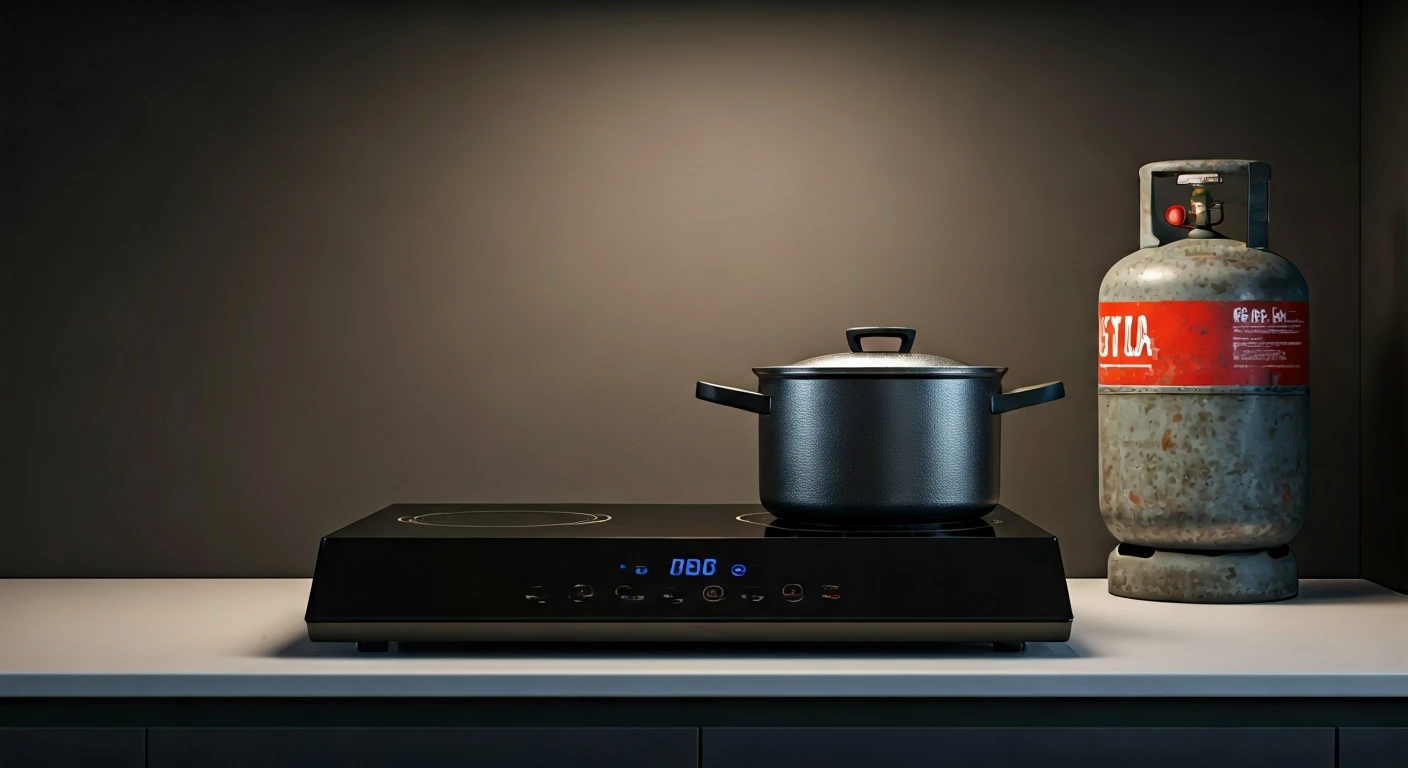
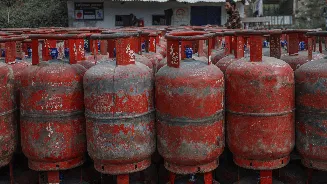
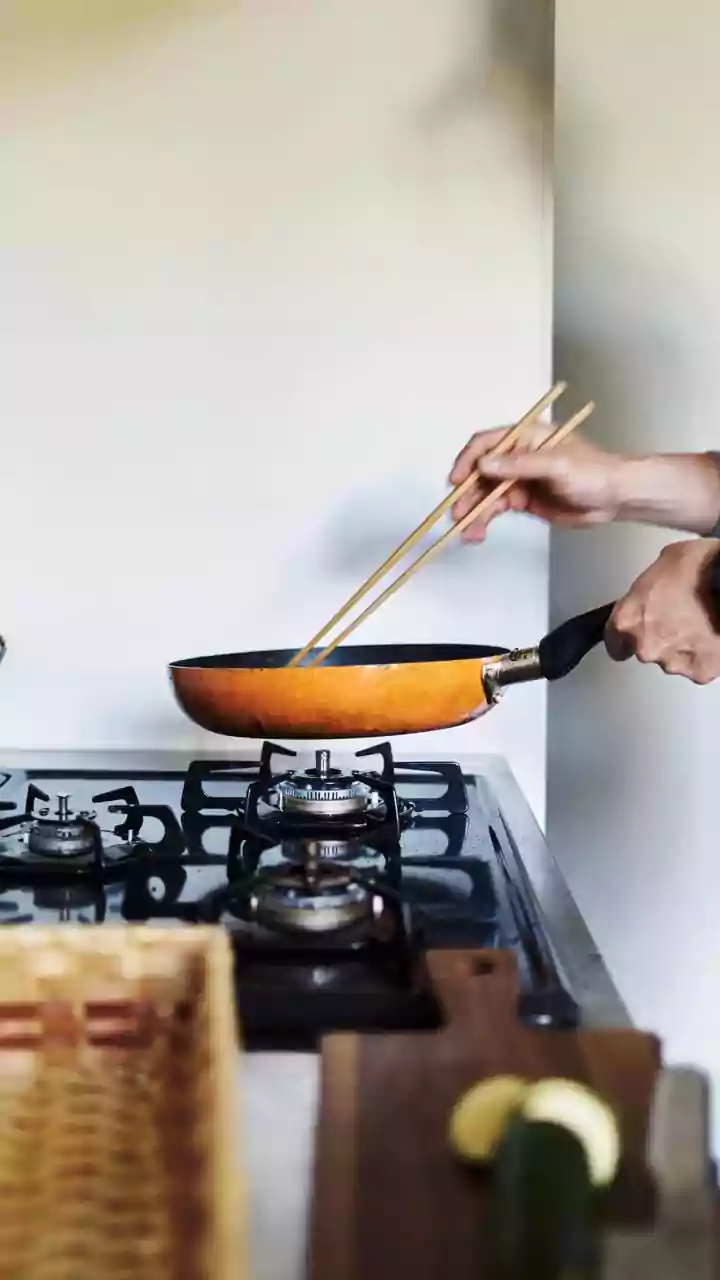
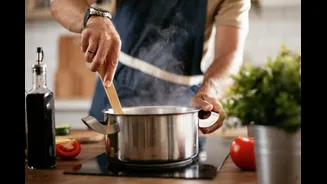
surge in popularity across both online marketplaces and physical stores throughout India. This sharp increase in interest is directly linked to growing anxieties surrounding the availability and consistent supply of Liquefied Petroleum Gas (LPG) cylinders. Consequently, consumers are actively seeking reliable alternatives to ensure their kitchens remain functional, leading to a notable uptick in electric cooktop sales. While the price of these electric alternatives has seen an increase, their availability has largely been maintained, albeit with inventories depleting at an accelerated pace, indicating a dynamic market response to consumer needs.
Sales Skyrocket Nationwide
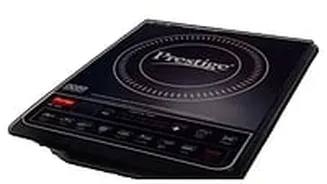
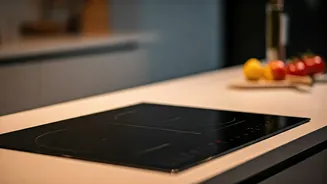
Home appliance manufacturers are witnessing an extraordinary four-fold increase in average weekly sales of induction cooktops through e-commerce channels since the onset of regional conflicts. One prominent appliance company, known for its cookware brand, is currently producing approximately two lakh induction cooktop units monthly at its facility in Karnataka and has ambitious plans to significantly expand this production capacity in the upcoming financial year. In major urban centers like Mumbai, retail prices for induction cooktops from well-known brands have escalated by 10% to 30% since early 2024. Cities such as Chennai have reported complete stockouts at numerous home appliance stores, with showrooms in prominent areas only able to offer next-day home deliveries for orders placed. Even stores managing to retain some stock have reported a dramatic rise in sales over the preceding couple of days, reflecting the urgency of the situation.
Consumer Urgency and Back-up Plans
Many residents are driven by the urgent need to secure induction cooktops as a contingency measure, especially in anticipation of potential disruptions in LPG cylinder supply. One individual recounted a frustrating search for an induction cooktop, requiring travel to a distant store to finally make a purchase. Appliance store owners have observed unprecedented sales figures, with over 100 induction cooktops sold in just two days, a phenomenon they describe as never witnessed before. While placing new orders, dealers are gradually increasing prices, highlighting the supply-demand imbalance. Another resident, whose family of six typically uses an LPG cylinder for a month, felt compelled to buy an induction cooktop for ₹2,000 as a fallback, deeming it an expensive but necessary acquisition due to uncertainty surrounding their next cylinder booking. These experiences underscore a widespread consumer sentiment of prioritizing preparedness.
Market Dynamics and Shifting Preferences
In the last two years, the sale of induction cooktops had not been particularly high. However, a dramatic shift has occurred recently, with stores reporting sales of up to 40 units in just two days. These cooktops are generally available in the price range of ₹1,500 to ₹3,500, and store owners are placing orders with manufacturers, who promise deliveries within four days. In Coimbatore, the demand for both single and double burner induction stoves has more than doubled, with consumers showing less concern for brand names and more interest in immediate availability across both online and offline sales channels. Daily sales have climbed from five to six units to an average of 12 to 13 units. Industry experts note that institutional buyers are also acquiring available products, with nearly 95% of their appliances running on electricity. Consumers are acting out of a sense of urgency, purchasing whatever is readily available, leading to a depletion of stock, with 30% to 40% of remaining inventory already exhausted. This surge has significantly increased working capital requirements for manufacturers aiming to boost production.
Pan-India Impact and Evolving Markets
The demand for electric cooktops has surged across various cities, with prices in Kolkata seeing an increase of at least ₹400 to ₹500 in recent days, accompanied by a three-fold rise in demand reported by distributors and retailers. A prominent retail chain in Kolkata has observed daily sales jump from 40-50 induction stoves to approximately 130-150. This trend has also spurred the emergence of locally-made stove ovens and mud ovens in the city, with people also purchasing coal and kerosene to sustain small eateries and household kitchens. In Patna's Chandni Chowk locality, induction stoves and electric cookers are in high demand, with customers readily accepting prices without negotiation. One shopkeeper reported selling 25 induction stoves in a single day, a personal record, and is now facing stock shortages, urging suppliers for prompt delivery. Similarly, in Lucknow, an appliance store employee expressed delight as their business has seen a significant boost, attributing it to the surge in induction stove demand, with 25 units sold in five days leading to substantial profits, even during the off-season.
Northeast and Beyond
In Guwahati, the economic hub of the Northeast, sales of induction stoves and microwave ovens have escalated by at least 50% following a government alert regarding gas supply. However, this increased demand has resulted in a shortage of these appliances, as available stock from manufacturers and dealers is being rapidly sold in major metropolitan areas. Dealers in Guwahati are now selling 15-16 units of induction stoves and microwaves weekly, a significant rise from 9-10 units previously. The primary challenge is the depletion of stock and the inability of companies to dispatch products due to overwhelming demand near production centers. Meanwhile, in Raipur, Chhattisgarh, sales and product inquiries for induction cooktops have surged, with daily sales increasing from five to six units to approximately 15 over the past four to five days. Customers are actively seeking these appliances as a handy backup in case LPG cylinders become unavailable.