
Protein Powerhouses
Proteins are fundamental to our body's structure and function, acting as building blocks for cells and facilitating repair. The article introduces a list
of vegetarian foods that are rich in protein, which can help meet the daily intake of protein for vegetarians. These foods are a healthy alternative to the protein intake of non-vegetarian foods. As per studies, vegetarians often have a protein deficit in their diet. The information also has a quick tip regarding cooking lentils.
Lentils and Pulses
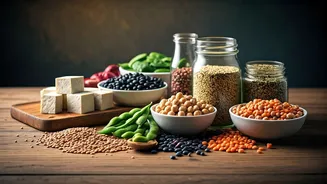
Lentils and pulses, being a part of the legume family, are an excellent source of protein. Options such as green lentils, chickpeas, moong dal, and kidney beans are great for daily consumption. Kidney beans alone offer about 17 grams of protein per cup, along with potassium and complex carbohydrates. Additionally, they are budget-friendly and easily available. A quick tip is that dry lentils cook in just 15 minutes.
Seitan's Protein Punch
Seitan, popular among vegetarians, is made from gluten and contains around 25 grams of protein per 100 grams, making it a highly protein-rich food. Although, tofu has slightly higher fat content and thus a bit less protein, you can choose versions that are low in fat or have higher fat content. However, one should be cautious about potential adulteration when buying seitan to enhance its flavor and texture. People with celiac disease or gluten allergies should avoid seitan.
Green Peas' Goodness
Green peas, a popular green vegetable, offer a good source of protein. A cooked cup (240ml) of green peas provides approximately 9 grams of protein, accounting for around 25% of the daily fiber intake. These also provide vitamins A, C, and K. Including green peas in recipes is an easy way to increase protein intake.
Sprouts for Health
Sprouts are a nutritional powerhouse that are easy to digest. They are packed with protein. Sprouts are a great food to consume if you're on a weight loss diet. It is also one of the best vegetarian sources of protein. A great tip is to soak the sprouts overnight and consume them raw or with a salad.
Soy Milk Benefits
Soy milk, made from soybeans and filtered water, is a good alternative to dairy milk. One cup of unsweetened soy milk offers 7 grams of protein and is lower in carbs and fats compared to cow's milk, making it a good choice for those with lactose intolerance. However, soy is one of the most common allergens for both adults and children, so it’s something to be aware of.
Nuts and Seeds
Nuts, including almonds, walnuts, and cashews, are rich in protein and are also a source of iron, calcium, and vitamins A and B. Eating a handful of mixed nuts, especially on an empty stomach, is a great way to start your day. Nut butters, like peanut butter, also offer protein. It is important to minimize salt intake and avoid salty nuts.
Oats for Sustenance
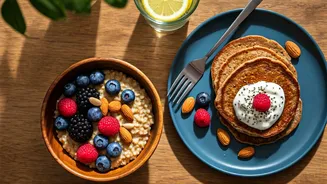
Oats, high in protein and rich in soluble fiber, are easy to digest. A small cup of oats provides 6 grams of protein and helps reduce the risk of heart disease and cholesterol. Consuming oats with milk and almonds can further boost your protein intake.
Chia Seeds' Value
Chia seeds, recently celebrated as a superfood, offer 6 grams of protein and 13 grams of fiber in a 35-gram serving. They contain a good amount of amino acids, which helps the body absorb protein effectively. Soaking chia seeds in water boosts their nutritional value.
Fruits and Dairy
Fruits such as avocado, jackfruit, and guava can also contribute to protein intake. Adding fruits to a diet provides antioxidants and fiber, aiding in hydration. Dairy products like cheese, yogurt, and cottage cheese also contain protein. Greek yogurt is particularly nutritious, offering 15 grams of protein per six-ounce serving, with less fat and beneficial probiotics. It is advised that those with lactose intolerance should avoid it.
Tofu, Tempeh, Edamame
Tofu, tempeh, and edamame, all derived from soybeans, are popular around the world. Soybeans contain all essential amino acids. Edamame, the immature soybean, tastes like green beans and is rich in folate, vitamin K, and fiber. Tempeh, made from fermented soybeans, has a meat-like texture and contains probiotics, B vitamins, and minerals. Steaming or boiling edamame, then lightly sautéing it, is a tasty way to enjoy it.
Protein Intake FAQs
Consuming excessive protein may lead to health risks like kidney damage and digestive issues, so it's best to stick to recommended daily intake levels. High-protein diets, when paired with exercise, can help in building lean muscle and facilitate weight loss. Foods like chia seeds and Greek yogurt are beneficial for weight management.