







Walking's Surprising Power
Walking, a readily accessible activity, frequently gets underestimated as a fat-burning exercise. Unlike intense workouts, walking provides a sustainable
method for calorie expenditure, contributing significantly to weight management. Its accessibility is a major plus; you don't need expensive equipment or a gym membership. Walking also integrates effortlessly into your daily schedule, making it easier to maintain consistency. The physiological advantages of walking extend beyond mere calorie burning. Regular walking enhances cardiovascular health by strengthening the heart and improving blood circulation. This can lower the risk of heart disease and stroke. It also boosts metabolism, which is essential for efficient fat burning, while simultaneously improving mood and reducing stress. Walking is a low-impact exercise that is suitable for people of all ages and fitness levels. It offers a gentle yet effective way to improve physical health and contribute towards a sustainable approach to weight loss. The simplicity of walking makes it an adaptable tool for anyone aiming to enhance their physical well-being. Choosing walking over other types of exercise is often a more sustainable choice for overall health.
Calorie Burn Explained
The number of calories burned during a walk depends on several factors, including your body weight, walking speed, and terrain. Generally, a person can burn a significant number of calories by walking at a moderate pace, making it a viable component of a calorie deficit strategy, which is critical for weight loss. For instance, a 150-pound individual walking at 3.5 miles per hour might burn around 280 calories in an hour. This number goes up with body weight and walking intensity. Incorporating hills or varied terrain will further increase calorie expenditure. For those aiming to lose weight, understanding the connection between walking and calorie burn is essential. To lose one pound of fat, you typically need to burn around 3,500 calories. Consequently, regular walking, combined with a balanced diet, can contribute significantly to achieving this goal. It's crucial to acknowledge that individual results will vary. Factors like metabolism and overall fitness levels play a role. However, consistent walking combined with smart dietary choices is an efficient approach to fat reduction. This method offers a sustainable and accessible means of enhancing overall health and achieving a healthy weight.
Walking for Weight Loss
To optimize walking for weight loss, consider these strategies. First, aim for at least 150 minutes of moderate-intensity exercise per week, according to guidelines from health organizations. This can be broken down into daily walks or sessions spread throughout the week. Varying the intensity and duration of your walks is helpful for keeping your body challenged and preventing plateaus. For example, alternate between brisk walks and slower recovery periods. In addition, incorporating interval training, where you alternate between high-intensity bursts and periods of rest or low-intensity walking, can further boost your calorie burn and improve your fitness level. To maximize the benefits, consider the terrain. Walking on inclined surfaces, such as hills, forces your body to work harder and expend more energy. Consider wearing a weighted vest or carrying light weights to increase the challenge, but start gradually. Walking outdoors can also be more engaging, with natural variations in terrain and scenery. It can also be combined with mindful practices, such as paying attention to your breathing and surroundings, which enhances the overall experience. Consistency is key. Make walking a regular habit, and gradually increase the intensity and duration over time.
Tips for Success
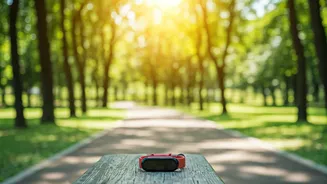
To make walking a consistent part of your routine, start by integrating it into your daily life. Walk to work, during lunch breaks, or use stairs instead of elevators. Set realistic goals, such as starting with 10-15 minutes of walking per day and gradually increasing the time and intensity. Create a schedule and stick to it, treating your walking sessions like any other important appointment. To stay motivated, find a walking buddy. Having someone to walk with can provide accountability and make the experience more enjoyable. Mix up your routes to avoid monotony, explore different neighborhoods, parks, or trails. Track your progress using a fitness tracker or a smartphone app, this can help you monitor your steps, distance, and calories burned, providing a sense of achievement and encouraging continued effort. Listen to music, podcasts, or audiobooks while walking to make the time pass more quickly. Reward yourself for reaching milestones. These rewards should be non-food related, such as buying a new book, getting a massage, or treating yourself to an enjoyable experience. Proper footwear is essential, invest in comfortable walking shoes that provide good support. Drink plenty of water before, during, and after your walks to stay hydrated, and take breaks when you need them. Prioritizing consistency, and enjoying the process can make walking an enjoyable and effective part of your lifestyle.