




The Art of Arrival
A recent online video has captured widespread attention for showcasing a toddler's remarkably tranquil return from school. Instead of the usual hustle
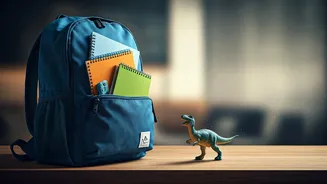
and bustle often associated with children coming home, this little one exhibits a calm, unhurried sequence of actions. Upon entering the house, the school bag is gently removed, and shoes are neatly placed aside. There’s a noticeable absence of immediate demands for screens or signs of distress. This unprompted, rhythmic sequence suggests a deeply ingrained sense of self-sufficiency, allowing the child to transition into their home environment without external pressure, fostering a peaceful coexistence between the school day and personal time. The video serves as a gentle reminder of the profound impact that allowing children to navigate simple tasks independently can have on their overall well-being and character development.
Independence Over Academics
The viral video's widespread appeal lies not in overt displays of discipline, but in the quiet demonstration of genuine independence. The toddler intuitively knows the sequence of actions upon arriving home – where to put their bag, how to remove their shoes, and the next steps in settling in – without explicit prompting. This subtle mastery of basic life skills is what truly stands out, suggesting that a child's ability to exist comfortably and competently within their personal space is a foundational element of their development. This organic learning process, observed in the unscripted movements of the child, underscores the idea that fostering self-reliance from an early age contributes significantly to a child's character, shaping them into more capable and confident individuals who can manage their own needs and routines.
Beyond Homework Demands
Crucially, the toddler's routine bypasses the immediate post-school pressure of homework or extensive questioning about their day. Instead, it prioritizes a necessary period of decompression. Experts in child development frequently emphasize that children returning from school are often carrying the weight of rules, social interactions, and minor stressors that aren't always visible. Instead of immediately inundating them with further tasks or interrogations, allowing them a moment to simply 'be' and transition back into a relaxed state is vital. This period of quiet acclimatization helps children feel secure and grounded in their home environment, creating a sanctuary where they can effectively unwind and recharge, preparing them for subsequent activities without feeling overwhelmed by demands.
The Rarity of Calm
The profound resonance of this video likely stems from its depiction of a rare, yet achievable, middle ground in modern parenting. It eschews the extremes of overly rigid schedules or complete disarray, and avoids the pitfalls of constant screen engagement or unattainable ideals of perfect parenting. This toddler’s routine suggests that fostering a sense of calm and independence doesn't require elaborate systems or minute-by-minute control. Instead, it hinges on establishing a predictable and trustworthy rhythm that children can rely on. This consistent flow of familiar actions, even when parents are tired, is instrumental in building this sense of security and self-sufficiency, proving that patience and repetition are key to cultivating such valuable life skills.