




Sun Protection Essentials
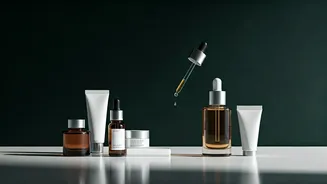
Protecting your skin from the sun is paramount during the summer months. It's recommended to apply a broad-spectrum sunscreen with an SPF of 30 or higher
generously about 15 to 20 minutes before stepping outside. This protective layer should be reapplied every two to three hours, especially if you're sweating or in contact with water. Sunscreens are vital as they shield your skin from UVA rays, which contribute to photoaging, and UVB rays, the primary cause of sunburn. Complementing sunscreen use with physical barriers like wide-brimmed hats, sunglasses, and lightweight, full-sleeved clothing can significantly reduce direct sun exposure. Dermatologists can also create personalized sun protection strategies tailored to your specific skin type, sensitivity, and daily activities, ensuring optimal defense against the sun's harmful effects.
Hydration for Summer
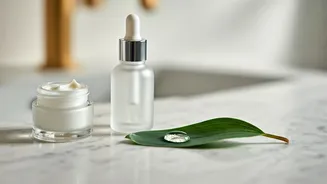
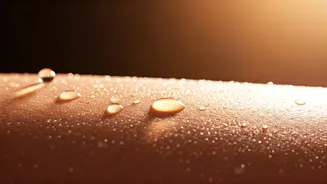
Maintaining proper hydration is just as critical as sun protection when the temperatures soar. High heat causes increased perspiration, which can lead to skin dehydration and a dull appearance, even if your skin feels oily. Opt for lightweight, non-comedogenic moisturizers that will keep your skin supple without clogging pores. Ingredients like hyaluronic acid and glycerin are excellent choices because they effectively lock in moisture while allowing the skin to breathe. For those struggling with significant dehydration or sensitivity during the hottest part of the year, dermatological treatments such as skin barrier repair therapies and intensive hydrating facials can offer substantial relief and aid in restoring the skin's natural moisture balance.
Mindful Cleansing Routines
Your daily cleansing regimen also requires adjustment for the summer season. Gentle washing in both the morning and evening is crucial for removing accumulated sweat, oil, and environmental pollutants that can settle on your skin's surface. Be cautious, however, as over-cleansing or using harsh products can strip the skin of its essential natural oils. This depletion can lead to irritation and paradoxically trigger increased oil production as the skin attempts to compensate. Dermatologists often guide patients towards moderate cleansing practices that effectively clean the skin without compromising its vital protective barrier, ensuring a healthier complexion.
Tackling Pigmentation Issues
Summer brings its own set of challenges concerning pigmentation and uneven skin tone. Increased sun exposure can stimulate melanin production, leading to tanning, the appearance of dark spots, and conditions like melasma. To combat this, incorporating skincare products rich in antioxidants, such as those containing Vitamin C, can help neutralize oxidative stress and prevent further pigmentation. For persistent pigmentation concerns, professional dermatological interventions like chemical peels and laser treatments are highly effective. These procedures are known to promote skin cell regeneration and effectively restore a more even and luminous skin tone.
Holistic Skin Health
Beyond specific treatments, embracing a healthy lifestyle and general skincare practices is fundamental for resilient summer skin. Internally, regular showers, wearing breathable clothing, and maintaining a balanced diet rich in fruits and vegetables contribute significantly to overall skin health. To prevent pore congestion and breakouts, it's advisable to minimize heavy makeup application and opt for non-comedogenic formulations. Dermatological services are available to address issues like acne, repair sun damage, and implement preventative skincare measures, equipping your skin with the strength it needs to handle seasonal challenges effectively and ensuring it remains healthy and radiant.