







The Humble Power of Chores
While many ponder grand philosophies behind societal success, the answer might be surprisingly simple and found within the home. Dr. Dritesh Malik suggests
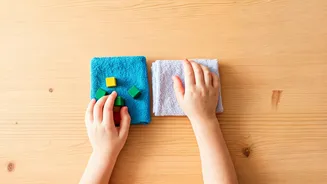
that everyday household duties, performed by children, are a foundational element in developing a strong character and a readiness for adult life. This isn't about magical differences in people, but rather about cultivating a practical understanding that contribution is key. From a young age, children who participate in tidying, organizing, and cleaning learn that no task is insignificant. They begin to see themselves as active participants in their family unit, a mindset that proves invaluable as they grow. This early exposure to responsibility instills a sense of dignity in effort and prepares them to tackle challenges with confidence, laying the groundwork for future achievements beyond the classroom.
Beyond Borders: Universal Lessons
The principle of children contributing to household upkeep isn't confined to any single culture; it's a practice observed in many societies that champion discipline, self-reliance, and respect for labor. The key differentiator isn't just cultural nuance, but a practical outcome. When children are shielded from daily responsibilities, they can develop a tendency to expect others to resolve their problems. Conversely, when they are gradually guided to perform tasks independently, they cultivate a robust sense of self-assurance and resilience. This underscores Dr. Malik’s point: success is built not only in formal learning environments but also within the everyday spaces of our homes, through the consistent acceptance of small, manageable duties. This steady accumulation of responsibility shapes their approach to life, fostering a proactive and capable disposition.
Cultivating Dignity and Confidence
At its core, this approach is about empowering children to engage in the work that sustains a household. Allowing them to clean, carry, and arrange items, not as a form of punishment or obligation, but as an integral part of growing up, instills a profound lesson: there is inherent dignity in effort. They learn that responsibility is not a burden to be avoided, but a role to be embraced with quiet pride. This consistent practice transforms how they view work and challenges, building a foundation for lifelong self-sufficiency. The objective isn't merely to produce obedient children, but rather to nurture individuals capable of independent thought and action. In a world that often seeks the easiest path, assigning chores might initially feel challenging for both parent and child, but it ultimately represents one of the most meaningful forms of nurturing care, equipping them for an independent future.
Building Blocks for Adulthood
Regular engagement with household chores equips children with crucial life skills that extend far beyond simple task completion. According to Dr. Dritesh Malik, these activities foster greater independence and organizational abilities, preparing them effectively for the responsibilities of adulthood. Chores also offer children a tangible understanding of patience; they learn that effort precedes reward and that life involves more than just comfort—it requires contribution. By participating in routines, completing tasks, and respecting shared living spaces, children acquire fundamental competencies that are not trivial. These are the essential building blocks upon which a well-rounded and capable adult life is constructed, instilling a sense of purpose and capability.