
Dairy Delights
Dairy products, such as milk, cheese, and yogurt, are renowned for their high calcium content, a fundamental mineral for strong bones. Calcium contributes
significantly to bone density, reducing the risk of fractures and osteoporosis, particularly as individuals age. Furthermore, dairy also offers essential proteins vital for muscle development and repair, contributing to overall strength and mobility. Vitamin D, often found in fortified dairy products, works synergistically with calcium to enhance absorption, ensuring the body can effectively utilize this crucial nutrient. Incorporating dairy into your diet provides a versatile source of both calcium and protein, supporting a foundation for long-term bone health and muscle strength, and contributing to overall joint health.
Protein Powerhouses
Protein, the building block of tissues, plays a critical role in maintaining muscle mass, which indirectly supports joint stability and overall bone health. Lean protein sources, including chicken, fish, beans, and lentils, are excellent choices. They provide essential amino acids, which are crucial for repairing and rebuilding muscle tissue after exercise or injury. Adequate protein intake is particularly vital for older adults, who may experience age-related muscle loss. Sufficient protein helps maintain muscle strength, reducing the strain on joints and supporting overall bone health. Moreover, protein assists in the production of collagen, a structural protein found in cartilage, which cushions the joints and facilitates smooth movements. Therefore, including protein-rich foods contributes to a balanced diet that supports the interconnected health of bones, muscles, and joints.
Leafy Greens Abound
Leafy green vegetables are packed with essential vitamins, minerals, and antioxidants, each contributing to bone, muscle, and joint wellness. Spinach, kale, and collard greens, for example, are rich in vitamin K, a nutrient that promotes bone health by aiding calcium absorption and bone formation. These greens also contain significant amounts of magnesium, another mineral vital for maintaining bone density and preventing muscle cramps. Furthermore, the antioxidants present in leafy greens help combat inflammation throughout the body, providing direct benefits to joints. Chronic inflammation can cause joint pain and damage, so consuming antioxidant-rich foods can provide a protective effect. The combination of vitamins, minerals, and antioxidants in leafy green vegetables supports a holistic approach to maintaining strong bones, muscles, and healthy joints.
Fabulous Fruits
Fruits, with their diverse array of nutrients, are important for promoting bone and joint health. Citrus fruits, such as oranges and grapefruits, are rich in vitamin C, which is essential for collagen synthesis. Collagen is a key structural component of cartilage, which cushions the joints and prevents friction. Berries, like blueberries and strawberries, are high in antioxidants that help protect joints from oxidative stress and inflammation. Vitamin C also aids in the absorption of iron, which is necessary for healthy bones. The natural sugars in fruits offer energy to support overall well-being. Regular fruit consumption supports healthy joints and protects them from the damaging effects of age and activity. The combination of vitamins, antioxidants, and minerals in fruits contributes to a balanced approach to supporting overall bone and joint health, promoting longevity.
Fatty Fish Feast
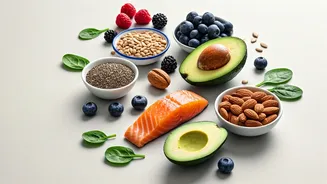
Fatty fish, such as salmon, mackerel, and sardines, are excellent sources of omega-3 fatty acids, crucial for reducing inflammation throughout the body. Omega-3s have been shown to help alleviate joint pain and stiffness, promoting joint health and mobility. These fish also provide vitamin D, which supports bone health by facilitating calcium absorption. Furthermore, they are a good source of protein, which contributes to muscle strength. The anti-inflammatory properties of omega-3s can provide a protective effect against joint damage and pain. Additionally, including fatty fish in your diet supports cardiovascular health and provides the body with essential nutrients for overall well-being. Adding fatty fish to your diet delivers a well-rounded nutritional profile, providing bone-strengthening vitamins, anti-inflammatory compounds, and the essential amino acids crucial for joint and muscle health.