





Revolutionary Rice Architecture
Scientists at CSIR-NIIST have engineered a novel rice variety, aptly named 'Designer Rice,' that promises a significant leap in nutritional value. Led
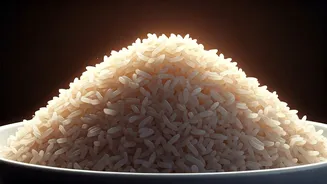
by Director C Anandharamakrishnan, this project embodies 'food architecture,' a meticulous approach to enhancing staple foods. The innovation focuses on addressing two critical health paradoxes prevalent in India: the high prevalence of diabetes, exacerbated by the rapid blood sugar spikes from conventional rice, and the widespread issue of 'hidden hunger,' where individuals consume sufficient calories but lack essential protein and micronutrients. Designer Rice aims to tackle both these challenges simultaneously, offering a fortified and healthier alternative without demanding drastic dietary changes from the population.
Ingenious Creation Process
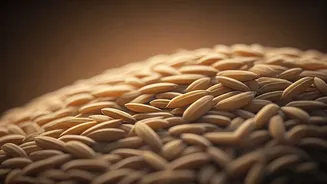
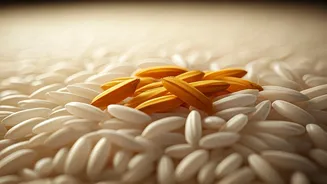
The brilliance of 'Designer Rice' lies in its innovative creation method, which ingeniously utilizes broken rice—grains typically sold at a lower price due to milling byproducts. Instead of genetic modification, the research team employs advanced food-processing technology. These broken rice grains are finely ground into flour, then expertly blended with essential protein sources and crucial micronutrients such as iron, folic acid, and Vitamin B12. This nutrient-rich mixture is subsequently reformed into individual grains that are virtually indistinguishable from regular rice in appearance, texture, and taste. This process effectively upgrades a previously underutilized resource into a high-value, health-promoting food product, aligning with principles of a circular economy.
Exceptional Nutritional Advantages
Designer Rice boasts a trifecta of health benefits that set it apart from conventional varieties. Firstly, its Glycaemic Index (GI) is remarkably low, registering below 55. This translates to a slow release of energy, significantly mitigating the sudden blood sugar surges often experienced after consuming regular rice, making it an excellent choice for individuals managing diabetes. Secondly, it is a protein powerhouse; while standard rice typically contains 6-8% protein, Designer Rice offers an impressive protein content exceeding 20%. This substantial increase directly combats protein deficiency, a key aspect of hidden hunger. Finally, the rice is fortified; it incorporates iron, folic acid, and Vitamin B12 directly into its grain structure, providing a robust defense against anemia and other micronutrient deficiencies prevalent in many populations.
Cultural Integration and Impact
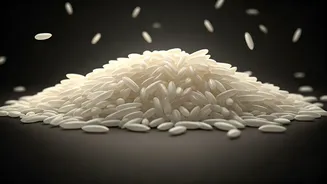
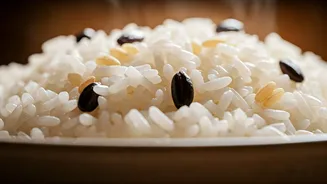
A key success factor for 'Designer Rice' is its seamless integration into existing dietary habits. Dr. Anandharamakrishnan highlights that the rice not only tastes superior to normal rice due to its enhanced protein content but also eliminates the need for consumers to adopt unfamiliar or expensive alternative foods like quinoa or specialized salads. People can continue to enjoy their beloved rice dishes—from pulao to biryani—while reaping substantially increased nutritional benefits. This approach respects cultural food practices while introducing a healthier option. Furthermore, by repurposing broken rice, the initiative champions a sustainable 'circular economy,' offering farmers an avenue to add value to a previously marginalized byproduct, thereby enhancing livelihoods and contributing to a more sustainable agricultural ecosystem in India.