





LPG Crunch Hits
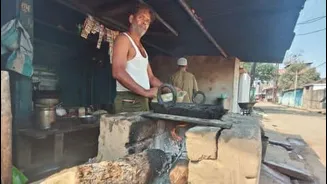
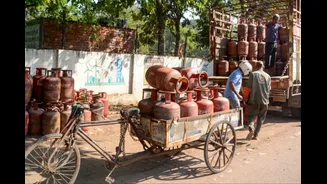
A significant shortage of Liquefied Petroleum Gas (LPG) is causing widespread disruption across Bhubaneswar's food establishments, impacting everything
from popular restaurants and cafes to mid-range hotels. The escalating conflict in West Asia is cited as the primary driver for this supply crisis, which has moved beyond street-food vendors and small eateries to affect the mainstream hospitality sector. In response, many businesses have introduced "temporary menus" with adjusted pricing, clearly indicating the reason for these changes to their patrons. Restaurant owners report that to cope with the limited LPG availability, they've had to increase prices on many dishes by a substantial 30% to 40%. Furthermore, to conserve precious cooking fuel, less popular or non-essential items have been removed from the menu altogether, with most outlets prioritizing their signature and high-demand dishes to maintain operational capacity.
Delivery Disruptions
The LPG shortage has not only altered dine-in experiences but has also significantly impacted online food delivery services. Several well-known restaurants have been compelled to suspend their delivery operations entirely, much to the disappointment of both avid food lovers and the gig economy workers who rely on these orders. Delivery executives have reported a noticeable downturn in their earnings over the past week, directly correlating with the reduced number of orders being accepted by partner restaurants. This situation creates a ripple effect, affecting the income of delivery personnel and the convenience offered to consumers. To mitigate these challenges and remain operational, some establishments are resorting to pre-cooking meals and then reheating them using electric ovens for delivery or dine-in customers. While this is acknowledged as a less-than-ideal solution, business owners feel it's a necessary measure given the current circumstances and the limited LPG supply they are receiving.
Customer Impact
The repercussions of the LPG shortage are keenly felt by consumers in Bhubaneswar. Diners are now encountering fewer choices on restaurant menus and are faced with increased prices for their favorite meals. Many customers have observed that numerous eateries now display changed menus, highlighting a reduced selection of dishes and a general rise in costs. This shift is creating a less flexible and more expensive dining landscape. For instance, a college student noted that nearly every place visited that day featured updated menus indicating fewer items and higher prices. The economic implications are also substantial for food delivery executives, who have seen a significant drop in their daily income, with some reporting a fall of at least 40%. This is largely due to many restaurants no longer accepting online orders, directly affecting the livelihoods of these gig workers. The ongoing uncertainty surrounding the West Asia conflict suggests that the LPG supply issues may persist, leading restaurateurs to fear further operational restrictions if the shortage continues.