









Price Hike Announced
Across India, consumers will soon notice an increase of Rs 2 on every litre of fresh milk purchased from leading dairy brands. This price adjustment is slated
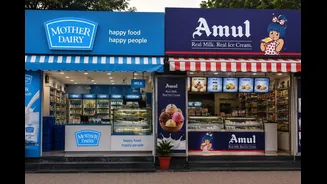
to take effect from May 14th. The decision comes as a result of a significant rise in the expenses associated with both the production and the operational aspects of dairy farming. Specifically, the cooperatives have highlighted the escalating costs of essential inputs like cattle feed, the packaging materials used for milk, and the price of fuel, all of which have seen substantial increases over the past year. This move by prominent dairy suppliers aims to reflect these unavoidable cost escalations.
Factors Driving Costs
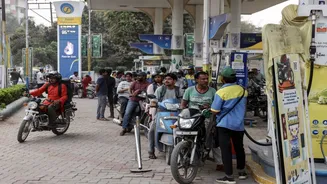
The cooperatives have detailed that the Rs 2 per litre price increase is a direct consequence of a "substantial increase in the cost of cattle feed, milk packaging film and fuel during the year." This means that the very components necessary to produce and deliver milk to your doorstep have become considerably more expensive. Furthermore, the dairy cooperatives have also boosted the price they pay to farmers for their milk. One cooperative indicated that its member unions have raised the procurement price for farmers by Rs 30 per kilogram of fat. This represents a nearly 3.7% increase in what farmers receive for their milk compared to the same period in the previous year. These combined pressures necessitate the retail price adjustment to maintain viability.
Balancing Farmer & Consumer
One of the involved dairy companies, which recently revised its prices in April, stated that the current hike was "necessitated in view of the sustained increase in farmer procurement prices, of around 6 per cent over the past one year." They emphasized that despite continuous efforts to absorb these rising expenses and minimize the impact on consumers, the current situation requires an adjustment. The company further clarified that this price revision will only allow for a partial recovery of the increased costs. The stated objective is to strike a "fair balance between farmer welfare and consumer interests," ensuring that farmers receive a fair price for their produce while trying to keep the burden on consumers as manageable as possible. This entity alone distributes approximately 35 lakh litres of milk daily in the Delhi-NCR region and importantly, it passes on a significant portion, around 75-80 percent, of its revenue directly back to the farmers.