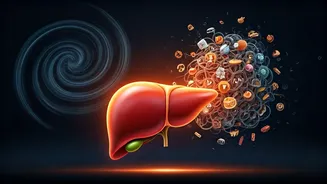







Fitness vs. Vitality
In today's world, where gym selfies and performance metrics dominate, 'fit' and 'healthy' are frequently used interchangeably. However, experts emphasize
that these terms represent distinct concepts, and conflating them can lead to a skewed understanding of overall well-being. Fitness primarily concerns your body's physical capabilities – its capacity to perform activities, exercise, and move without succumbing to exhaustion. It’s about visible and measurable attributes like strength, endurance, and flexibility. A person who excels at marathon running or can lift heavy weights is typically considered fit. Yet, this physical prowess doesn't automatically equate to optimal internal health. As medical professionals point out, an intensely trained individual might possess a sculpted physique but could be experiencing hormonal imbalances, elevated stress, or a compromised immune system due to extreme regimens or restrictive diets.
Holistic Health Defined
True health extends far beyond the confines of a gym or athletic performance. It's a comprehensive state encompassing not just physical vitality, but also mental, emotional, and social well-being. According to health experts, a genuinely healthy individual cultivates balanced nutrition, ensures sufficient sleep, maintains emotional equilibrium, and experiences proper functioning of bodily systems, from digestion to immunity. This means you can be healthy without necessarily displaying an overtly athletic build. If your body's internal mechanisms are operating smoothly and you feel consistently energetic and balanced, you are indeed healthy. This perspective aligns with the World Health Organization's definition, which underscores complete physical, mental, and social well-being. Consequently, someone who prioritizes nutritious food, effectively manages stress, gets adequate rest, and engages in moderate physical activity might achieve better long-term health outcomes than an individual relentlessly pursuing extreme fitness goals.
Bridging the Gap
The divergence between appearing fit and actually being healthy is a common, yet often overlooked, issue. Many individuals might adhere to rigorous exercise routines but neglect crucial aspects like sleep, rely on overly restrictive diets, or endure chronic stress, all of which can silently undermine their internal health. Conversely, a person who doesn't conform to conventional fitness aesthetics can still possess excellent metabolic health and resilience. This overlap frequently breeds confusion. While fitness activities are beneficial for overall health, pushing the body to its absolute limits in pursuit of physical perfection can be counterproductive. Similarly, prioritizing only the feeling of 'feeling good' without incorporating physical activity can eventually diminish functional fitness over time. Ultimately, experts advocate for a balanced approach, recognizing that true wellness is about how your body functions and feels daily, rather than solely how it looks.
The Path to Balance
Achieving genuine well-being necessitates finding harmony between fitness and health. The ultimate aspiration isn't to choose between being fit or healthy, but to cultivate a lifestyle where these two dimensions complement each other synergistically. This sustainable approach integrates intelligent physical activity with sound nutrition, restorative sleep, and dedicated mental well-being practices. While a visually impressive physique might capture attention, it's a robust and healthy body that truly sustains life and allows for longevity and quality of experience. Therefore, the focus should shift from chasing superficial fitness markers to building a foundation of holistic health that supports enduring vitality and a vibrant life.