







A Fruity Rental Idea
As the Indian summer approaches, mangoes are a quintessential part of daily life, usually discussed in terms of their taste, cost, and variety. However,
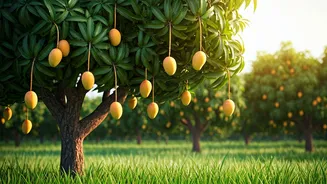
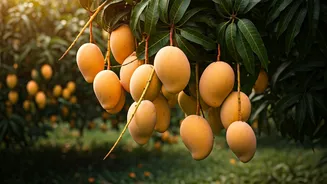
a new trend is emerging that goes beyond simple purchasing. This innovative model allows individuals to establish a connection with a specific mango tree for the entire fruiting season, offering a unique way to experience this beloved fruit. Instead of buying mangoes from a vendor, consumers can now opt to lease an entire tree, ensuring a consistent and generous supply of fresh produce throughout the summer months.
Leasing Your Tree
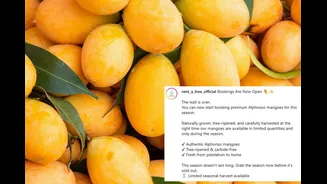
A startup based in Kochi has introduced a service that allows customers to rent a mango tree for a single season. The process is designed for convenience and ease of access. Interested individuals can visit a website, browse through a selection of trees located in various orchards, and then choose the one that appeals to them. According to reports, the initial investment for this unique service begins at approximately ₹10,300. In exchange for this fee, the customer is entitled to all the mangoes produced by their chosen tree during that season. The total yield can be substantial, potentially reaching up to 90 kilograms, depending on the tree's natural productivity for the year.
Orchard to Home
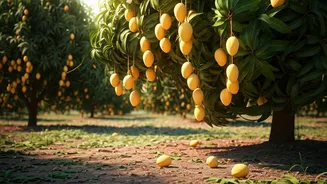
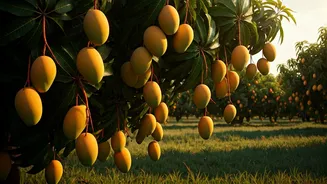
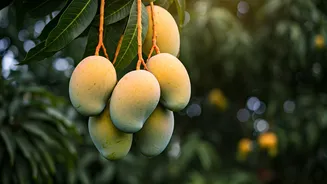
The mango trees available through this service are situated in renowned mango-growing regions across India, including states like Maharashtra, Tamil Nadu, and Kerala. Farmers are responsible for all aspects of the tree's care, from nurturing its growth to the final harvest. The mangoes are permitted to ripen naturally on the branches, ensuring optimal flavor and quality. Once the fruit is ready, it is carefully packed and delivered directly to the customer's home. This entire farm-to-table process is managed seamlessly, eliminating the need for the customer to ever visit the orchard themselves.
Community Reactions
This concept has garnered significant attention primarily because it deviates from the conventional method of acquiring fruit. One delighted user expressed their surprise and satisfaction, stating that the idea of owning a mango tree in Kerala while residing in a Mumbai apartment felt like a novel status symbol. Another commenter highlighted the broader implications of the initiative, describing it as a brilliant illustration of how simple ideas can foster a stronger connection between people, nature, and agriculture. This model provides urban consumers with access to fresh, seasonal produce, while simultaneously offering farmers a stable income stream, shielded from market price volatility. Furthermore, such ventures have the potential to support the preservation of local orchards and promote sustainable agricultural practices. If successfully scaled, initiatives like 'Rent A Tree' could fundamentally alter our perceptions of food ownership and the logistics of farm-to-home supply chains.