






New Travel Restrictions
The United States government has announced alterations to its travel policies, implementing stricter rules for entry. The changes include adding five more
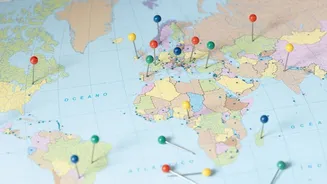
countries to the travel ban, meaning their citizens will face significant hurdles when attempting to enter the US. Furthermore, fifteen other nations are now subject to partially restricted entry, implying that their citizens may encounter specific limitations or require additional scrutiny during the application process. These recent actions demonstrate the US government's ongoing efforts to control and manage the flow of people across its borders, reflecting a desire to strengthen national security and enforce existing immigration protocols. The specific details of the restrictions, like which countries are affected and what limitations exist, offer a more in-depth understanding of the updated measures.
Impacted Countries
The updated travel restrictions imposed by the US government encompass a specific group of countries that are now subjected to the new regulations. Five additional nations have been added to the full travel ban, effectively preventing their citizens from entering the United States unless they meet specific, and often challenging, exemption criteria. Alongside the complete ban, the government has also introduced partial restrictions on fifteen other countries. This could involve enhanced screening processes, the need for additional documentation, or limitations on the types of visas that can be issued. The affected countries will vary in terms of their relationships with the United States. This will likely affect travel for tourism, education, business and family-related purposes. Understanding which nations are impacted allows individuals, businesses, and government entities to adjust plans. Further details will likely be released by the US government to clarify the situation.
Understanding the Changes
These revisions to the travel policies highlight a strategic recalibration of border security. The introduction of these restrictions signifies a dedication to scrutinizing entry requirements. Full travel bans often apply to countries where security concerns, potential for terrorism, or other risks are identified. Partial restrictions are frequently put in place to manage specific vulnerabilities and tailor the entry process. Travellers from affected nations will need to familiarize themselves with the new criteria. Potential applicants should thoroughly review any guidelines, ensuring compliance with documentation and eligibility requirements. They might also need to be prepared for enhanced scrutiny during visa applications or border inspections. The US government's changes are driven by an assessment of risk, a commitment to national security, and efforts to adapt to evolving global circumstances.
Traveler Implications
The altered travel rules will certainly create challenges for individuals, businesses, and organizations that have connections with the affected countries. The restrictions might lead to increased travel costs, delays, and a more complex process for obtaining visas. For those impacted by full travel bans, the hurdles to entry may be considerable, possibly resulting in restricted travel to the US. Travelers might need to prepare alternative plans or delay trips. Individuals with existing visa applications or travel plans must stay informed about the new regulations and potential effects. Businesses could experience disrupted operations, particularly if they have a workforce that includes people from the restricted nations or have established partnerships there. Universities and educational institutions will likely encounter hurdles with international student recruitment and program enrollment. Staying updated through official government resources is vital to navigating these changes successfully.