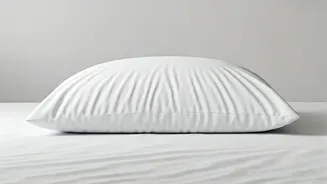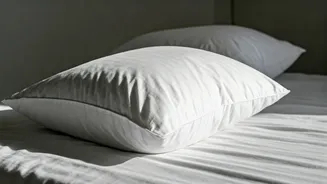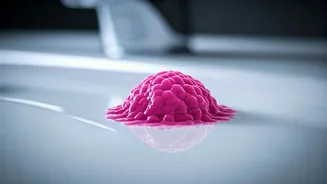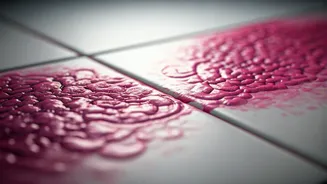




Hidden Pillow Grime
Though your pillow may appear pristine nestled within a fresh pillowcase, its surface cleanliness can be deceiving. Over time, pillows absorb a considerable
amount of bodily substances, including sweat, natural oils, and even minuscule skin cells. Without conscious awareness, these accumulate, gradually diminishing the pillow's initial freshness and contributing to a less-than-ideal sleeping environment. While frequently changing pillowcases is a good habit, it doesn't resolve the deeper issue of pillow hygiene. The internal structure of the pillow itself requires attention to maintain its softness, loft, and overall sanitary condition, ensuring a truly clean foundation for your rest.
Washing Frequency Guide
The optimal time to wash your pillows generally falls every three to six months. This routine cleaning is essential for eradicating the accumulated dust, oils, and perspiration that embed themselves within the filling. Research indicates that neglected pillows can transform into breeding grounds for bacteria and allergens. Studies have highlighted how bedding materials, particularly in warm and humid climates, can become significant reservoirs for dust mite allergens. For individuals who experience excessive night sweating, suffer from allergies, or share their sleeping space with pets, a more frequent washing schedule of every two to three months is strongly recommended. Paying close attention to your pillow's feel and scent over time can also serve as a reliable indicator for when it's due for a wash.
Pillowcase vs. Pillow
While the importance of clean pillowcases is widely acknowledged, often overlooked is the need to clean the pillow itself. It's advisable to launder your pillowcases weekly, as the American Academy of Dermatology suggests that the dirt, oils, and germs on textiles in contact with the skin can exacerbate skin issues like acne and irritation. Regularly cleaning pillowcases helps prevent impurities from migrating deeper into the pillow's core. However, this weekly ritual only addresses the outermost layer; the pillow's internal components still require periodic deep cleaning to maintain overall hygiene and prevent the build-up of unseen contaminants that can compromise your sleep quality.
Care by Filling Type
The material composition of your pillow significantly dictates the most effective cleaning method. Down and microfiber pillows are generally the most accommodating for machine washing; a gentle cycle with a mild detergent usually suffices. To ensure balanced cleaning and prevent machine imbalance, washing two pillows simultaneously is often recommended. Conversely, pillows filled with materials like memory foam or latex require a more delicate approach. These types tend to absorb moisture readily and may lose their shape if fully submerged. For these, spot cleaning with slightly soapy water and a soft cloth is the preferred method. Patience is key, and thorough drying is paramount to prevent any distortion or long-term damage to their structure.
Drying and Longevity
Proper drying after washing is just as crucial as the cleaning process itself, as residual moisture can foster mold growth. Whenever feasible, air-drying your pillow in direct sunlight offers the most effective and natural drying solution. If using a dryer, opt for a gentle heat setting and allow ample time for the pillow to dry completely. Beyond cleaning, pillows have a finite lifespan. Most experts recommend replacing pillows every one to two years, depending on their usage and the quality of the material. A simple test to gauge a pillow's condition is to fold it in half and see if it retains its shape upon release; if it doesn't bounce back, it's likely time for a replacement. Older pillows can harbor allergens that are difficult to eliminate entirely, potentially impacting respiratory comfort and sleep quality.