






Understanding Biotin's Role
Biotin, a vital B vitamin, plays a crucial role in how our bodies process essential nutrients like proteins, fats, and sugars, converting them into energy.
While biotin deficiency can manifest as brittle nails and hair, it's important to note that current research indicates a lack of substantial evidence supporting biotin supplementation for improving hair, skin, or nail health in individuals who do not have a pre-existing deficiency. Most individuals obtain sufficient biotin through their regular diet, which includes foods like fish, eggs, nuts, and sweet potatoes, making deficiency quite rare. However, certain circumstances such as pregnancy, breastfeeding, alcohol use disorder, or a specific genetic condition known as biotinidase deficiency can increase the risk of not getting enough biotin. It's crucial to consult a healthcare professional to determine your individual needs.
Choosing the Right Supplement
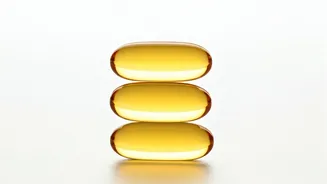
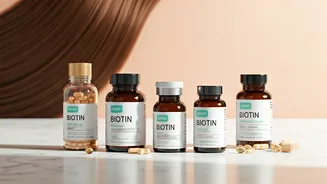
When selecting a biotin supplement, prioritizing quality and trustworthiness is paramount. Look for products manufactured in facilities that adhere to Current Good Manufacturing Practices (CGMP), ensuring a consistent and high-quality production process. Furthermore, third-party testing by independent laboratories provides an extra layer of assurance, verifying the supplement's purity, potency, and accuracy of its label claims. Consider the form of the supplement – whether it's a softgel, gummy, powder, or liquid – and choose the one that best fits your daily routine and preferences. If your goal is solely to enhance hair, skin, or nail quality, opt for supplements formulated with additional ingredients known to support these areas. Always be mindful of any allergies or dietary restrictions, as many brands offer specialized options like organic or vegan formulations. It's essential to remember that while supplements can be helpful, a balanced diet typically provides sufficient biotin for most people.
Top Biotin Selections
For those seeking a liquid option, a berry-flavored, sugar-free liquid biotin stands out, offering a high dose of 33,333% of the Daily Value (DV) per serving, suitable for vegetarians, non-GMO, and gluten-free. It's produced in a CGMP facility but isn't third-party tested, and some users report taste or texture issues. In the softgel category, a USP-verified option provides 3,333% of the DV per softgel at an affordable price, available widely, though it contains some processed additives. For a powder format focusing on hair health, a blend containing 10,000 mcg of biotin alongside collagen peptides and other nutrients may be beneficial, produced in a CGMP facility with positive reviews but not third-party tested. Another powder option, designed for beauty and gut health, features a lower dose of biotin (1,667% DV) combined with collagen, hyaluronic acid, and vitamins C and E, praised by users for skin benefits but also not third-party tested. For a certified organic, vegan, and gluten-free tablet, one option provides 2,500 mcg (8,333% DV) along with other botanicals, though it's not third-party tested for purity. A softgel formulation specifically for hair health offers a substantial 10,000% DV of biotin, plus other hair-boosting ingredients like keratin and zinc, and is third-party tested but not suitable for vegans. High-dose capsules deliver 6,000 mcg (20,000% DV) with added silica, collagen, and CoQ10, undergoing extensive third-party testing, making them non-GMO and gluten-free but unsuitable for vegetarians. Gummy enthusiasts can find a gluten-free option providing 2,500 mcg (8,333% DV) of biotin with vitamin C, tested by NSF, but containing added sugar and not vegan-friendly. Another vegan-friendly, gluten-free, and hypoallergenic option comes in capsules with a very high dose of 8,000 mcg (26,667% DV), which is third-party tested but has had some reports of side effects. Lastly, mini tablets offering a high dose of 10,000 mcg (33,333% DV) are a soy-free, gluten-free, and vegan-friendly choice, available in large quantities, though they aren't independently third-party tested.
Potential Benefits & Concerns
While biotin is essential for energy metabolism, its purported benefits for hair, skin, and nail health in individuals without a deficiency lack robust scientific backing. Some users report minor side effects like skin rashes or digestive discomfort, though this isn't widely documented in research. A significant concern is biotin's potential to interfere with certain laboratory tests, leading to inaccurate readings of thyroid hormone levels, vitamin D, or other crucial markers. This interference could potentially result in misdiagnoses, emphasizing the importance of informing your healthcare provider about your biotin supplement use before any medical testing. High doses, while generally not considered toxic, can still skew results, and it's advisable to discontinue use for at least 48 hours prior to blood work, as advised by healthcare professionals. Additionally, biotin supplements may interact with anticonvulsant medications, making a pre-supplementation consultation with a doctor essential.