






Source and Composition
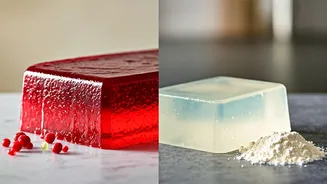
Gelatine, derived from animal collagen, offers a unique melt-in-the-mouth quality. In contrast, agar agar, a plant-based derivative from red algae, provides
a firmer, more stable set. This fundamental difference in origin dictates their suitability for various recipes and dietary needs. Gelatine's animal source can be a consideration for vegetarians and those with specific religious dietary restrictions, though alternatives exist. Agar agar, being vegetarian-friendly, is widely accepted and often the preferred choice in many households, especially in India, due to its versatility and ease of use across diverse culinary traditions.
Texture and Mouthfeel
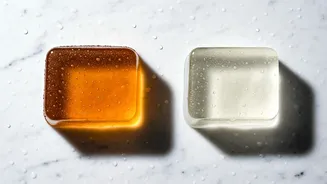
The most significant divergence between gelatine and agar agar lies in the texture they impart. Gelatine, particularly in lower concentrations, creates a soft, yielding gel that melts beautifully at body temperature, enhancing flavour perception. With higher ratios, it can achieve a more elastic, chewy consistency. Agar agar, however, consistently produces a firmer, more brittle gel. This means agar-set foods tend to break cleanly rather than melt away, offering a distinct mouthfeel. For instance, a mousse set with gelatine offers a creamy dissolution, whereas an agar-set jelly will slice with a satisfying, slight grain. The choice directly influences whether your dessert is a delicate indulgence or a structured delight.
Stability and Heat Tolerance
A crucial differentiator for many cooks, especially in warmer climates like India, is the stability of desserts made with these gelling agents. Agar agar boasts a higher melting point, allowing dishes to remain stable at room temperature, even during hot summer days. This makes it an ideal choice for buffets, outdoor gatherings, or any scenario where refrigeration is not continuously available. Gelatine, with its lower melting point, requires constant refrigeration to maintain its structure; otherwise, it can slowly liquefy, turning a beautifully set dessert into an unappetizing puddle. Traditional Indian sweets often leverage agar agar's heat stability for their enduring appeal.
Culinary Applications
Gelatine excels in recipes where a soft, delicate, and melt-in-your-mouth texture is paramount. Think of ethereal mousses, luxurious panna cotta, smooth bavarois, and glossy mirror glazes. It's also the key ingredient for achieving the characteristic chewiness in marshmallows and gummy candies. Agar agar, conversely, is the go-to for recipes demanding a firm, sliceable set. This includes crisp fruit jellies, layered desserts where distinct sections are desired, and vegan alternatives to dairy-based classics. Its robustness also makes it suitable for savoury applications like thickening soups and sauces, although this is less common in home cooking. For traditional Indian desserts like falooda jelly or coconut milk puddings, agar agar ensures a clean, stable result.
Substitution Challenges
Substituting gelatine for agar agar, or vice versa, is not a straightforward 1:1 conversion due to their differing gelling strengths and activation methods. Agar is significantly more potent, typically requiring about one-third the amount of gelatine. For example, 1 teaspoon of agar powder might replace 1 tablespoon of gelatine. Furthermore, agar must be boiled to activate its gelling properties and sets as it cools, whereas gelatine needs gentle heating after blooming in cold water and gels upon cooling. Acidic ingredients can also interfere with agar's setting ability, potentially requiring adjustments to the recipe. Careful consideration of these factors is essential for successful substitutions.
Forms and Practical Use
Agar agar is commercially available in several forms, including powder, strands (often called China grass in India), flakes, and bars. While powder offers ease of measurement and consistent dissolving, strands require soaking and boiling and can sometimes yield less predictable results. The gelling strength of agar can also vary between brands and batches due to natural factors affecting seaweed harvests. Therefore, when experimenting with agar, it's advisable to start with a smaller amount and gradually increase if a firmer set is needed, rather than overdoing it initially, as correcting an overly firm agar gel can be challenging.