




Understanding Coconut Butter
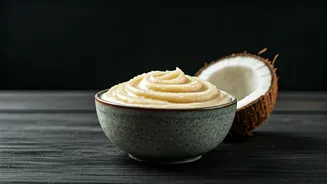
Coconut butter is a delightful, thick spread derived from the complete blending of dried coconut meat. Unlike coconut oil, which is solely the extracted
fat, coconut butter encompasses the entire coconut flesh. This integral inclusion means it retains the coconut's natural fiber, contributing to its richer texture and more comprehensive nutrient profile. Its taste is a harmonious blend of sweet coconut and a consistency reminiscent of traditional nut butters, making it a uniquely satisfying culinary ingredient. It's a versatile addition, easily incorporated into a vast array of dishes, from simple spreads on toast to sophisticated additions in baked goods, smoothies, and even savory sauces. The homemade version requires just one ingredient and a bit of processing time, offering a pure, unadulterated spread.
Nutritional Powerhouse Revealed
Coconut butter is a treasure trove of beneficial nutrients, primarily comprising healthy fats, including medium-chain triglycerides (MCTs), and dietary fiber. While energy-dense, with approximately 110 calories and 10 grams of fat per tablespoon, it also offers small but significant amounts of minerals like iron and calcium. Its carbohydrate content is low, around 4 grams per serving, with 2 grams coming from fiber. Protein content is modest at 1 gram. The natural sweetness is minimal, with only 1 gram of sugar per tablespoon, and it contains a negligible amount of sodium (5mg). Its composition makes it a valuable addition to a balanced diet, best consumed in moderation to harness its benefits without overconsumption of calories and fat.
Crafting Your Own Spread
Creating your own coconut butter is remarkably straightforward, requiring only unsweetened shredded coconut or coconut flakes and a food processor or high-powered blender. The process involves simply blending the coconut for about 10 to 20 minutes, pausing occasionally to scrape down the sides. As the oils are released from the coconut, the mixture will transform from a finely shredded texture into a smooth, thick, and creamy spread, similar in consistency to nut butter. Once prepared, store it in a sealed container at room temperature for several months. If it solidifies in cooler temperatures, a gentle warming will restore its spreadable quality, making homemade coconut butter a readily accessible and fresh ingredient for any culinary use.
Health Benefits Unpacked
The benefits of incorporating coconut butter into your diet are extensive. Its MCT content may aid in weight management by promoting satiety and energy expenditure. The lauric acid present is converted into monolaurin, known for its potent antimicrobial and immune-boosting properties, helping combat harmful bacteria and viruses. This antibacterial power extends to supporting a healthy gut microbiome, while the fiber aids regular digestion. Furthermore, the healthy fats can help combat inflammation by reducing key inflammatory markers like C-reactive protein. Athletes may find it beneficial for sustained energy due to the rapid metabolism of MCTs. Beyond internal health, coconut butter can enhance hair shine and protect skin by improving hydration and reducing moisture loss.
Enhancing Athletic Performance
For those engaged in physical activities, coconut butter can serve as a valuable energy source. The medium-chain triglycerides (MCTs) it contains are rapidly absorbed by the body and directly transported to the liver. Here, they are efficiently converted into ketones, which provide a quick and accessible form of energy. This metabolic pathway is distinct from longer-chain fatty acids, which are stored more readily as fat. Research indicates that MCTs can increase post-meal energy expenditure, making them an attractive option for athletes seeking to support endurance and maintain sustained energy levels during prolonged exercise or demanding training sessions.
Nourishing Hair and Skin
Coconut butter's beneficial properties extend to external applications, particularly for hair and skin care. Much like coconut oil, it can act as a fantastic hair mask, promoting hair growth, combating dandruff, and serving as an effective conditioner. The lipids within coconut butter can penetrate the hair shaft, reducing protein loss and thereby enhancing shine, smoothness, and overall strength. Its readily absorbed nature also means it can help mitigate the damaging effects of free radicals on hair. Similarly, for skin, coconut-derived fats help fortify the skin barrier and prevent moisture loss. Studies suggest topical coconut oil, which shares many fatty acids with coconut butter, can alleviate symptoms of dry skin and atopic dermatitis, underscoring the potential benefits for skin health when consumed as part of a balanced diet.
Cognitive and Digestive Support
The MCTs present in coconut butter also play a crucial role in supporting brain health. Once absorbed, these fats are converted into ketones by the liver, offering an alternative fuel source for brain cells. Studies have demonstrated that diets rich in MCTs can elevate circulating ketone levels, which may, in turn, enhance cognitive function and improve brain energy metabolism. For digestive health, coconut butter offers a dual benefit: it provides dietary fiber essential for regular bowel movements and contains antimicrobial fatty acids that can positively influence the gut microbiome. Emerging research suggests these compounds may help regulate gut microbiota and reduce inflammation within the digestive tract, contributing to overall gut well-being.
Moderation and Considerations
While coconut butter offers numerous advantages, mindful consumption is key. Its calorie and fat density means that excessive intake can lead to unintended weight gain if not balanced within a broader healthy diet. It is particularly rich in saturated fat, and while MCTs have demonstrated some metabolic benefits, health organizations generally advise moderating saturated fat intake for cardiovascular well-being. Individuals with pre-existing conditions like high cholesterol or heart concerns should consult a healthcare provider before significantly increasing their consumption. Additionally, consuming large quantities at once might cause digestive discomfort for some, leading to bloating or stomach upset. Caution is also advised when heating coconut butter, as it can burn easily; low heat and vigilance are recommended.