



Decade of Development
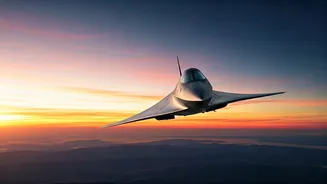
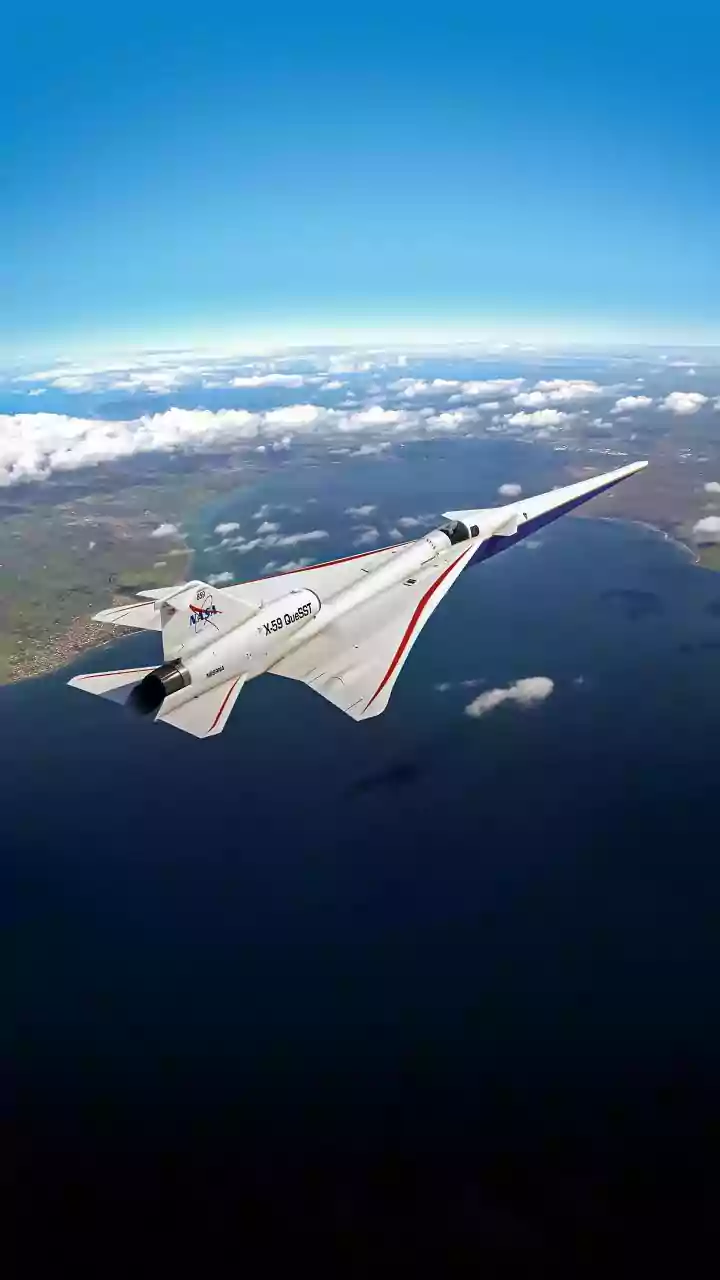
The journey of NASA's X-59, codenamed the Quiet SuperSonic Technology (QueSST) aircraft, has been a decade in the making. Engineers embarked on this ambitious
project over ten years ago with a singular, groundbreaking objective: to enable flight at extremely high speeds without generating the conventional, ear-splitting sonic boom. This innovative jet, developed in collaboration with its manufacturing partner, was finally unveiled to the public in January 2025. Although its initial public reveal came a few years past its original projected timeline, the team has since been diligently working to accelerate its development and testing phases, demonstrating a strong commitment to achieving its ambitious goals. The successful completion of its first subsonic test flight in October of the same year marked a crucial step forward, setting the stage for the extensive testing that has followed.
Mojave Desert Trials
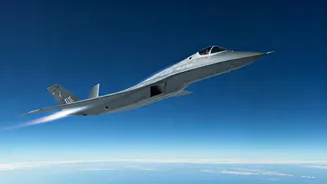
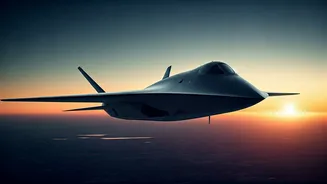
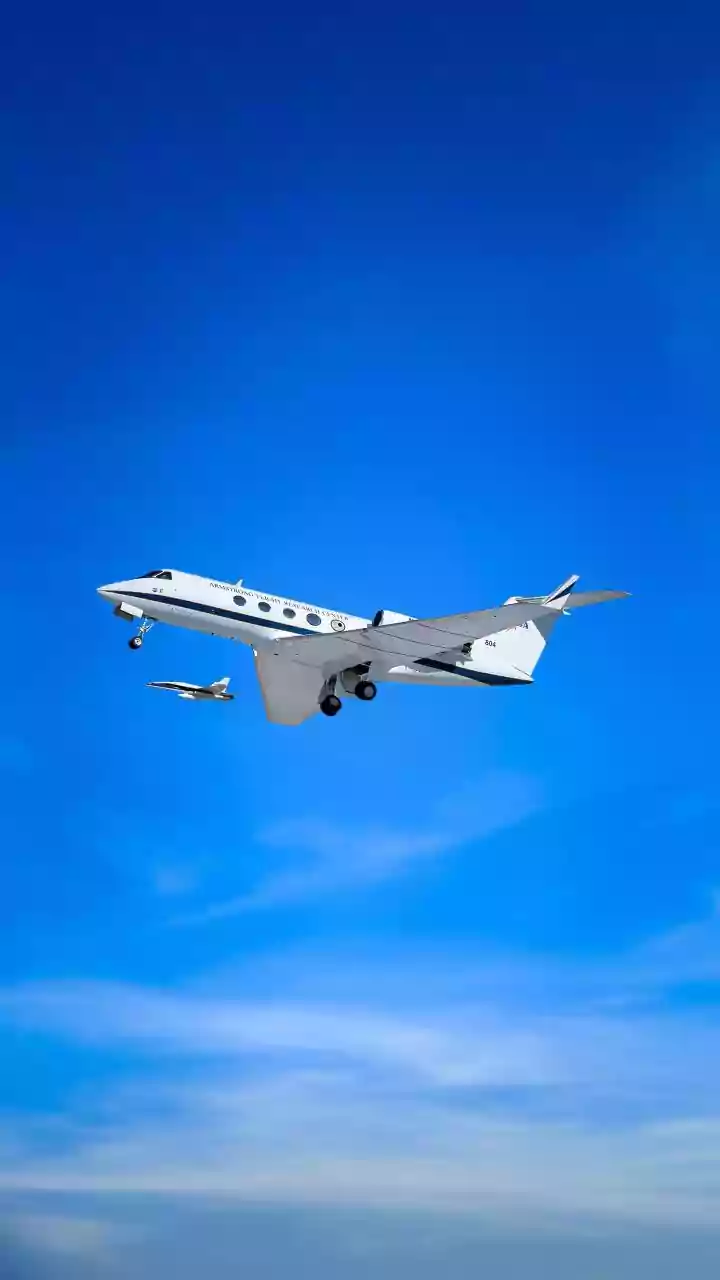
Following its initial subsonic flight, the X-59 has undertaken a series of subsequent flight tests, successfully completing nine more excursions over the vast expanse of the Mojave Desert in California. These flights have been instrumental in showcasing some of the aircraft's most significant achievements to date. The most recent test flight, its tenth, took place on April 14th, once again over the Californian desert landscape. This particular flight was notable for Lockheed's readiness to demonstrate the aircraft's capabilities in a live setting. Observers noted that from the very initial maneuvers, it was evident that the experience of flying within the X-59 would be unlike any other. The dramatic ascents and precise aerial turns, even when viewed from the distance of a screen, underscore the advanced engineering and control systems at play, confirming that the X-59 is making substantial headway in its development program.
Supersonic Ambitions
While this tenth test flight did not quite reach supersonic velocities, the aircraft achieved a speed of approximately 0.95 Mach, which translates to roughly 730 miles per hour. This performance, though just shy of the supersonic threshold, indicates that achieving that major milestone is now within close reach. According to Lockheed, future test flights will continue to evaluate the X-59's performance across a range of speeds and altitudes, including both high-speed and low-speed parameters. The collaborative Lockheed Martin and NASA team plans to swiftly advance towards supersonic speeds. The ultimate objective is to reach the aircraft's designed operating conditions of around 55,000 feet altitude and Mach 1.4 speed, at which point it is expected to produce the very first 'quiet supersonic thump.' This sound is anticipated to be significantly less disruptive than traditional sonic booms.
The Quiet Thump
If the development plan unfolds as projected, the X-59 is expected to ultimately achieve a top speed of about Mach 1.5, equivalent to approximately 990 miles per hour. Its sustained cruising speed is targeted at Mach 1.42, or 940 miles per hour, maintained at an impressive altitude of 55,000 feet. A key objective of the X-59 project is to transform the sonic boom into a much quieter phenomenon, often described as a 'thump.' The projected loudness of this sound is intended to be equivalent to a car door slamming shut, which is estimated to be about 16 times quieter than the notoriously loud sonic booms generated by older supersonic aircraft. While both Lockheed and NASA have long promoted the X-59 as the potential vehicle to reintroduce supersonic commercial air travel to the public, it's also acknowledged that the military may have alternative applications for this next-generation aircraft, though details on those plans are not expected anytime soon.