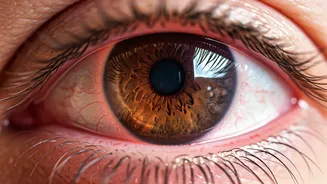

Unpacking Red Eyes
Red eyes, frequently caused by blood vessels expanding on the eye's surface, can result from diverse factors. These include both environmental irritants
and underlying health problems. The most common reasons are allergy flare-ups, which can lead to itchy and watery eyes. Dry air, whether from air conditioning or heaters, can also strip the eyes of moisture, causing redness. Furthermore, viral or bacterial conjunctivitis (pinkeye) are frequent culprits, often accompanied by discharge and discomfort. More seriously, subconjunctival hemorrhage—a burst blood vessel—may cause a sudden, startling red appearance, although it's usually painless and resolves itself within a couple of weeks. Recognizing the specific trigger is vital for effective management. If redness is linked with pain, vision changes, or sensitivity to light, seeking prompt medical assessment becomes essential to rule out more serious ailments.
Addressing Dry Eyes
Dry eyes, characterised by insufficient lubrication, can stem from various sources impacting tear production or quality. Factors like extended screen time, which decreases the blink rate, or environmental conditions, such as wind or low humidity, can worsen dry eye symptoms. Certain medications, including antihistamines and antidepressants, may also contribute by diminishing tear production. Ageing is another significant element, as the tear glands naturally produce less lubricant as we get older. Dry eyes frequently manifest as a gritty sensation, blurry vision, and, paradoxically, excessive tearing as the eyes try to compensate. Management strategies vary, often involving artificial tears to hydrate the eyes. Lifestyle adjustments, like taking regular breaks from screens and utilising a humidifier, can also alleviate symptoms. If symptoms persist or worsen, consulting an eye care professional is crucial to explore other potential treatments, such as prescription eye drops or procedures that promote better tear production.
Causes of Puffy Eyes
Puffy eyes, characterised by swelling around the eyelids, can arise from various factors impacting the delicate tissues surrounding the eyes. One frequent cause is fluid retention, which can happen due to high salt intake, hormonal changes, or sleep deprivation. Allergies also often contribute, triggering inflammation and swelling. Additionally, aging can play a role, as the fat pads beneath the eyes may bulge forward due to weakening tissues. Certain health conditions, like thyroid problems or kidney disease, can also manifest as puffy eyes. Reducing salt intake, getting adequate sleep, and applying cold compresses are commonly employed methods to mitigate puffiness. Identifying and addressing the underlying cause is key, particularly if swelling is persistent or accompanied by other symptoms. Consulting an eye doctor is necessary to identify and treat a potential underlying condition.
When to Seek Help
Distinguishing between minor irritation and serious eye issues is crucial for proactive eye health management. Although several symptoms may appear similar, key indicators dictate the urgency of seeking professional help. Sudden vision changes, significant pain, light sensitivity, and intense redness accompanied by discharge are clear warning signs. These could signify infections, corneal ulcers, or other conditions demanding swift medical attention. Any history of eye injury or exposure to chemicals necessitates immediate evaluation by a healthcare provider. Furthermore, if home remedies provide no relief, or if symptoms escalate, consulting an ophthalmologist becomes indispensable. Early intervention often prevents complications and helps preserve vision. A timely diagnosis and tailored treatment plan are paramount for successful management.
Preventative Measures
Adopting preventive measures is essential for maintaining optimal eye health and minimising eye irritation. Regular eye exams are vital for early detection of potential problems. Ensuring proper hygiene, particularly when dealing with contact lenses, reduces the risk of infections. Protecting eyes from environmental irritants such as sunlight and allergens, by wearing sunglasses and avoiding prolonged exposure to irritants, is also important. Incorporating these habits will promote long-term visual wellness. For those who spend considerable time on digital devices, following the 20-20-20 rule—every 20 minutes, look at something 20 feet away for 20 seconds—can help prevent eye strain and dryness. Practicing these preventive strategies supports healthy eyes and prevents potential complications.