





Iron: Growth Foundation
Iron serves as the essential cornerstone for flourishing hair growth. This vital mineral is crucial for delivering oxygen-rich blood to the hair follicles,
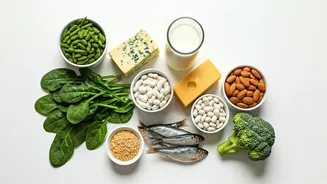
thereby fueling their health. When the body faces an iron deficiency, it could initiate a cascade of problems, with one notable issue being hair loss. Therefore, maintaining adequate iron levels through diet or supplements is paramount. Sources rich in iron include leafy green vegetables like spinach, lean meats such as beef and chicken, and fortified foods. Integrating these into your meals ensures a steady supply of this critical nutrient, supporting the hair's ability to remain healthy and promoting its growth.
Protein: Building Blocks
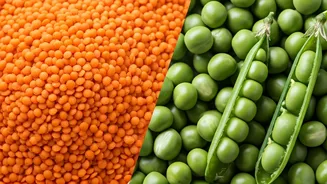
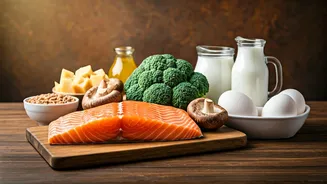
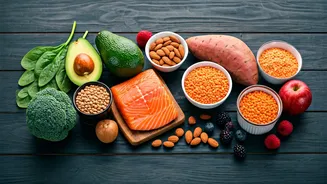
Protein forms the fundamental structural component of hair, making it an indispensable element for hair vitality. The hair shaft, composed primarily of keratin, a type of protein, relies heavily on a sufficient protein supply. When the body does not get enough protein, it can lead to hair becoming weak, brittle, and prone to breakage, which will eventually become hair fall. To sustain strong and resilient hair, it is important to include protein-rich foods in the diet. Some of the best sources include eggs, which are a complete protein source, as well as poultry, fish, and legumes. A balanced intake of protein ensures the hair receives the resources it needs to grow and remain healthy, as protein deficiency could lead to slower growth.
Biotin: Thickness Power
Biotin, also known as vitamin B7, plays a key role in promoting hair thickness and strength. This water-soluble vitamin aids in the production of keratin, a structural protein. Biotin is a key factor in improving the hair's overall health and helping to reduce hair loss. Incorporating biotin into your diet can often lead to improvements in hair texture, making it less prone to breakage and increasing its natural shine. Excellent sources of biotin are eggs, particularly the yolks, nuts like almonds and walnuts, and seeds. Supplementation may also be considered, but it's essential to consult a healthcare professional. Biotin deficiency is rare, but may cause hair thinning.
Vitamin D: Hair Trigger
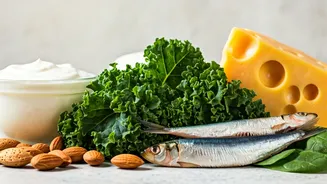
Vitamin D is essential for hair follicle health. It has been closely linked to hair growth cycles. Vitamin D is essential for the anagen phase (growth) of hair, which is crucial for hair fullness. Vitamin D deficiency is often associated with hair loss and may cause other hair-related problems. Ensuring an adequate intake of vitamin D is therefore essential for preserving and encouraging healthy hair. The best way to get enough vitamin D is to get it naturally through sun exposure, and foods such as fatty fish, egg yolks, and fortified foods. Supplementation is an effective alternative if you do not get adequate sun exposure. Vitamin D helps keep hair follicles in good shape to prevent premature hair loss.
Zinc: Follicle Repair
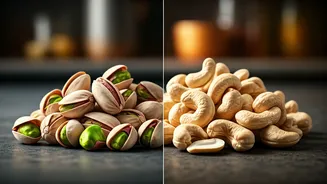
Zinc is a critical element in hair follicle repair. It helps in the regulation of hormones, and in the production of proteins that are essential for hair growth and hair structure. Furthermore, zinc is vital for maintaining the health of the scalp. Zinc insufficiency is associated with hair loss and poor hair quality. Incorporating zinc-rich foods into the diet is essential for hair health. Sources such as meat, seafood, nuts, and seeds are packed with zinc. It plays a significant role in helping to keep hair follicles healthy and preventing hair loss. Zinc is an effective nutrient, and helps with the proper function of oil glands around follicles.
Omega-3: Scalp Health
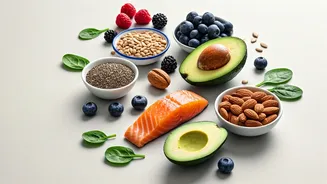
Omega-3 fatty acids are fundamental for maintaining a healthy scalp. These fats contain anti-inflammatory characteristics that assist in soothing the scalp. A healthy scalp is a key factor for healthy hair, promoting an ideal environment for hair growth. Omega-3 fatty acids also nourish the hair from the inside. Consuming omega-3-rich foods can promote shine and smoothness. You can incorporate omega-3 fatty acids by eating fatty fish like salmon, flaxseeds, and chia seeds into your diet. These nutrients work to keep the scalp healthy and to promote the growth of strong, shiny hair. Omega-3 helps to keep the hair in great condition.
Vitamin B12: Prevent Greying
Vitamin B12 is essential for stopping premature greying. It plays a key role in the production of melanin, which is the pigment responsible for hair color. A deficiency in vitamin B12 can lead to a decrease in melanin production, which leads to premature greying. Also, vitamin B12 supports the healthy development of hair follicles. Adding more vitamin B12-rich foods to your diet can help in the prevention of early greying and can keep your hair looking youthful and vibrant. Vitamin B12 can be found in animal products, like meat, fish, eggs, and dairy products. If you are a vegetarian, it is important to add vitamin B12 through supplements or fortified foods.
Copper: Melanin Booster
Copper is essential for boosting melanin, which helps to keep the hair colored. Melanin gives your hair its color and helps keep the pigment in your hair. Copper helps in melanin production and gives your hair its natural shine. Therefore, consuming foods high in copper can promote the overall health of your hair, helping to reduce early greying and improve the appearance of the hair. You can add copper by eating foods such as nuts, seeds, and organ meats. Including copper-rich foods will promote the hair's overall health and may help to stop the premature greying of the hair.
Vitamin E: Circulation, Shine
Vitamin E is a potent antioxidant that supports healthy circulation to the scalp. It works to protect the hair from harm caused by free radicals. This improves the scalp and hair health, while also providing luster. Vitamin E has beneficial effects, and is responsible for improved hair growth and promoting shine, helping your hair appear healthier and more radiant. For healthier hair, you can include vitamin E-rich foods such as nuts, seeds, and leafy green vegetables into your diet. This will improve the condition and appearance of your hair. Taking vitamin E supplements can be beneficial, but it's best to consult with a professional.