







Shipboard Health Crisis
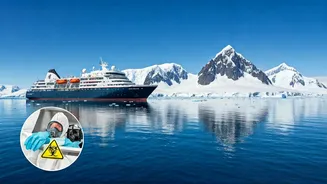
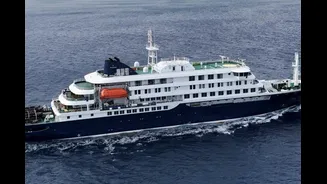
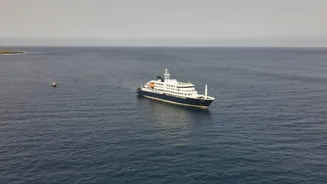
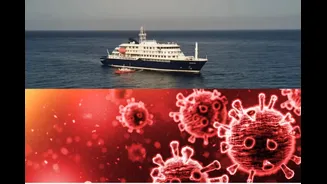
The MV Hondius, a vessel operated by Oceanwide Expeditions, found itself at the center of a grave health crisis while en route to Antarctica and remote
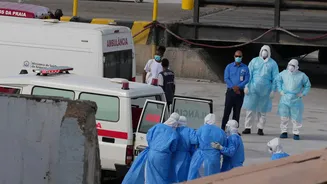
South Atlantic islands. Departing Argentina on April 1, the ship carried approximately 150 individuals, both passengers and crew, when a severe hantavirus outbreak occurred. This outbreak tragically claimed the lives of three individuals and left four others suffering from the illness. The World Health Organization (WHO) officially reported seven cases in total: three confirmed fatalities, one passenger in critical condition who had been medically evacuated, and three individuals on board experiencing milder symptoms. The ship was subsequently anchored off the coast of Cape Verde, awaiting the medical evacuation of three individuals before continuing its journey to Spain’s Canary Islands, a voyage estimated to take around three days.
WHO's Alert and Cases
The World Health Organization (WHO) was alerted to a concerning cluster of respiratory issues among passengers aboard the MV Hondius. Dr. Tedros Adhanom Ghebreyesus, the WHO chief, confirmed the notification, which was received on the preceding Saturday. He elaborated that a total of eight cases had been reported, including the three confirmed deaths. Of these, five cases were positively identified as hantavirus infections, while the remaining three were considered suspected cases. This initial report underscores the severity of the situation and the swift action required by international health authorities to manage and understand the spread of the virus.
Passenger Reactions and Morale
Despite the frightening circumstances, passengers aboard the MV Hondius largely maintained a sense of calm and resilience. Qasem Elhato, a passenger, described the atmosphere as remarkably normal, with individuals occupied with reading, watching movies, and enjoying hot beverages while awaiting a resolution. He emphasized that morale remained high, a testament to the passengers' collective spirit. Another passenger, Helene Goessaert, highlighted the shared experience, noting that everyone was 'in the same boat, literally,' and acknowledged the unexpected nature of such a health emergency. She also praised the consistent and accurate communication from the ship's management, which provided crucial updates and even delivered fresh provisions, such as fruits and vegetables, significantly boosting well-being during the period of uncertainty and waiting.
Tracing the Infections
The identified cases painted a grim picture of the hantavirus's impact. The first recorded death was a Dutch man, whose remains were disembarked at St. Helena on April 11. His wife tragically succumbed to the virus subsequently, collapsing at Johannesburg airport and passing away in a hospital on April 26. A British man, critically ill, was evacuated to South Africa and placed in intensive care. Further testing confirmed two additional cases of hantavirus infection among the passengers and crew. These individual tragedies underscore the potent nature of the virus and the critical need for swift medical intervention and containment strategies.
Understanding Hantavirus Transmission
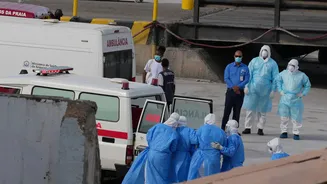
Hantavirus, a group of viruses typically spread through the inhalation of contaminated rodent droppings, does not commonly transmit from person to person. However, health officials acknowledged the possibility of human-to-human transmission in this specific outbreak. Dr. Maria Van Kerkhove, the WHO's director of epidemic and pandemic preparedness, indicated that investigations were underway to determine if such transmission had occurred. It is believed that the initial infection likely took place before boarding the vessel, as there were no reported sightings of rats onboard. Cape Verdean authorities deployed medical teams as a precautionary measure, while South Africa initiated contact tracing efforts to monitor potential exposures. Health officials maintained that the overall risk of a widespread public health threat remained low.