




The Enduring Appeal
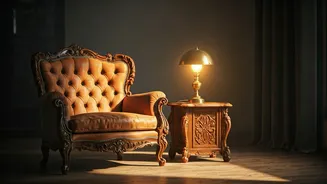
In contemporary India, a noticeable shift is underway as discerning homeowners and luxury interior designers increasingly gravitate towards vintage furniture.
This move signifies a departure from the ephemeral nature of mass-produced, contemporary pieces, favoring instead items that possess a rich history and enduring quality. The growing appreciation for interiors that narrate tales of the past, showcase exceptional craftsmanship, and imbue spaces with distinctive character is transforming how luxury homes and professional environments are curated. This sentiment resonates deeply within Indian culture, where the tradition of preserving heirlooms like jewelry, textiles, and art across generations is well-established. Furniture is now being recognized as an equally significant component of this legacy, with a preference emerging for classic, vintage designs that can be lovingly restored and passed down, embodying a sustainable approach to home furnishing. The emphasis is clearly moving from transient trends to enduring style, valuing pieces that promise longevity and timeless appeal over fleeting fads.
Built to Endure
The remarkable durability of vintage furniture stems from the superior quality of the timber used in its construction. Often sourced from naturally grown, undisturbed forests, the wood boasts dense fibers and tight grain patterns, a direct result of slow, natural growth over periods spanning one to three centuries. This inherent density renders the wood exceptionally resistant to common issues like termites and decay. Furthermore, these aged timbers have undergone numerous natural cycles of expansion and contraction due to varying humidity and temperature, which paradoxically strengthens the wood over time. For collectors and homeowners, this translates into a confident investment in pieces that are not merely decorative but are built to withstand the test of time, offering a tangible assurance of generational longevity rather than the inevitable replacement cycle associated with modern furniture.
Stories in Wood
Each piece of antique furniture serves as a vessel, carrying with it a unique narrative and an inimitable character. A meticulously hand-carved cabinet, a robust teakwood chest, or an elegant rosewood desk doesn't just occupy space; it evokes the essence and artistry of the era in which it was meticulously crafted. The sophisticated joinery techniques and artisanal skills prevalent in bygone eras are seldom replicated today. When individuals incorporate these historical artifacts into their living or working environments, they are not just acquiring furniture; they are actively participating in a continuum of history and craft. This act of bringing older, story-rich pieces into modern settings enriches the space with a depth and authenticity that mass-produced items simply cannot match, creating a richer, more layered aesthetic.
Unrivaled Individuality
While contemporary furniture manufacturing often prioritizes uniformity and replication, vintage pieces exude an undeniable individuality. Even minor imperfections, such as slight variations in carving, subtle shifts in wood grain, or the gentle patina of age and use, contribute to their distinctiveness. These anomalies are not flaws but rather markers of authenticity, imbuing each item with a unique personality. An antique console table or a camphor chest, for instance, can introduce an element of warmth, character, and visual interest that breaks the monotony of otherwise sleek and predictable modern interiors, offering a soulful contrast and a touch of inimitable charm that elevates the overall ambiance.
Sustainable Choice
Increasingly, consumers are becoming more mindful of the environmental impact of their purchasing decisions. The prevalence of 'fast furniture' – inexpensive, quickly manufactured items that are often discarded within a few years – contributes significantly to landfill waste and places immense pressure on virgin resources. Opting for antique furniture presents a compelling sustainable alternative. By choosing pre-loved pieces, individuals reduce the demand for new timber extraction and lessen the carbon footprint associated with new manufacturing processes. For many enthusiasts, sustainability is not merely a buzzword but a conscious and practical choice aimed at preserving resources for future generations and minimizing environmental harm.
Financial Wisdom
From an economic perspective, vintage furniture offers a different value proposition compared to new items. While newly purchased furniture depreciates the moment it leaves the showroom, a well-preserved antique piece can retain its value or even appreciate over time. The financial worth of an antique is influenced by several factors, including its rarity, the quality of its craftsmanship, prevailing market demand, and most importantly, its condition. This dual appeal—aesthetic beauty combined with potential financial growth—is highly attractive to collectors. A carefully selected 19th-century cabinet, a decorative showcase, or an early handcrafted dining set is not just an addition to home decor; it becomes a tangible asset that holds both intrinsic and potential monetary value for years to come.
Heirloom Legacy
The concept of passing down possessions through generations is deeply ingrained in Indian culture, with jewelry, textiles, and silverware long cherished as family legacies. Furniture is now steadily joining this esteemed tradition. An increasing number of individuals are seeking out pieces that can be cherished and used for decades, integrating them into their homes as enduring elements rather than disposable decor. This evolving mindset embraces furniture as part of a family's ongoing story, emphasizing a connection to the past and a commitment to preserving quality and sentiment for future generations, fostering a more meaningful relationship with one's living space.
Grandmillennial Vibes
A contemporary trend, termed 'grandmillennial' style, is captivating younger homeowners who aspire to infuse their modern living spaces with the warmth and character of older homes. This aesthetic blends clean, contemporary layouts with carefully chosen pieces that evoke a sense of nostalgia and belonging. Hand-carved wooden cabinets, reclaimed shelving, vintage mirrors, and heirloom textiles are strategically placed within modern interiors, creating a familiar and inviting atmosphere. Having grown up with furniture passed down through generations—think ornate wooden cupboards and intricately carved beds—urban Indians often find that incorporating antique elements into their current apartments feels like reconnecting with cherished memories, making their spaces both deeply personal and vibrantly alive.
Savvy Buying Tips
The art of acquiring vintage furniture requires a discerning eye and a foundational understanding of what to look for. It's crucial to avoid purchasing solely based on age; instead, focus on the structural integrity and condition of the piece. Begin by assessing its stability: check if the legs are firm, drawers operate smoothly, and joints are sound, neither excessively loose nor overly tight. Minor signs of wear are acceptable and often add character, but significant structural weaknesses can lead to costly repairs. Pay close attention to the wood type; older timbers typically exhibit tight grains and a noticeable heft. Inspect thoroughly for any signs of active termite infestation or significant cracks. While restoration is not a deterrent, ensure it has been performed skillfully and hasn't been used to mask underlying faults. Investigating the provenance or background of a piece, if possible, can add value, and any accompanying documentation like bills or previous records is beneficial. Ultimately, prioritize a genuine structure and condition over superficial finishes; a sound foundation and clear history are paramount.