




The Cooking Conundrum
The current landscape of cooking fuels in India, particularly concerning LPG, has prompted many households to re-evaluate their traditional kitchen choices.
For years, LPG cylinders have been the dominant and most familiar cooking source. However, escalating prices, inconsistent delivery schedules, and general uncertainty are now pushing consumers to explore alternative methods already integrated into their homes. This exploration leads to a crucial question: among LPG cylinders, induction cooktops, electric stoves, and piped natural gas (PNG), which cooking method genuinely proves to be the most economical? To provide a clear and practical answer, we'll analyze the approximate cost of preparing a common dish, such as a chicken curry that requires about an hour of simmering, across these four distinct cooking platforms. It's important to acknowledge that the figures presented are estimates, as electricity tariffs and gas prices fluctuate across different regions in India. Nevertheless, these calculations offer a realistic perspective on the financial implications of each cooking method, empowering you to make an informed decision based on your specific circumstances and location.
LPG: The Familiar Yet Costly Choice
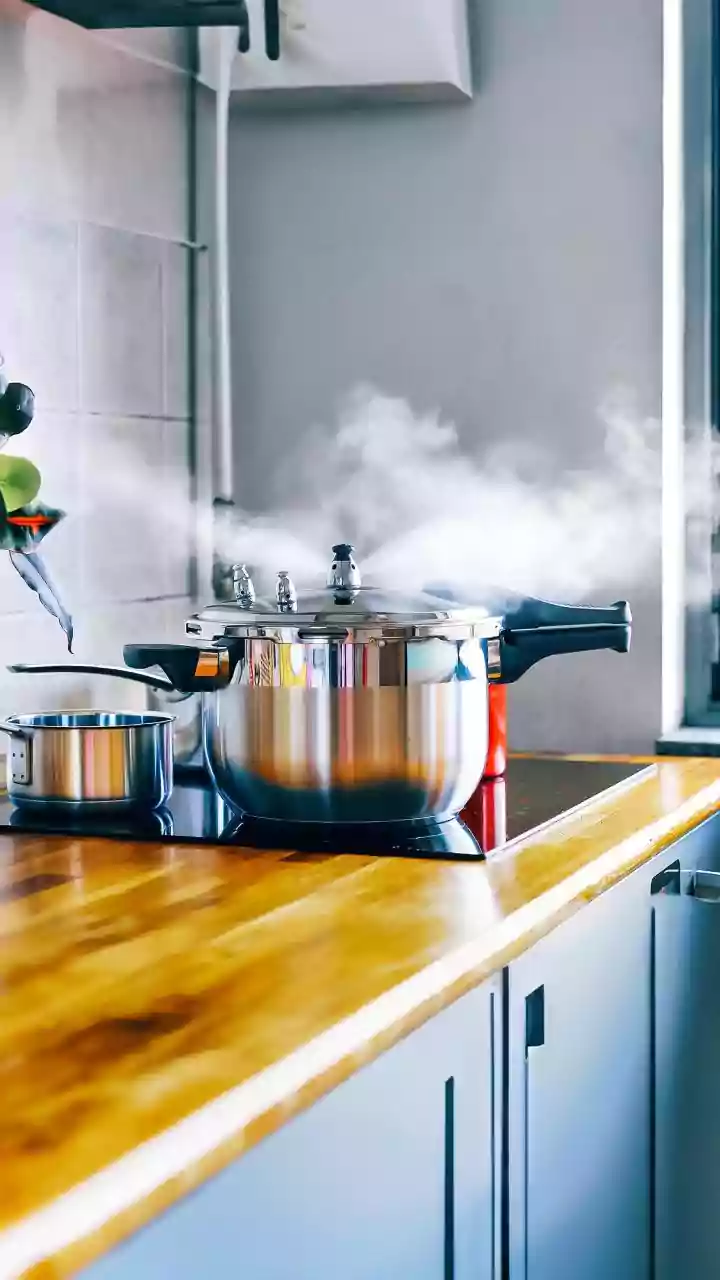
For many Indian households, the gas stove powered by LPG cylinders has been the cornerstone of their kitchen for generations. The current market dictates that a standard LPG cylinder typically ranges from approximately Rs 900 to Rs 1,100, with the final price influenced by government subsidies and geographical location. When we break down the usage, a single cylinder generally provides around 12 to 14 hours of cooking time when operated on a medium flame. This translates to an approximate cost of Rs 70 to Rs 90 for cooking a meal that requires roughly an hour of continuous heat, like preparing saag. While undeniably convenient and deeply ingrained in our cooking habits, the reliance on LPG cylinders currently positions it as the most expensive option, further compounded by the dependence on cylinder availability and potential delivery delays.
Induction: The Efficient Powerhouse
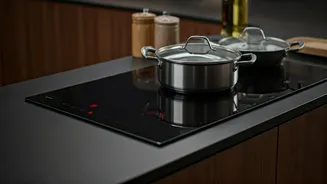
In recent times, induction cooktops have surged in popularity, emerging as a compelling alternative. These appliances harness electricity but operate on a principle that heats the cookware directly, rather than the hob surface itself, making them remarkably efficient. To illustrate, an hour of cooking on an induction cooktop consumes approximately 1.5 to 2 units of electricity. Considering that electricity rates typically fall between Rs 6 and Rs 10 per unit in many areas, the cost for an hour of cooking amounts to a mere Rs 10 to Rs 20. This significantly controlled and efficient heat transfer results in a surprisingly low operational expense. Therefore, for individuals residing in regions with a stable power supply and fewer interruptions, induction cooking presents itself as the most budget-friendly option available today.
Electric Stoves: A Solid Contender
Electric stoves, much like induction cooktops, also operate on electrical power, but their efficiency levels are somewhat lower due to inherent heat dissipation. An electric stove typically consumes about 2 to 2.5 units of electricity for an hour of cooking. This translates to an estimated cost of Rs 15 to Rs 30 for an hour-long cooking session, such as preparing saag. Although the operational cost is marginally higher than that of induction cooktops, electric stoves offer the advantage of not requiring specialized cookware, making them a user-friendly choice. Despite being more expensive than induction, they still represent a considerable cost saving compared to LPG cylinders, making them a viable and accessible option for many Indian kitchens.
PNG: The Piped Convenience
For residents in India's metropolitan areas, Piped Natural Gas (PNG) offers a modern and streamlined cooking solution. This system delivers gas directly to homes via a pipeline, eliminating the need for cylinders and allowing for consumption-based billing. The expense of cooking with PNG for an hour, for a dish like saag, is estimated to be between Rs 25 and Rs 40. This makes PNG a more economical choice than traditional LPG cylinders, while also providing unparalleled convenience through a continuous supply of gas, thereby removing the common hassle of cylinder refilling and managing deliveries. However, its availability is presently limited to specific urban centers.
Making the Smart Choice
When purely evaluating the financial aspect, induction cooking emerges as the clear winner, offering the most cost-effective solution for daily culinary needs. However, the decision-making process is not solely about cost. Factors such as consistent power availability and access to PNG connections play a significant role. In scenarios where these are unreliable, LPG, despite its higher cost, remains a crucial backup and a primary choice for many. Interestingly, the dynamic LPG market is fostering innovation in Indian kitchens, with many households adopting a dual-approach. They leverage induction for everyday cooking due to its affordability and efficiency, while retaining LPG as a dependable reserve for situations where electricity might be unavailable. This pragmatic strategy ensures uninterrupted cooking without compromising on budget or convenience.