





Reimagining Keema Matar
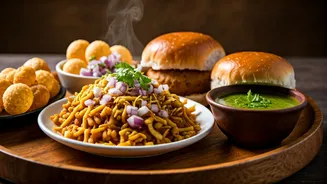
The quintessential Keema Matar, a dish deeply entwined with Punjabi culinary heritage and everyday comfort, is undergoing a thoughtful transformation.
Chefs are embracing plant-based alternatives to honor its essence while extending its appeal. At Spice Terrace in Bengaluru, for instance, Chef Mohammad Amir Qureshi takes a nuanced approach. He utilizes raw jackfruit, chosen for its remarkable fibrous texture that closely mimics minced meat. This is then combined with mushrooms and slow-cooked with a medley of spices, meticulously recreating the original dish's depth and richness. The objective is to preserve the authentic flavors and nostalgic sentiment that define Keema Matar, making it accessible to a broader audience, including those who opt for plant-based meals. This culinary endeavor beautifully illustrates a harmonious blend of tradition and forward-thinking adaptation, where the dish's identity remains steadfast, even as it embraces evolution. The choice of jackfruit proves to be more than a mere substitute; it acts as a vessel that absorbs flavors, adapts to the cooking process, and carries forward the spirit of the original preparation, demonstrating how skillful technique and patient cooking can effectively bridge the gap between familiarity and innovation.
Vegetarian Musallam's Depth
The concept of Musallam, traditionally known for its elaborate preparation and profound, slow-cooked flavors, is also being reinvented through a vegetarian lens in Bengaluru. Chef Saurabh Tyagi at The Ritz-Carlton, Bangalore, offers a distinct perspective on this classic. He focuses on bottle gourd (lauki) as the central ingredient, drawing parallels to the richness associated with its meat-based predecessor. The lauki is gently braised, allowing it to cook in its own natural juices, and then simmered in a carefully crafted gravy. This gravy is a complex blend of cashew nuts, onions, mace, and a delicate hint of rose water, all contributing to a layered depth of flavor. To achieve a finishing touch reminiscent of traditional preparations, the dish is then oven-baked, imparting a subtle roasted note and a light char. The outcome is a dish that successfully captures the luxurious texture and rich profile of conventional musallam, presenting a considerate and flavorful vegetarian alternative that respects the dish's heritage.
Plant-Based Haleem Innovation
In Pune, a significant reinvention of one of Eid's most celebrated dishes, haleem, is taking place at Chingari, Sheraton Grand Pune Bund Garden Hotel. Chef Gulam Qureshi has crafted a vegetarian version of this traditionally meat-intensive dish, which is renowned for its demanding preparation and distinctive richness. Recognizing haleem's integral role in Eid festivities and its unique textural and aromatic qualities, Chef Qureshi drew inspiration from his grandmother's improvisational cooking style. He developed a recipe using jackfruit and raw banana, slow-cooked with a complex array of aromatic spices designed to replicate the hearty character of traditional haleem. This plant-based haleem has found widespread appreciation, not only among vegetarian diners but also among regular non-vegetarian patrons, highlighting its success in delivering an inclusive and authentic flavor experience. By adding this dish to their menu, the restaurant honors culinary tradition while providing a universally appealing option that celebrates the spirit of the festive season.
Connecting Tradition and Future
What unites these innovative vegetarian interpretations of classic meat dishes is a profound understanding that celebratory food is deeply personal, rooted in cherished memories, family traditions, and generations of practiced rituals. When chefs reimagine these culinary cornerstones, they aren't severing ties with the past; rather, they are returning to the very essence of culinary heritage, which is built upon adaptability, ingenuity, and meticulous care. In a nation where food is intrinsically linked to identity and deep emotional connection, this emerging trend of vegetarian reinterpretations does not signify a departure from cultural norms. Instead, it represents a natural extension and an enhancement, ensuring that these beloved and historically significant dishes can continue to be shared, celebrated, and remembered by every individual at the dining table, fostering a sense of unity and shared experience.