

Ghee and Oils?
In Indian cuisine, ghee and oils hold significant importance. They are not only vital for adding flavor and texture to dishes but also for cooking. These
fats are often used extensively, from everyday staples like rotis and dals to festive sweets. Ghee, especially, is highly regarded for its cultural and religious significance, as well as its rich flavor. However, with changing health trends and a focus on weight management, many people are considering reducing or eliminating these fats from their diet. This change requires careful consideration, as fats play a crucial role in our bodies, and suddenly removing them can create imbalances if not approached carefully.
Fat’s Nutritional Role
Fats are essential nutrients playing a crucial role in bodily functions. They are a significant source of energy, helping the body absorb fat-soluble vitamins like A, D, E, and K. These vitamins are vital for vision, bone health, immune function, and blood clotting. Furthermore, fats provide essential fatty acids that the body cannot produce on its own, like omega-3 and omega-6 fatty acids, which are critical for brain health and reducing inflammation. They are also integral to the structure of cell membranes and support hormone production. Excluding fats completely can lead to deficiencies in these vital areas, and hence, it's necessary to understand the role of fats before making such major dietary changes.
Zero-Oil Diet Impacts
The effects of a zero-oil diet can be significant. Removing all ghee and oils may lead to deficiencies in fat-soluble vitamins, potentially impacting vision, skin health, and immune function. Additionally, insufficient fat intake can result in a lack of essential fatty acids, potentially affecting brain function and increasing inflammation. Some individuals may experience digestive issues due to the lack of fats, which help the body absorb nutrients. Furthermore, a very low-fat diet could cause decreased absorption of nutrients and insufficient energy intake. This is why it's crucial to substitute these fats with healthier alternatives to avoid complications. A balanced diet must include the right types of fats in appropriate amounts.
Healthy Fat Sources
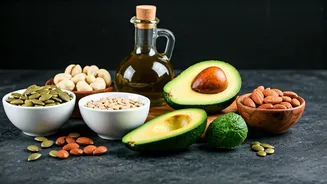
If you're opting for a diet that minimizes ghee and oils, focus on healthier fat alternatives. Incorporate foods rich in unsaturated fats, such as avocados, nuts, seeds, and olive oil. Avocados offer healthy monounsaturated fats and essential nutrients. Nuts and seeds, like almonds, walnuts, flaxseeds, and chia seeds, provide healthy fats, fiber, and protein. Olive oil, a staple in many cuisines, contains monounsaturated fats that support heart health. Including these sources can help ensure you meet your nutritional needs while limiting saturated fats from ghee and oils. These alternatives provide essential nutrients and support overall well-being. Consider integrating them in moderation as part of a balanced eating plan.
Balancing Your Diet
Achieving a balanced diet while minimizing ghee and oils requires careful planning. First, prioritize whole, unprocessed foods like fruits, vegetables, lean proteins, and whole grains. These foods are packed with essential nutrients, fiber, and antioxidants. Choose lean proteins like fish, chicken, and legumes to avoid excess saturated fats. When cooking, use healthy cooking methods like baking, steaming, or grilling rather than frying. Replace traditional oils with healthier alternatives like olive oil or avocado oil in small amounts. Always read food labels to monitor fat content and opt for healthier options. By making informed choices, you can maintain a balanced diet that supports your health goals without completely eliminating fats.
Addressing Deficiencies
When cutting out ghee and oils, it is essential to watch out for potential nutritional deficiencies. Supplementing your diet with fat-soluble vitamins like A, D, E, and K might be necessary, as these rely on fats for absorption. You can consult a healthcare professional or a registered dietician for advice. Consider taking a multivitamin to cover all the bases. Including foods rich in these vitamins, such as leafy greens, eggs (in moderation), and fortified foods, can also help. Monitor your body for any signs of deficiency, like fatigue, skin changes, or vision problems, and seek medical advice promptly if you have any concerns. Regular checkups and blood tests can help ensure you are getting the nutrients your body needs.
Cultural Considerations
In India, food traditions are deeply ingrained, with ghee and oils central to many dishes and celebrations. When adapting your diet, respect cultural norms while prioritizing your health. Explore healthier cooking methods for traditional foods. For example, instead of deep-frying, consider baking or air-frying snacks. Reduce the quantity of ghee and oil used in dishes gradually, rather than eliminating them entirely. Offer healthy alternatives at meals, like dishes made with olive oil or avocado, to balance the menu. Inform your family and friends about your dietary choices and the reasons behind them, fostering understanding and support. Maintaining cultural connections while making informed health decisions is achievable with thoughtful planning and communication.