



Start with Sweetness
The secret to effortless pineapple preparation begins with choosing the right fruit. Look for pineapples that exude a sweet, inviting fragrance, usually
strongest at the base. The skin should sport a golden-yellow hue, indicating ripeness, and feel slightly yielding to gentle pressure, but not mushy. Avoiding fruits that are entirely green suggests they haven't fully ripened, while those that are excessively soft might be overripe and more challenging to handle. A perfectly ripe pineapple not only offers superior taste but also ensures a smoother, safer cutting experience, reducing the likelihood of slipping or encountering excessive resistance.
Stable Foundation First
To begin, create a stable base for your slicing endeavors. Lay the pineapple horizontally on a sturdy cutting board and, with a sharp knife, carefully lop off both the leafy crown and the fibrous bottom. This action immediately provides two flat surfaces, granting you much-needed stability as you proceed. Moreover, by removing these ends, you can then stand the pineapple upright. This upright position allows for more controlled and precise peeling and slicing, making the entire operation feel significantly less daunting and much safer.
Peel with Precision
With the ends trimmed and the pineapple standing tall, it's time to tackle the formidable rind. Gently guide your knife downwards along the curved contours of the fruit, following its natural shape as closely as possible. This careful approach helps to peel away the tough outer skin in manageable strips while simultaneously preserving as much of the succulent, edible flesh as possible. By minimizing the amount of fruit you remove with the peel, you ensure you get the most out of your tropical treasure, leaving behind more of that sweet, juicy goodness.
Efficient Eye Removal
Pineapple skins are dotted with 'eyes,' which can be tedious to remove individually. These eyes form distinct spiral patterns. Instead of a painstaking, one-by-one removal, a clever technique involves making shallow, V-shaped incisions diagonally along these spiral rows. This method efficiently eradicates multiple eyes in a single pass, dramatically reducing preparation time and preventing unnecessary loss of fruit. You'll be left with more of the delicious, sweet flesh ready for enjoying.
Slice to Your Liking
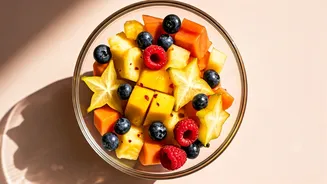
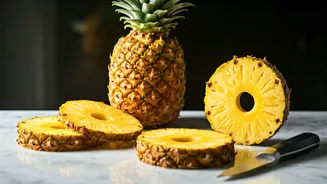
Once the pineapple is neatly peeled and its eyes are gone, you have the delightful choice of how to present your fruit. For a visually appealing arrangement, slicing the pineapple into uniform rings is an excellent option, perfect for garnishes or tropical beverages. Alternatively, if you prefer easy snacking, cutting the pineapple into wedges is the way to go. Whichever you choose, employ a sharp knife for clean, precise cuts, ensuring each piece has a consistent thickness. This uniformity enhances the texture and ensures that every bite delivers the same delightful flavor.
Core it Effortlessly
The fibrous core of a pineapple can detract from the eating experience. To remove it efficiently, especially when preparing rings, use a small, circular cutter or the tip of your knife to cut around the central core after slicing. If you're opting for wedges, the core can be easily discarded by simply cutting along the center line of each wedge. Eliminating this tough part significantly improves the overall texture and makes the pineapple much more enjoyable to consume, allowing its sweetness to shine through.
Preserve Freshness
To keep your perfectly cut pineapple tasting its best, proper storage is key. Place the prepared fruit pieces into an airtight container and refrigerate them promptly. Properly stored cut pineapple can retain its delicious flavor and appealing texture for approximately 3 to 4 days. Chilling not only preserves its inherent sweetness and juiciness but also ensures that each delightful bite remains as refreshing as the first, ready for you to savor whenever the craving strikes.