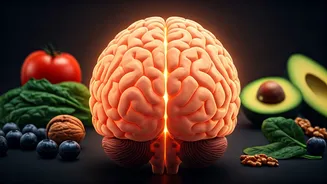








Midlife Nutrition's Impact
Emerging research underscores a powerful correlation between dietary choices made during middle age and the maintenance of cognitive sharpness in later
life. This comprehensive study, analyzing data from over 150,000 participants primarily from the United States' Nurses' Health Study and the Health Professionals Follow-Up Study, indicates that following a healthy eating pattern between the ages of 45 and 54 years can substantially lower the likelihood of experiencing subjective cognitive decline. The findings suggest that the benefits are not merely general but are more pronounced when healthy dietary practices are adopted during this critical midlife window. This research addresses a gap in previous studies by systematically examining multiple dietary approaches within a consistent population, providing robust evidence for the long-term cognitive advantages of mindful eating during these formative years.
Key Dietary Patterns
The study identified several dietary patterns associated with improved cognitive health, with a particular emphasis on diets that limit factors like hyperinsulinemia and inflammation. Among the six patterns examined, the Dietary Approaches to Stop Hypertension (DASH) diet emerged as the strongest protector of cognitive function. The DASH diet, renowned for its heart-healthy benefits, emphasizes abundant consumption of fruits, vegetables, whole grains, and low-fat dairy products, while also advocating for lean proteins like fish and poultry, and limiting sodium and red fatty meats. Beyond DASH, other beneficial indices included the Healthful Plant-Based Diet Index (hPDI) and the Planetary Health Diet Index (PHDI). A higher adherence to any of these six dietary patterns was consistently linked to a reduced risk of self-perceived cognitive decline and better objective cognitive performance, highlighting the broad protective effects of nutrient-rich eating.
Specific Food Choices
Delving deeper into the specifics, the research pinpointed key food groups that contribute significantly to better cognitive function. A diet rich in vegetables and fish proved to be particularly beneficial for maintaining brain health as individuals age. Conversely, a lower intake of red and processed meats was also strongly associated with improved cognitive outcomes. This suggests a dietary strategy that prioritizes plant-based foods and lean protein sources while moderating the consumption of less healthy animal products. The combined effect of these food choices, particularly when integrated into a structured dietary plan like DASH during midlife, appears to create a synergistic effect, bolstering cognitive resilience and supporting overall brain function well into later years.