







Dietary Shift's Toll
India faces a significant public health challenge as a growing preference for ultra-processed foods displaces traditional, nutrient-rich diets. This shift,
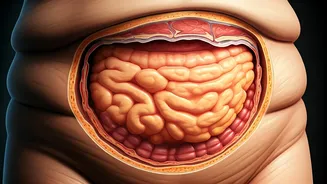
fueled by social media trends, fast-paced living, and the convenience of quick commerce, is leading to alarming consequences for gut health. Rajiv Gauba, a Member of NITI Aayog, pointed out at a probiotic symposium that approximately 56.4% of India's disease burden is directly attributable to unhealthy or unbalanced eating habits. These modern dietary patterns are not merely a matter of taste; they carry severe long-term repercussions for the nation's overall health and well-being. The decline in consumption of traditional foods, many of which are naturally fermented and beneficial for the gut microbiome, is a major concern that needs urgent attention from both public health officials and the general populace. This trend necessitates a conscious effort to re-evaluate our food choices and their impact on our internal ecosystem.
Heritage as Solution
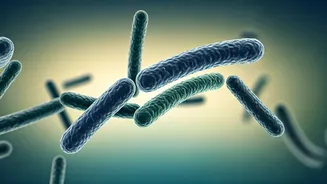
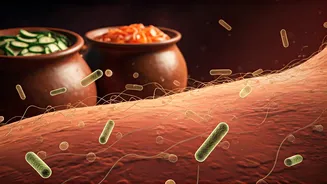
India possesses a unique advantage in combating the current health crisis: its rich and ancient heritage of fermented foods and traditional dietary practices. This ancestral knowledge, deeply embedded in Indian culture, offers a powerful antidote to the detrimental effects of modern processed diets. NITI Aayog suggests that by integrating this time-tested wisdom with cutting-edge genomic and microbiome research, India can emerge as a global leader in probiotic innovation. The development of clinically validated probiotics derived from traditional sources can significantly enhance public health and bolster immunity across the population. Mr. Gauba emphasized that "micro-organisms could create macro consequences," underscoring the profound impact of gut health on overall well-being. This presents an opportunity for India to not only improve its own health outcomes but also to contribute significantly to global health advancements through its unique culinary and scientific heritage.
Probiotics' Public Health
The potential of probiotics to revolutionize public health in India is immense, offering a multifaceted approach to disease prevention and management. Probiotics are instrumental in reducing the incidence of both infectious and chronic diseases, thereby lessening the overall disease burden. Furthermore, they play a crucial role in enhancing nutritional uptake and strengthening the population's immune defenses, making individuals more resilient to illnesses. This aligns with the government's broader health initiatives, such as Ayushman Bharat and PM-JAY, which aim to reduce out-of-pocket health expenditure and improve healthcare accessibility. As India's elderly population grows, ensuring a healthy and active aging demographic becomes paramount, a goal that can be significantly supported by improved gut health and immunity. The call for wider prescription of affordable generic medicines and the increased adoption of digital health technologies further complement these efforts, aiming for a more robust and inclusive healthcare ecosystem.
Future of Microbiome
The field of microbiome science is rapidly advancing, moving beyond mere descriptive studies to embrace mechanistic and translational research, unlocking new possibilities for health and medicine. This evolution is paving the way for innovative solutions like next-generation microbiome therapeutics, where precisely engineered microorganisms are used to treat specific conditions. Synthetic biology and CRISPR-enabled engineering of probiotics are emerging frontiers, allowing for the creation of probiotics with targeted anti-inflammatory and metabolic benefits tailored for precision medicine. India, with its deep-rooted tradition of fermented foods, burgeoning expertise in microbiome research, and supportive public health policies, is ideally positioned to harness these advancements. The nation is on a trajectory to become a global frontrunner in probiotics research, gut health enhancement, and nutritional innovation, leveraging scientific progress to address pressing health challenges.