






The Mystery of End-of-Life Experiences
As individuals approach the end of their lives, many report experiencing vivid dreams and visions that offer a unique glimpse into their inner state. These
end-of-life dreams and visions (ELDVs) have long captivated researchers and caregivers alike. A significant study conducted in Italy, involving 239 palliative care professionals, has shed further light on the recurring motifs within these experiences. The findings suggest that these are not random occurrences but rather carry profound symbolic weight, often providing a sense of peace and connection during a challenging time. Understanding these phenomena is crucial for enhancing end-of-life care and supporting patients through their final journey with empathy and insight.
Recurring Themes of Comfort and Transition
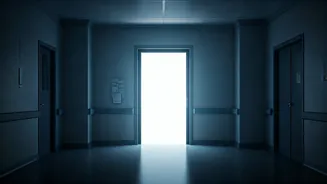
A consistent pattern has emerged from observations of terminally ill patients: their dreams and visions frequently feature comforting and transitional imagery. A prominent theme is the reappearance of deceased loved ones, offering a sense of reunion and continued connection. Equally common are visions of bright light, doorways, and staircases. These visual metaphors are widely interpreted as symbolic representations of passage – moving from one state of existence to another. Such imagery often helps patients confront deep existential questions and emotional burdens in a less frightening way than rational discourse might allow. These experiences are seen as powerful aids in fostering inner peace and acceptance as death draws near.
The Brain's Role in Vivid Visions
The heightened intensity and reality of these end-of-life dreams are deeply linked to physiological changes occurring in the brain during advanced illness. While the brain is never truly dormant, the stresses of illness, disrupted sleep patterns, and the general decline of bodily functions can significantly alter its activity. This can lead to dreams that feel exceptionally real and impactful. In the context of end-of-life care, professionals have noted that patients often describe being reunited with family members who have already passed away. This spiritual or emotional connection, facilitated by the dream state, can be a source of immense comfort and reassurance.
Meaningful Support in Care
For healthcare professionals, these end-of-life dreams and visions are not merely incidental occurrences but represent significant relational moments within palliative care. They provide an avenue for patients to express deeply held emotions and existential concerns that might otherwise remain unarticulated. One poignant example shared by a professional involved a patient who dreamed of her deceased husband beckoning her, interpreting it as a sign of her own readiness and inner peace concerning death. Another patient described a vision of ascending a staircase towards an illuminated doorway, a powerful metaphor for transitioning to a new phase. These narratives underscore the therapeutic potential of ELDVs in easing the journey towards death.
Addressing Distressing Visions
While many end-of-life dreams and visions are comforting, it's important to acknowledge that some can be deeply disturbing. These distressing visions might manifest as frightening figures or unsettling scenarios, often reflecting underlying anxieties about dying or unresolved emotional issues. Researchers emphasize that these negative experiences are not to be dismissed as mere delusions. Instead, they can serve as crucial indicators of unmet clinical or emotional needs that require attention. Taking these distressing visions seriously allows caregivers to address potential fears and provide more comprehensive support, ensuring that the patient's final days are as peaceful and pain-free as possible.