
Cold Feet, What Now?
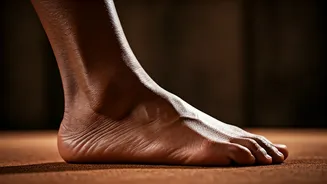
Constantly experiencing cold feet can be attributed to several factors, ranging from innocuous lifestyle choices to underlying medical conditions. Often,
exposure to cold environments is the primary culprit, causing the body to constrict blood vessels in the extremities to conserve core heat. Poor circulation, however, can also lead to this feeling, as insufficient blood flow to the feet prevents them from warming up properly. Lifestyle habits play a significant role as well. Smoking, for example, can narrow blood vessels, diminishing circulation, and making cold feet more likely. Similarly, a sedentary lifestyle or wearing tight footwear can restrict blood flow, intensifying the problem. Furthermore, certain medical conditions, like diabetes, peripheral artery disease (PAD), hypothyroidism, and Raynaud's phenomenon, can contribute to chronic cold feet. These conditions either directly affect blood flow or disrupt the body's temperature regulation. In some instances, nutritional deficiencies, such as a lack of iron or vitamin B12, can also trigger cold feet.
When to Worry?
While cold feet can often be harmless, they can sometimes indicate an underlying health issue that demands attention. If cold feet are accompanied by other symptoms, it’s advisable to consult a doctor. These red flags include skin discoloration, such as a bluish or pale appearance; sores or ulcers on the feet that don't heal; or changes in sensation, like numbness, tingling, or pain. The severity and duration of the coldness are also crucial factors to consider. Persistent cold feet, especially if they worsen over time or are coupled with other concerning symptoms, should prompt a medical evaluation. These symptoms might indicate conditions like Peripheral Artery Disease (PAD), where narrowed arteries reduce blood flow to the limbs. Diabetes can also cause nerve damage (neuropathy) that leads to abnormal sensations and coldness in the feet. Raynaud's phenomenon is another possible cause, where blood vessels in the extremities constrict in response to cold or stress. A doctor can conduct a thorough examination, order blood tests, and potentially perform imaging studies to determine the cause of your cold feet and recommend appropriate treatment.
Home Remedies & Habits
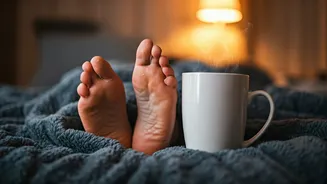
Several practical, at-home measures can help manage and alleviate the discomfort of cold feet. One of the simplest and most effective strategies is to keep your feet warm. This includes wearing warm socks, especially during colder weather or when indoors in an air-conditioned environment. Consider socks made from wool, which retain heat even when wet. Beyond clothing, maintaining good circulation is essential. Regular exercise, even gentle activities like walking, boosts blood flow to the extremities. Avoid sitting for prolonged periods; take breaks to stand up and move around frequently. In addition to physical activity, certain lifestyle adjustments can help. Quit smoking, if you smoke, because smoking damages blood vessels and impairs circulation. Limit or avoid consuming caffeine and alcohol, as they can constrict blood vessels. Stay hydrated by drinking plenty of water throughout the day. Consider adding circulation-boosting supplements to your diet only after consulting with a doctor. These remedies can provide significant relief.