







The Transplanted Palate
Living abroad for an extended period, as Rishab Rikhiram Sharma experienced during his decade in the US, can demonstrably impact one's tolerance for spice.
American cuisine, often perceived as less intensely flavored compared to traditional Indian dishes, gradually conditions the palate. When daily meals become consistently milder, the body's digestive system and sensory receptors adapt to this new norm. This prolonged exposure to less fiery foods means that the robust spice levels previously enjoyed might start to feel overwhelming or even uncomfortable. Sharma's observation that his spice tolerance has diminished since moving to the US exemplifies this phenomenon, illustrating how environmental culinary influences can lead to a perceptible shift in what one can comfortably consume.
Aging and Digestion
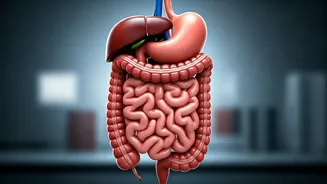
As individuals advance in age, the body's internal mechanisms undergo subtle yet significant changes, particularly concerning the digestive system. Dr. Vinodha Kumary explains that with time, the digestive processes can become less efficient. This means that breaking down food, especially heavier, spicier, or greasier items, might take longer and be less effective. A slower metabolism contributes to this, making the efficient digestion of rich foods more challenging. Consequently, this can lead to feelings of discomfort, bloating, and general digestive upset, prompting a natural inclination towards opting for lighter, more easily digestible meals. This physiological shift is a common reason why previously tolerated spicy foods might become a source of discomfort for older individuals.
Emerging Sensitivities
Beyond general digestive slowdown, aging can also introduce specific food sensitivities or intolerances that were not present earlier in life. For those with pre-existing digestive conditions such as Irritable Bowel Syndrome (IBS) or gastritis, spicy, fried, or excessively greasy foods can become particularly problematic. These ingredients can directly irritate the gastrointestinal lining, exacerbating symptoms. Dr. Kumary highlights that hormonal changes, a common aspect of aging, especially in women during menopause, can also play a crucial role. Shifts in hormone levels, like estrogen, can influence taste perception, appetite regulation, and the overall digestive function, making certain foods less appealing or harder to digest than before.
The Nuance of Spice
It's important to distinguish between food that is seasoned and food that is excessively spicy. While a daily diet heavy on very spicy food is not universally beneficial, traditional Indian cooking emphasizes spices not just for heat but for their role in digestion and achieving a balance of flavors and bodily humors. Fitness expert and dietitian Garima Goyal points out that individuals susceptible to conditions like acid reflux, gastritis, IBS, or hemorrhoids should exercise caution, as extreme spice can irritate the digestive tract and worsen discomfort. However, when Indian vegetarian meals are prepared thoughtfully, incorporating moderate oil, sufficient fiber, and appropriate spice levels, they can be both beneficial for gut health and rich in nutrients. The focus, according to Goyal, should be on balanced meals, portion control, and digestive tolerance rather than solely on the presence of chili.