


Nutrient Preservation
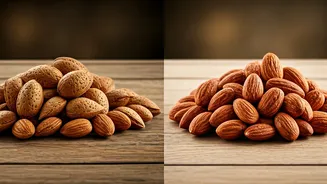
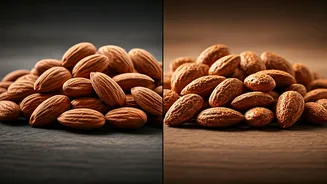
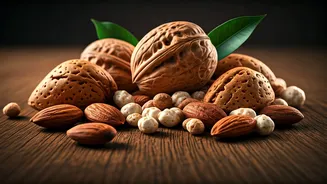
When it comes to preserving the most beneficial compounds, raw nuts often hold a slight edge. The gentle cooking process of roasting, especially at high
temperatures, can lead to a reduction in certain heat-sensitive nutrients, such as vitamin E and various antioxidants. Additionally, the polyunsaturated fats present in nuts might undergo some degree of oxidation during roasting. While these changes aren't typically drastic enough to negate the overall health benefits, raw nuts may offer a more concentrated dose of these particular micronutrients. For individuals whose primary focus is maximizing their intake of antioxidants and heat-vulnerable vitamins through their snacks, opting for raw varieties could be a marginally more effective strategy.
Flavor and Digestion
Roasting significantly transforms the sensory appeal of nuts, enhancing their inherent flavors, developing appealing aromas, and contributing to a satisfying crunch that many find irresistible. Beyond taste, this process can also influence how easily our bodies process them. Scientific analyses suggest that roasting can diminish the levels of antinutrients, like phytic acid, which are naturally present in nuts. By reducing these compounds, roasting may facilitate better absorption of minerals and make the nuts feel lighter and more comfortable in the stomach for some individuals. This improvement in palatability and ease of digestion can encourage more regular consumption, ultimately contributing to the consistent intake of nuts' valuable nutrients.
Fat and Oil Content
When comparing the fat content, dry roasted nuts are quite similar to their raw counterparts, largely retaining their natural oils. However, a critical distinction arises with commercially prepared roasted nuts, which can sometimes have oils and significant amounts of salt added during the roasting process. While the fundamental macronutrient profile of raw and dry roasted nuts remains largely consistent, the inclusion of added oils in processed versions can elevate their calorie count considerably. This makes commercially roasted nuts, particularly those with extra ingredients, potentially less suitable for daily consumption if calorie management is a concern.
Safety and Storage
From a food safety perspective, raw nuts carry a slightly elevated risk of bacterial contamination because they haven't undergone a heat treatment. Roasting, on the other hand, involves a process that effectively reduces moisture levels and eliminates potentially harmful bacteria, such as Salmonella. This heat exposure makes roasted nuts generally safer for consumption and also extends their shelf life, particularly in warmer or more humid environments where bacterial growth can be a greater concern. For long-term storage, especially in bulk, the inherent safety advantage of roasting can be quite significant.
Making Your Choice
The ideal choice between raw and roasted nuts hinges on your personal dietary goals and preferences. If your priority is to obtain the maximum possible nutritional value and avoid any added sugars, salts, or oils, raw nuts are the superior option. They represent the most unadulterated form of this nutritious food. Conversely, if you particularly enjoy the enhanced texture and robust flavors that roasting imparts, or if you find raw nuts challenging to digest, then roasted nuts are a worthwhile consideration. The key is to select dry roasted varieties that come without any superfluous additions. Ultimately, both forms can contribute positively to a balanced diet when enjoyed in moderation, offering slightly different benefits based on your needs.