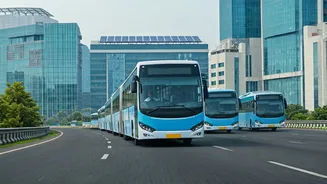

Importance of Transport
Employee transportation has become a pivotal element in the Indian business landscape, influencing employee satisfaction and overall organizational efficiency.
The provision of reliable and safe transportation is often a key factor for employees when considering job opportunities or their continued commitment to a company. It ensures punctuality, boosts productivity, and reduces the stress associated with commuting. Furthermore, companies that prioritize employee transport often see lower rates of absenteeism and higher levels of morale, creating a more positive and productive work environment. The availability of efficient transport solutions shows an investment in employee well-being, enhancing the company's reputation and appeal in a competitive job market.
Safety Measures Examined
Ensuring the safety of employees during transit is of utmost importance, and companies are implementing a variety of measures to achieve this. These include regular vehicle maintenance checks to ensure roadworthiness and reduce the risk of accidents. Driver training programs are frequently conducted, focusing on defensive driving techniques, adherence to traffic rules, and an understanding of emergency procedures. Furthermore, companies are integrating technologies such as GPS tracking systems to monitor vehicle locations and driving behavior, helping to identify potential issues like speeding or deviation from designated routes. Emergency contact and support systems are also put in place, offering employees immediate assistance in case of accidents or breakdowns. Some organizations also provide insurance coverage for employees utilizing company-provided transport to offer further protection.
Leveraging Technology
Technology is being strategically utilized to improve employee transportation services. Real-time tracking systems and apps provide employees with updates on vehicle locations, estimated arrival times, and potential delays, allowing for better planning and reduced waiting times. Many companies are using route optimization software to efficiently plan routes, considering traffic conditions and the distribution of employees, thereby reducing travel time and fuel consumption. Digital booking and management systems enable employees to schedule rides easily and allow administrators to efficiently manage transport services, monitor utilization rates, and gather feedback. Furthermore, the incorporation of mobile apps enables employees to communicate directly with drivers and transport administrators, contributing to a more responsive and streamlined service. This technological integration also collects data that helps to make informed decisions for continuous improvement.
Sustainable Practices Explored
The shift towards sustainable transportation practices is gaining momentum in India. Companies are considering strategies to reduce their environmental impact, such as using electric or hybrid vehicles, which produce fewer emissions. Route optimization helps to minimize fuel consumption and reduce carbon footprints. Organizations may encourage carpooling or offer incentives to employees who use public transport. Some companies are also investing in energy-efficient transportation infrastructure, such as charging stations for electric vehicles. By adopting sustainable practices, companies not only contribute to environmental protection but can also benefit from reduced operating costs and enhanced brand reputation. The trend reflects a growing focus on corporate social responsibility and environmental stewardship in the Indian business environment.