





The Chemical Threat
India's food safety authority, FSSAI, has issued a significant warning concerning the illicit practice of artificially ripening fruits, particularly mangoes,
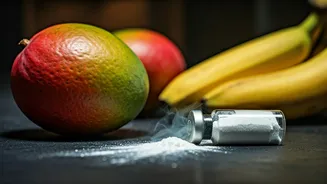
bananas, and papayas. The primary concern is the widespread misuse of calcium carbide, a chemical colloquially known as ‘masala’, which is strictly prohibited for this purpose. While permitted ripening agents like ethylene gas can be used under controlled conditions, calcium carbide poses serious health risks. This banned substance can leave behind hazardous residues of arsenic and phosphorus, which have been linked to a range of adverse health effects. These can include symptoms such as dizziness, nausea, vomiting, skin rashes, and irritation of the throat. On a long-term basis, exposure to these toxins may lead to more chronic health complications. FSSAI is actively combating this issue by mandating states to ramp up inspections in markets and storage facilities to curb the sale and use of illegally ripened fruits.
Spotting the Unnatural
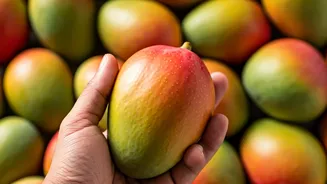
Recognizing fruits that have been artificially ripened is crucial for consumer safety. One of the most common indicators is an unnaturally uniform and intensely bright coloration across the entire fruit. Unlike fruits that ripen naturally, which often display a spectrum of colours and some surface imperfections, artificially treated produce tends to look 'too perfect' or may even exhibit a subtle greyish tint, a tell-tale sign of chemical application. Furthermore, paying attention to the fruit's texture and specific visual cues can be very revealing. For instance, bananas might have a completely yellow skin with a stem that still appears green, or papayas might become overly soft and mushy very rapidly after showing a quick ripening process. Blackening or burnt-looking patches, especially around the stem area, are also strong indicators of treatment with prohibited chemicals. These visual discrepancies often signify that the ripening process was unnaturally accelerated.
Sensory Clues to Trust
Beyond visual inspection, your senses of smell and taste can provide invaluable clues about the naturalness of a fruit's ripeness. Fruits that have been subjected to artificial ripening processes often lack the characteristic sweet and inviting aroma associated with naturally ripened produce. In some cases, a faint chemical odour might even be detectable, a stark contrast to the pleasant fragrance of fruits ripened by nature. When you cut into such fruits, the taste may be disappointingly bland, slightly bitter, or the texture might be unpleasantly soft without the expected juiciness. Naturally ripened fruits, on the other hand, typically exude a rich, pleasant fragrance and possess a consistent, flavourful taste with a satisfying texture. Trusting these sensory signals can significantly help in making healthier choices and avoiding fruits that may have been treated with harmful chemicals.
Safe Fruit Buying Habits
To ensure you're purchasing safe and naturally ripened fruits, adopting a few mindful buying habits can make a considerable difference. Prioritize selecting fruits that display some natural variation in colour and may have minor, superficial blemishes; these are often hallmarks of natural ripening. Whenever possible, procure your fruits from reputable vendors, trusted local markets, or certified organic stores that can vouch for their sourcing. It's advisable to steer clear of fruits that appear to ripen exceptionally quickly after you bring them home, as this can be an indicator of artificial intervention. Once you have purchased your fruits, it is essential to wash them thoroughly under clean running water before consumption. Always peel fruits like bananas and papayas before eating to remove any potential surface residues, ensuring a safer and healthier experience.