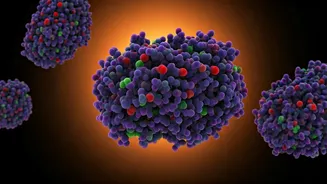

Protease: The Digestor
Protease enzymes, essential for breaking down proteins, are a cornerstone of healthy digestion. They act like tiny scissors, cutting large protein molecules
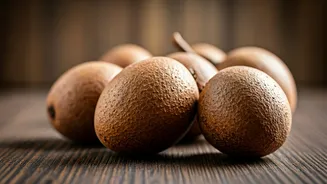
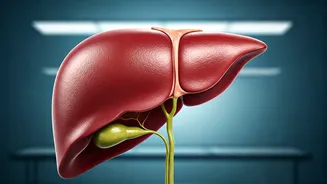
into smaller amino acids that your body can easily absorb. Without sufficient protease, the body struggles to utilize the protein from food efficiently, which can lead to various digestive discomforts and nutrient deficiencies. Protease is naturally produced in the body, primarily in the pancreas, but can also be found in the stomach and small intestine. Various food sources, such as papaya (bromelain) and pineapple (bromelain), also contain protease enzymes that can assist with digestion. Its primary function is to break down proteins from the food you eat and make them into amino acids, which are the building blocks for new protein in your body.
Boosting Immune Function
Protease enzymes contribute to the strengthening of your immune system. They help break down immune-compromising proteins and assist in the removal of cellular waste, thus aiding in the fight against infections and diseases. They also help the immune system by breaking down the proteins of pathogens like bacteria and viruses, thereby weakening them. By enhancing the body's natural defenses, protease supports the immune system's ability to respond quickly and effectively to potential threats. The enzyme is considered to be helpful when the body faces any kind of bacterial or viral infection. Its anti-inflammatory properties further support the immune response and the overall health of the body.
Cancer Prevention Potential
Preliminary research suggests a possible link between protease enzymes and cancer prevention. Protease is able to interfere with cancer cells in multiple ways. One way is by inhibiting cell division. Protease enzymes may help prevent colon cancer. Some studies suggest that protease may help to block cancer cell growth and spread. Protease supports the immune system's role in identifying and eliminating cancerous cells. While more research is required to fully understand this connection, the existing findings suggest that protease plays a vital role in preventing the development of cancer. This protective quality reinforces the importance of maintaining an optimal level of protease within the body.
Food Sources & Deficiency
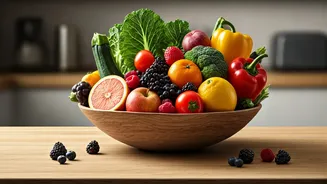
The body produces protease, but it's also present in various food sources. Fruits like papaya (containing papain) and pineapple (containing bromelain) are rich in protease enzymes. Some individuals may experience protease deficiency due to factors like chronic stress, poor diet, or certain medical conditions. A deficiency can manifest as digestive issues, weakened immune response, and difficulty absorbing nutrients. In addition to papaya and pineapple, other foods provide protease. This includes fermented foods like kimchi and tempeh, which can aid in digestion. Ensuring a diet rich in these foods supports the body's natural protease levels. Taking protease supplements can also help in enhancing the amount of protease in the body and help in dealing with deficiencies.
Safe Intake Considerations
If considering protease supplements, it's wise to consult a healthcare professional, especially if you have pre-existing health conditions or are taking medications. While generally considered safe, some people may experience mild side effects, such as digestive upset. When choosing a supplement, consider the enzyme source (plant-based options are common) and dosage. Dosage requirements are based on individual needs and health conditions. It's often recommended to take protease supplements with meals to help optimize their digestive benefits. Ensure you understand the potential interactions with other supplements or medications before beginning to take them. Proper guidance from a health professional is essential to guarantee your safety.