

What is PTE?
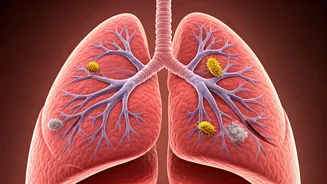
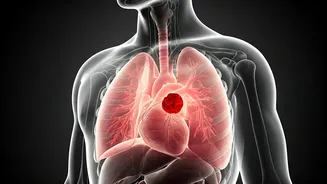
Pulmonary thromboembolism, commonly known as pulmonary embolism (PE), refers to a perilous medical event where a blood clot obstructs one or more pulmonary arteries,
the vital vessels that transport blood from the heart to the lungs for oxygenation. Most often, these dangerous clots don't originate in the lungs themselves. Instead, they typically form in the deep veins of the legs, a condition diagnosed as deep vein thrombosis (DVT). This clot then embarks on a journey through the bloodstream, eventually lodging itself in the lung's arterial network. Once present, the clot impedes or completely halts blood flow, significantly compromising the body's ability to acquire sufficient oxygen. Without prompt medical intervention, this blockage can rapidly escalate into a critical medical emergency. Several factors can contribute to the formation of these clots, including prolonged periods of immobility, undergoing major surgical procedures, sustaining bone fractures, battling cancer, engaging in smoking, carrying excess weight (obesity), experiencing pregnancy, using hormonal medications, or having certain inherited genetic predispositions that affect blood coagulation. Even extended periods of travel, such as long flights, or simply sitting for many hours without moving can elevate the risk for susceptible individuals.
PTE vs. Heart Attack
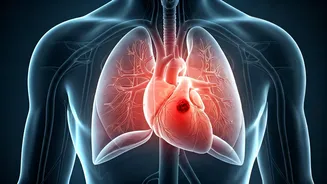
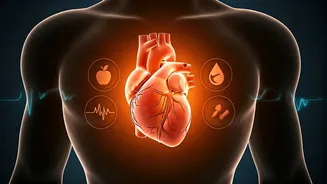
While both pulmonary thromboembolism (PTE) and heart attacks can manifest with alarming symptoms like chest pain and difficulty breathing, they are fundamentally distinct and serious medical emergencies. A heart attack occurs when the blood flow supplying the heart muscle itself is obstructed, typically due to the accumulation of cholesterol and subsequent clot formation within the coronary arteries. Conversely, PTE directly affects the lungs. The critical blockage in PTE happens within the pulmonary arteries, which are responsible for carrying deoxygenated blood from the heart to the lungs for vital oxygenation. The symptoms experienced by patients with PTE often include a sudden onset of breathlessness, sharp chest pain that intensifies with inhalation, a significantly elevated heart rate, feelings of dizziness, and in some instances, the unfortunate symptom of coughing up blood. Due to this overlap in symptoms, particularly in the initial stages, medical professionals can sometimes misdiagnose PTE as a heart attack, underscoring the importance of thorough diagnostic evaluation.
Cardiac Complications & Risks
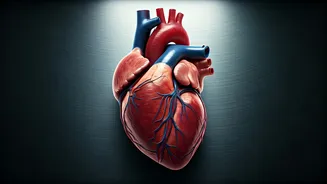
Indeed, pulmonary thromboembolism (PTE) can lead to severe cardiac complications. When a substantial blood clot obstructs the pulmonary arteries, it dramatically increases the pressure on the right side of the heart. This elevated pressure forces the heart to work significantly harder to pump blood, a strain that, in severe cases, can precipitate a cascade of serious events. These include the development of heart failure, the onset of shock, dangerously low blood pressure, or even a sudden cardiac arrest. Certain individuals are at a considerably higher risk of developing PTE. These include older adults, individuals undergoing cancer treatment, those recuperating from surgery, people who have been confined to bed for extended durations, smokers, and anyone with a history of blood clotting issues. While PTE is more prevalent among hospitalized patients, the elderly, and those recovering from surgery, younger individuals are not immune and can also be affected. Factors contributing to an increased likelihood of clot formation encompass obesity, smoking, prolonged periods of inactivity or sedentary behavior, insufficient hydration, elevated stress levels, extensive travel, the use of certain medications, and inherited predispositions to clotting disorders. It's noteworthy that some individuals may be unaware of an underlying tendency to form blood clots until a major event occurs, highlighting the critical importance of heightened awareness and prompt medical attention. Early and accurate diagnosis, coupled with timely treatment, significantly enhances the chances of a positive outcome and plays a crucial role in preventing potentially fatal complications.