
What is Parandi?
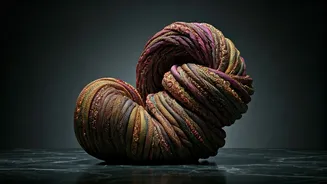
A parandi is a traditional Indian hair accessory, typically a braid extension adorned with colorful threads, tassels, beads, and sometimes small mirrors
or metallic accents. It is primarily used to lengthen and enhance the natural hair braid. Originating in the Indian subcontinent, parandis have been an integral part of hairstyles for centuries. They are more than just decorative items; they reflect the wearer's cultural background, personal style, and social status. The materials and designs used in parandis vary across different regions and communities, contributing to their diverse and vibrant appeal. Historically, parandis were often crafted by women within their families or communities, passing down designs and techniques through generations.
Traditional Design Elements
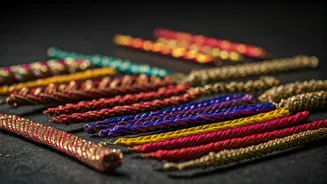
Traditional parandis often feature a combination of bright colors, especially reds, yellows, greens, and blues, symbolizing joy, prosperity, and the vibrant spirit of Indian culture. The threads used are typically silk or cotton, carefully interwoven to create intricate patterns. Tassels are a key element, usually made from the same threads, hanging at the end to add movement and visual interest. Beads, either glass or metallic, are incorporated into the design, adding sparkle and texture. Some parandis may also include small mirrors or metallic embellishments, which reflect light and enhance the overall look. The length of a traditional parandi varies, but they are generally designed to extend the braid well below the natural hair length, adding volume and a graceful flow.
Cultural Significance in India
Parandis hold significant cultural importance, particularly in various regions of India. They are often worn during festivals, weddings, and other celebrations, signifying beauty, fertility, and auspiciousness. In some communities, the parandi is an essential part of the bride's attire, symbolizing the transition into married life and the beginning of a new chapter. The designs and colors of the parandi can sometimes indicate the wearer's marital status, age, or social standing. Parandis also represent a sense of identity and belonging, connecting the wearer to their cultural heritage. The act of adorning the hair with a parandi is often a ritual, performed with care and intention. It reflects a deep appreciation for traditions and the beauty of handcrafted artistry. The parandi’s presence in Indian culture extends beyond mere ornamentation; it's a profound emblem of heritage and identity.
Styles of Parandis
Various styles of parandis exist across different regions of India, each showcasing unique design elements and cultural influences. Latkan parandis are a popular type, characterized by numerous tassels or latkans that create a flowing and dynamic effect. Jewellery parandis incorporate beads, mirrors, and metallic embellishments to resemble jewelry, enhancing the hair's overall elegance. Some parandis may include specific motifs or patterns, reflecting local traditions and artistry. The materials used in parandis also vary, with options like silk, cotton, and even synthetic threads, depending on the region and the occasion for which they are designed. The style of the parandi is chosen based on personal preference and the event. Thus, parandis offer diverse ways to showcase one's individuality and cultural connection.
Modern Trends and Revival
In recent years, there has been a renewed interest in parandis, with modern interpretations blending traditional designs with contemporary styles. Fashion designers and stylists are incorporating parandis into their collections, giving them a modern appeal. Contemporary parandis come with a range of innovative materials and designs, including the use of vibrant colors, quirky embellishments, and personalized touches to match modern fashion preferences. This revival has led to the development of new wearing methods and styles for parandis, enabling individuals to express their personal style. The return of parandis also reflects a broader movement of cultural pride and a desire to connect with one's roots while embracing modern trends. The blend of tradition and modernity gives parandis a timeless quality, ensuring they will continue to be cherished for generations.