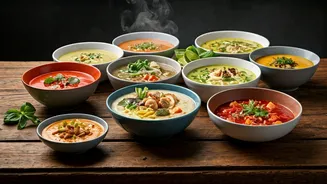







French Onion Soup
French Onion Soup holds a special place in the hearts of many food enthusiasts. Its origins trace back to France, where it emerged as a humble dish. The
soup’s simplicity involves caramelizing onions to a rich, golden hue, then simmering them in beef broth, and finally topping with a crusty slice of bread and melted cheese. The caramelized onions provide a sweet depth, contrasting beautifully with the savory broth and the melted cheese. Various regional adaptations exist throughout France, with some adding white wine or brandy during the caramelization process. This soup is a testament to the power of slow cooking and simple ingredients, providing a deeply satisfying and comforting experience that is easy to try for anyone.
Tom Yum Soup
Tom Yum Soup, a cornerstone of Thai cuisine, offers a vibrant and aromatic experience. Its complex flavor profile includes a balance of sour, spicy, sweet, and salty tastes. The soup's foundation often includes galangal, lemongrass, kaffir lime leaves, chilies, and fish sauce. Shrimp or other seafood are commonly added, along with mushrooms and sometimes coconut milk, which adds a creamy texture. Tom Yum showcases the Thai knack for balancing complex flavors; it is a celebration of the country’s fresh ingredients and culinary ingenuity. Variations exist based on the region, with certain areas emphasizing different elements like the level of spice or the richness of the broth. Tom Yum is not just a dish; it’s an immersive sensory experience that embodies the spirit of Thai cooking.
Miso Soup's Origins
Miso Soup represents a fundamental element of Japanese cuisine, steeped in tradition and symbolism. This soup, which traces its roots back centuries, is a staple in the Japanese diet, symbolizing balance and nourishment. The soup’s foundation includes miso paste, a fermented soybean product, which infuses the broth with its umami-rich flavor. Often, dashi, a flavorful stock made from kelp and dried fish flakes, serves as the liquid base. Typical additions include tofu, seaweed (wakame), and scallions. The preparation of Miso Soup is a ritual, representing mindfulness and appreciation for the ingredients. The soup's significance extends beyond mere sustenance, playing a role in Japanese culture. It is frequently consumed at breakfast and dinner, and believed to contribute to overall well-being.
Italian Minestrone's Recipe
Minestrone, a hearty Italian soup, celebrates the bounty of the season with its versatility. This soup’s defining characteristic is its seasonal variety, featuring a mix of fresh vegetables, beans, and pasta. There is no set recipe; rather, it adapts to the available ingredients, making each batch unique. Common components include beans (cannellini or borlotti), tomatoes, carrots, celery, zucchini, and pasta (ditalini or small shells). Variations exist from region to region. The preparation of Minestrone reflects Italian values – simplicity and resourcefulness. It provides a filling and nutritious meal, reflecting the Italian culture. Minestrone represents the soul of Italian comfort food and remains a culinary mainstay.
Pho: A Vietnamese Classic
Pho, a Vietnamese noodle soup, is a national dish and a symbol of Vietnamese culture. This soup, which originated in the early 20th century in northern Vietnam, has since gained global acclaim. The core of the soup is a flavorful broth, simmered for hours with beef bones, spices like star anise, cinnamon, cloves, and charred onions and ginger. Rice noodles are added, along with thinly sliced beef (pho bo) or chicken (pho ga). Garnishes include bean sprouts, fresh herbs (like basil and mint), lime wedges, and chilies. The popularity of Pho is owed to its balance of flavors and textures, making it a delicious and satisfying meal. Every element of the soup – the fragrant broth, tender meat, soft noodles, and fresh herbs – blends together for a truly memorable experience.
Gazpacho's Refreshment
Gazpacho, a refreshing Spanish soup, is perfect for hot weather. This chilled soup has its origins in Andalusia, in southern Spain. It is made from fresh, raw vegetables blended into a smooth, refreshing consistency. Tomatoes, cucumbers, peppers, onions, garlic, and olive oil form the soup’s base, with vinegar and bread often included to add body and tang. Gazpacho is a testament to simplicity and the quality of fresh ingredients. It provides a cool respite from the heat, and is both healthy and light. Versions vary depending on the area, with slight adjustments to ingredients or consistency. Gazpacho highlights the fresh flavors of the Mediterranean, embodying the Spanish spirit of enjoying simple pleasures.
Lentil Soup's Comfort
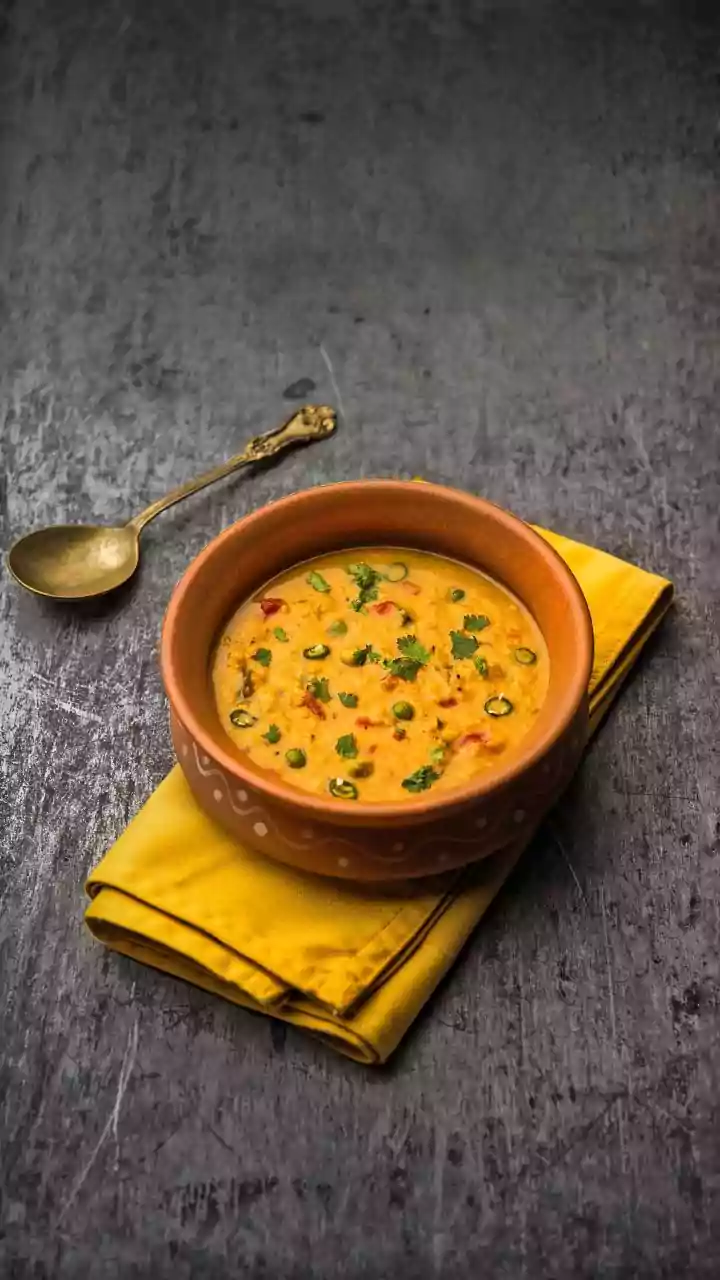
Lentil Soup provides a comforting and nutritious experience that has been popular across cultures for centuries. With its simple ingredients and adaptability, lentil soup is a staple in various cuisines, including Middle Eastern, Mediterranean, and Indian traditions. The key ingredient, lentils, provides fiber and protein. Recipes often include onions, carrots, celery, and a variety of spices, like cumin, coriander, and turmeric. Lentil soup is often vegan-friendly. It is cost-effective, easy to prepare, and a filling meal. Regional variations abound, reflecting local flavors and ingredients. This soup is a testament to the universality of comfort food. Lentil soup’s humble ingredients combine to create a deeply satisfying meal.
Avgolemono: Greek Tradition
Avgolemono, a traditional Greek soup, combines the richness of eggs and lemon. This creamy and tangy soup brings a unique culinary experience. The soup’s base consists of chicken broth, which is then thickened by a mixture of eggs and lemon juice. Rice is commonly added for texture. The dish's appeal lies in its simplicity. Avgolemono is traditionally served during special occasions, embodying the warmth of Greek hospitality. The preparation requires care, which results in a velvety texture. This soup epitomizes the elegance and comfort of Greek cuisine, offering a balanced and refreshing dish. The smooth texture and bright flavor make it a beloved dish.
Borscht's Beet Delight
Borscht, a beetroot soup, is emblematic of Eastern European cuisine. This vibrant soup, with roots in Ukraine, showcases the use of beets. The soup’s preparation often involves a combination of beets, vegetables like cabbage, carrots, potatoes, and onions, along with beef or sometimes pork, and is often flavored with dill and sour cream. It’s the beets that contribute to its distinctive color and sweet and earthy taste. Borscht can be served hot or cold. It's a dish with regional variations. Borscht demonstrates how local produce can be transformed into a memorable culinary experience. Its complex flavors and hearty nature provide a satisfying meal, and it serves as a symbol of cultural identity.
Ramen: Japanese Innovation
Ramen, a Japanese noodle soup, is a global phenomenon, beloved by food lovers. This dish, developed in Japan, showcases the fusion of noodles, broth, and toppings. The broth’s ingredients and flavors can vary widely, from tonkotsu (pork bone) to miso, shoyu (soy sauce), or shio (salt) bases. Ramen features wheat noodles, which vary in thickness and texture. The toppings include sliced pork (chashu), marinated eggs, seaweed (nori), bamboo shoots, and scallions. Ramen is customizable; each bowl is a personal creation. This dish symbolizes the creativity and innovation of Japanese cuisine, with regional variations showcasing local ingredients and preferences. Ramen has captured hearts worldwide.