

The Foundation: Fit
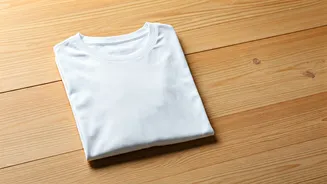
The fit of a t-shirt is the cornerstone of both comfort and style. A well-fitting tee should neither be too tight nor too loose. A slim fit is often favored
for its modern look, hugging the body without feeling restrictive. It's ideal for those who prefer a more tailored appearance. On the other hand, a regular fit offers more room, providing a relaxed feel and greater ease of movement, suitable for a casual aesthetic. Choosing the right fit depends on individual body type and personal style preferences. Consider how the shirt drapes over the shoulders, chest, and stomach to ensure a flattering silhouette. Experimenting with different fits allows for finding the perfect balance between comfort and a polished look. Factors such as the shirt's length and sleeve length also play crucial roles in overall appearance, as they can significantly impact how the shirt complements the wearer's proportions. A carefully chosen fit, therefore, is essential for a versatile tee.
Fabric Matters Most
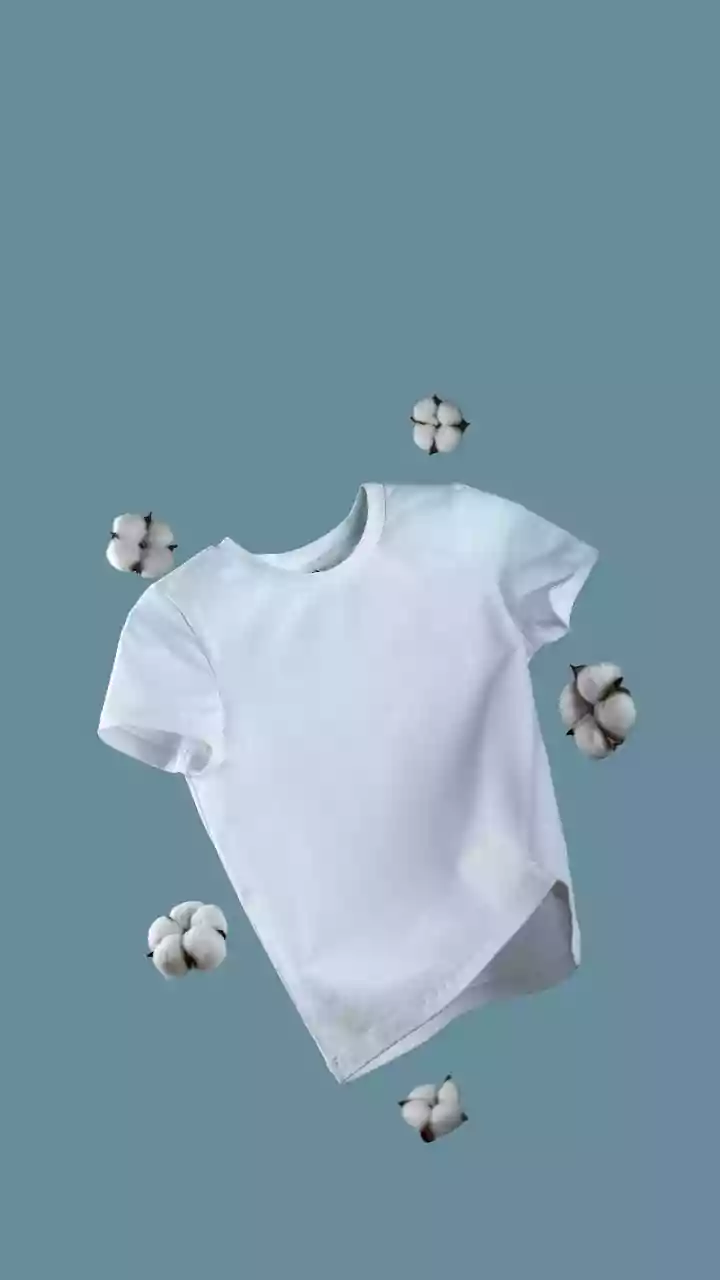
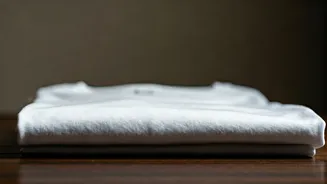
The fabric of a t-shirt significantly influences its comfort, feel, and durability. Cotton remains a popular choice because of its breathability and softness. Pure cotton tees are a staple for their comfort. However, different types of cotton offer distinct advantages. For example, some cottons are specifically processed to be extra soft, enhancing the overall comfort. Beyond cotton, blends offer other benefits. Blends often combine cotton with synthetic fibers such as polyester or rayon. These can add stretch, making the shirt more flexible. Moreover, blends often enhance durability, making the shirt less prone to wrinkles. The ideal fabric depends on the intended use and personal preferences. For hot weather, lightweight and breathable fabrics are preferable. Consider the fabric's weight; lighter fabrics are ideal for layering. The fabric choice therefore determines the shirt's performance and comfort.
Design Elements Explored
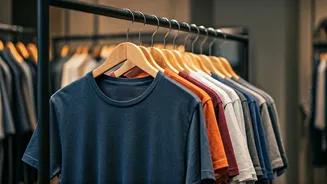
Design features elevate a t-shirt beyond a basic garment. Necklines are key design elements; the classic crew neck is timeless and versatile, fitting seamlessly with various outfits. V-necks offer a more casual and relaxed look, creating a lengthening effect. The sleeves also play a significant role; short sleeves are the standard, offering a casual and comfortable feel. Some shirts feature drop-shoulder designs, adding a modern and relaxed style that is increasingly popular. The color and pattern also dictate the shirt's aesthetic. Solid-colored t-shirts are wardrobe essentials, offering maximum versatility, allowing for easy pairing with different bottoms and accessories. Prints add personality, and patterns like stripes and graphic designs allow for expressing individual style. Consider the shirt's details, such as pocket placement or hem styles. The combination of fit, fabric, and design culminates in a t-shirt that's both functional and stylish. The best designs combine these features to produce shirts suitable for diverse occasions and personal styles.
Versatility: Style It Up
A versatile t-shirt is one that can be styled for multiple occasions. A well-chosen tee is an integral part of any wardrobe, allowing for numerous outfit combinations. For casual looks, pair a t-shirt with jeans or shorts and sneakers. This provides comfort and ease, perfect for daily wear. To elevate the look, the same t-shirt can be paired with chinos or trousers and a blazer, transitioning it to a smart casual setting. Layering is another key to versatility. A t-shirt can serve as a base layer under a button-down shirt or a jacket for added warmth and style. Experiment with different accessories, such as belts, watches, or scarves, to enhance the overall look. Consider the occasion when styling a t-shirt. A solid-colored tee provides a blank canvas, making it easy to incorporate other statement pieces, while printed tees offer more personality. Understanding how to dress up or down a t-shirt makes it a truly versatile piece, adapting to your day-to-day needs.