







Make it Playful
Transitioning into adolescence marks a pivotal moment for establishing lifelong healthy habits. Unfortunately, many teens today are less active than previous
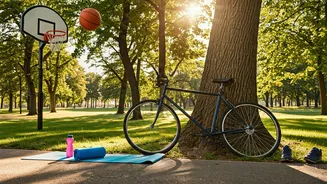
generations, largely due to the pervasive influence of screens and reduced opportunities for outdoor engagement. Parents play a vital role in nurturing a healthy lifestyle for their teenagers by actively promoting fitness. It's crucial to understand that fostering fitness in teens doesn't necessitate strict gym routines or rigorous exercise regimes. Instead, the emphasis should be on encouraging them to adopt healthy habits in a manner that is both enjoyable and motivating. A proactive approach to teen fitness offers significant benefits, extending beyond physical well-being to include enhanced self-esteem and a more effective means of stress management. This article outlines five smart and impactful strategies designed to help parents cultivate a sustained commitment to fitness in their teenagers. The first key is to redefine fitness not as a consequence or punishment, but as a source of genuine enjoyment. Often, the perception of fitness as a form of discipline or retribution for perceived shortcomings can deter teens from engaging. Therefore, it is imperative that parents frame physical activity as a delightful pursuit rather than an imposed chore. Instead of mandating specific exercises or frequent gym visits, parents should champion participation in a diverse array of sports and recreational activities. This could include dynamic pursuits like cycling, energetic dancing, refreshing swimming, team sports such as football or badminton, or even brisk walks. When an activity is inherently fun and engaging, teenagers are far more likely to participate willingly, without feeling coerced. Ultimately, fitness should be cultivated as a cherished hobby that enriches their lives, rather than a punitive measure.
Screen Time Balance
A significant portion of adolescent leisure time is increasingly consumed by digital devices—smartphones, video games, and social media platforms. This intense digital immersion often leads to a sedentary lifestyle, diminishing their inclination towards physical activity. Parents should proactively manage their children's screen time, fostering a healthier equilibrium by encouraging more engagement with outdoor pursuits. This does not imply a complete prohibition of digital devices; rather, it advocates for a mindful balance between screen-based activities and active pastimes. By motivating their children to partake in outdoor games and sports, parents can significantly enhance their children's physical condition and simultaneously enrich their social interactions. Furthermore, the uplift in mood and overall emotional well-being derived from outdoor activities is a critical, often overlooked, benefit for teenagers navigating the complexities of this developmental stage. Embracing outdoor experiences can lead to improved mental resilience and a more positive outlook on life.
Be a Role Model
Teenagers are highly observant and often mirror the behaviors and attitudes of their parents more readily than they heed their advice. Consequently, parents have a profound opportunity to influence their children's fitness habits by embodying healthy lifestyles themselves. Actively participating in sports and other outdoor activities sets a powerful precedent that children are likely to emulate. When parents demonstrate enthusiasm for physical activity and maintain a healthy disposition, their children are naturally inclined to follow suit. This role modeling can manifest in various ways: consistently engaging in exercise routines, opting for walking over driving for short errands, practicing yoga, or participating in recreational sports. By visibly prioritizing their own fitness, parents provide tangible evidence of its importance and enjoyment, making it more appealing and accessible for their teenagers.
Health Over Image
When encouraging teenagers to engage in physical activities, the primary focus should always be on the intrinsic benefits related to health, strength, and energy levels. It is vital for parents to steer clear of inadvertently influencing their children's perception of body image, as this is a particularly sensitive area for adolescents and can negatively impact their psychological well-being. Instead, parents should emphasize how sports and exercise contribute positively to their child's vitality, mood, and overall sense of well-being. Highlighting the improvements in energy and mental clarity that result from regular physical activity can foster a healthier relationship with exercise, one that is rooted in self-care and holistic health rather than external appearance.
Small, Achievable Goals
Setting ambitious fitness objectives, such as daily gym attendance or undertaking long-distance runs, can quickly overwhelm teenagers and lead to a rapid loss of interest. A more effective approach involves encouraging the establishment of small, attainable goals that build momentum and foster a sense of accomplishment. Examples include committing to a 20-minute walk each day, participating in a chosen sport twice weekly, or incorporating short home-based exercise routines. Achieving these smaller milestones provides positive reinforcement, motivating teenagers to continue their fitness journey. Gradually, these manageable targets can become an integrated and consistent part of their daily lives, transforming fitness from a daunting task into a sustainable lifestyle. The essence of fitness lies not in sporadic bursts of intense activity, but in consistent, long-term engagement.