
Winter Trekking Hazards
Winter trekking presents several challenges to eye health that require careful consideration. The combination of intense sunlight reflected off snow, strong
winds, and the cold temperatures can lead to various eye problems. Snow blindness, or photokeratitis, occurs when the cornea is burned by ultraviolet (UV) rays reflected from the snow. This condition can cause significant pain, blurred vision, and sensitivity to light. Furthermore, the dry air and wind during treks can exacerbate eye dryness, leading to irritation and discomfort. Exposure to cold temperatures can also reduce tear production, making eyes more vulnerable to these environmental factors. It is essential to be aware of these potential hazards and take appropriate protective measures to minimize the risk of eye damage during winter treks.
Sunglasses are Essential
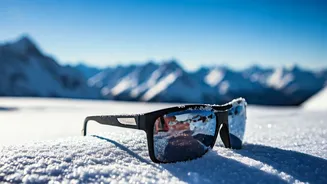
The cornerstone of eye protection during winter trekking is the use of high-quality sunglasses. Choosing the right sunglasses is crucial, considering factors such as UV protection and lens tint. Look for sunglasses that provide 100% UV protection, blocking both UVA and UVB rays. The lens tint is important too. Darker lenses can reduce glare and provide better vision in bright snowy conditions. Consider sunglasses with a wrap-around design to shield your eyes from the sides and prevent wind and snow from entering. It is also wise to select glasses designed for outdoor activities, offering durability and comfort during prolonged use. Wearing sunglasses is non-negotiable on a winter trek to safeguard your eyes against harmful UV radiation and ensure clear vision, even on overcast days.
Consider Goggles Too
While sunglasses are crucial, goggles provide an enhanced level of protection, particularly in extreme weather conditions. Goggles offer a comprehensive barrier against wind, snow, and bright sunlight, making them essential for high-altitude treks or areas with intense exposure. The sealed design of goggles prevents debris from entering the eyes, minimizing irritation and reducing the risk of abrasions. When choosing goggles, ensure they fit snugly and comfortably, covering the eyes completely without restricting vision. Look for features like anti-fog coatings to maintain clear vision in varying temperatures and humidity levels. Goggles are particularly recommended when there's heavy snowfall, strong winds, or conditions where additional protection is required to maintain eye comfort and safety throughout the trek.
Address Dry Eyes
Dry eyes are a common problem in cold, windy environments. The dry air and cold temperatures can reduce tear production, leading to discomfort, irritation, and potential damage to the cornea. To combat dry eyes during a winter trek, consider several strategies. Carry artificial tears or lubricating eye drops to keep your eyes moist. Apply these drops frequently throughout the day, especially when experiencing dryness or irritation. Avoid rubbing your eyes, as this can worsen dryness and potentially introduce irritants. If you wear contact lenses, you might experience increased dryness. Consider using eye drops that are compatible with your lenses. By staying hydrated and taking proactive measures against dryness, you can ensure that your eyes remain comfortable and protected throughout the duration of your trek.
Additional Safety Tips
Beyond sunglasses, goggles, and dry eye care, additional precautions enhance the safety of your winter trek. Always pack a first-aid kit that includes eye-specific items such as sterile saline solution for rinsing eyes if exposed to irritants and a clean eye patch in case of injury. Stay hydrated by drinking plenty of water, which helps maintain overall health and supports tear production. Take regular breaks indoors or in sheltered areas if possible, especially during periods of high sun exposure or strong winds. Be mindful of altitude. Higher altitudes increase UV exposure. If you notice any eye symptoms, such as pain, blurred vision, or excessive redness, seek medical attention promptly. This proactive approach will help ensure your eye safety and enjoyment of the trek.