



The Radiation Challenge
Operating within nuclear facilities, especially during decommissioning or cleanup efforts, poses an immense challenge for electronic equipment due to intense
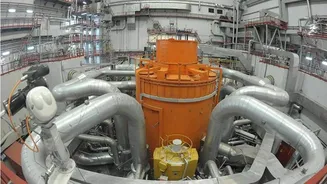
radiation. Standard Wi-Fi chips, the backbone of modern wireless communication, are particularly vulnerable. The high levels of gamma rays and other radioactive emissions can severely degrade or outright destroy the sensitive semiconductor components within these chips. This vulnerability was starkly highlighted during the extensive cleanup at the Fukushima Daiichi nuclear plant following the 2011 disaster. Robots deployed to manage the hazardous environment were tethered by LAN cables, creating a tangled web of wires that complicated already perilous operations. This dependency on physical cables severely restricted their mobility and efficiency. Simply encasing a consumer-grade chip in lead shielding is not a viable solution, as the shielding, while protecting the chip from radiation, also blocks the very radio frequency signals it needs to transmit and receive. Even an external antenna connected via a cable would be susceptible to radiation damage. Consequently, a completely new approach was necessary: developing a Wi-Fi receiver robust enough to endure the harsh conditions of a nuclear reactor core.
Engineering for Resilience
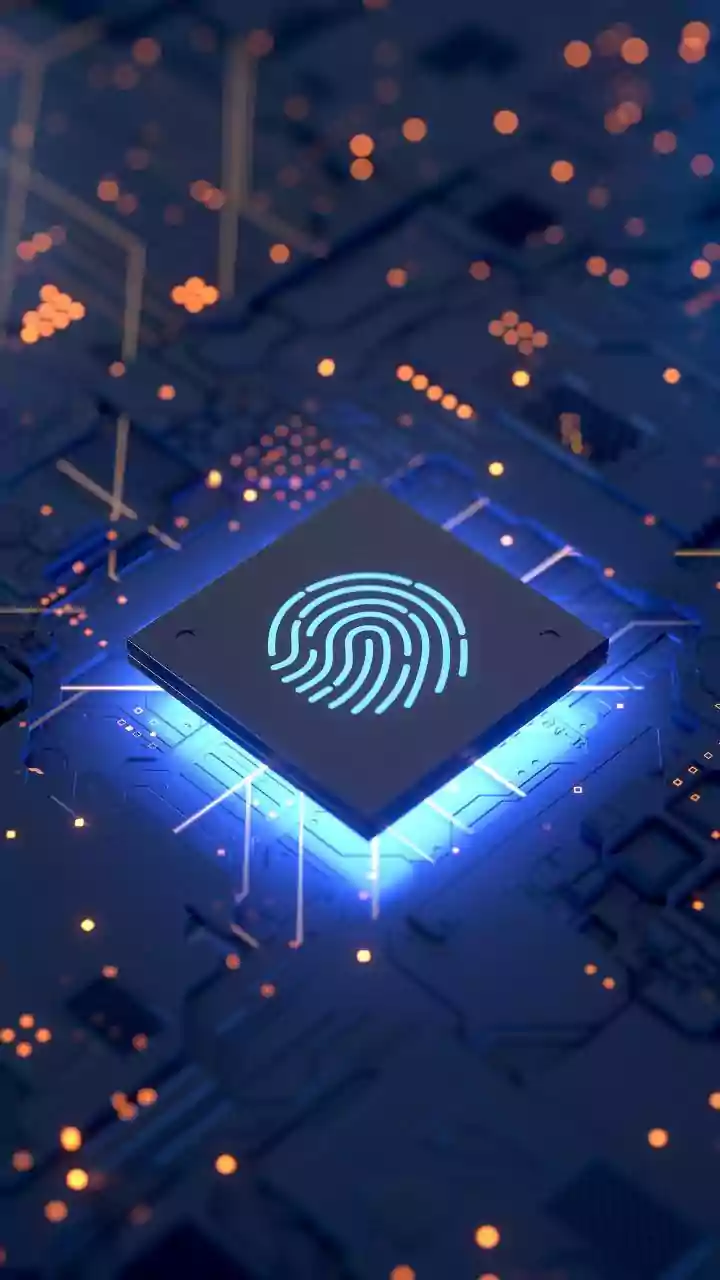
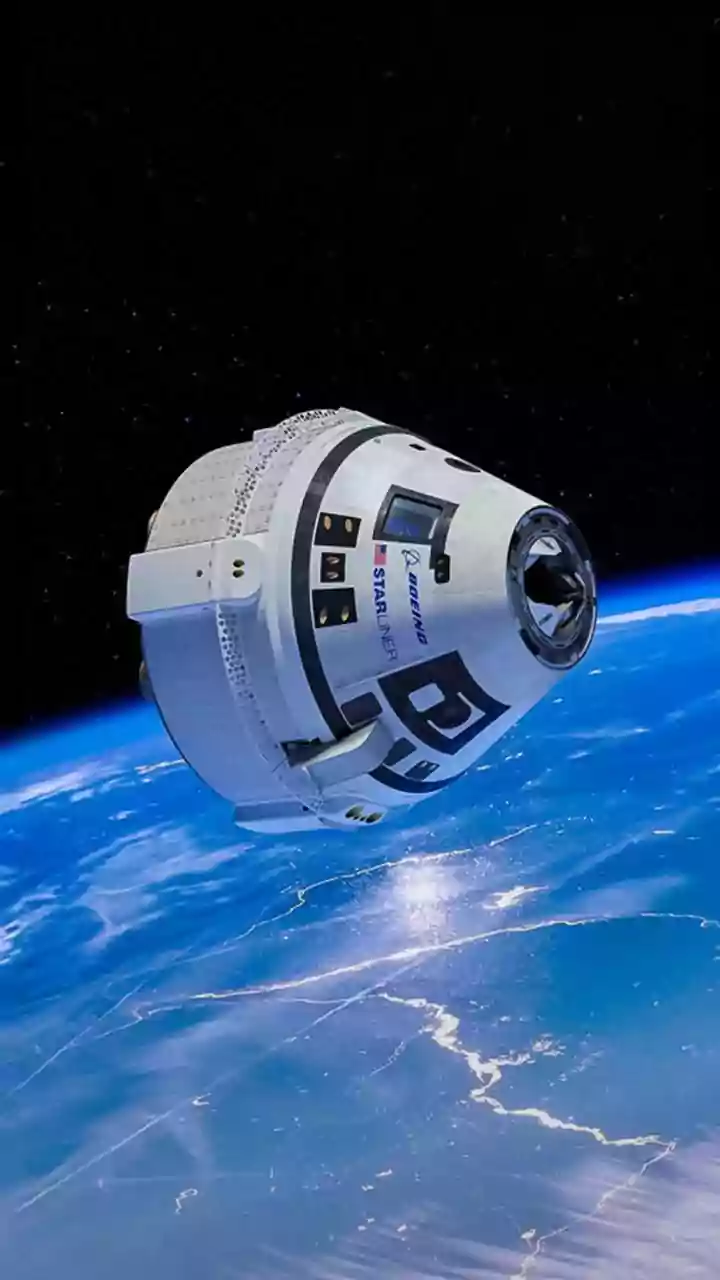
To combat the damaging effects of nuclear radiation, researchers at the Institute of Science Tokyo engineered a novel Wi-Fi receiver with exceptional durability. The extreme environment of a nuclear reactor subjects electronics to a staggering radiation dose of approximately 500,000 grays (Gy) over a six-month period. This dwarfs the requirements for electronics in spacecraft, which are designed to withstand only 100 to 300 Gy over three years. The core of the researchers' innovation lies in fundamentally altering the chip's internal architecture. They significantly reduced the number of transistors, as their internal oxide layers are highly susceptible to gamma ray degradation. Crucially, they replaced some of these transistors with alternative components like inductors, which do not possess an oxide layer and are thus inherently more resistant to radiation. For the essential transistors that could not be replaced, the team implemented design modifications. They enlarged the gate dimensions, making them longer and wider. This structural change helps mitigate radiation-induced degradation. Furthermore, they favored the use of N-type Metal-Oxide-Semiconductor (NMOS) transistors, which are known to be more resilient to radiation damage compared to their P-type counterparts.
Performance Under Fire
The effectiveness of this radiation-hardened Wi-Fi chip was rigorously tested, demonstrating its remarkable resilience. In laboratory simulations, the chip was exposed to a cumulative radiation dose of 800 kGy, a level far exceeding typical operational demands. Despite this immense bombardment, the receiver only experienced a modest 1.5-dB reduction in its signal gain. This minimal degradation signifies that the chip can maintain its functionality and performance for extended durations, even when immersed in highly radioactive environments. Such robustness is critical for enabling autonomous robots to perform complex tasks like decommissioning nuclear reactors or conducting safety inspections without constant human intervention or the limitations imposed by wired connections. The success of this receiver has spurred further development, with the team now focusing on creating a corresponding Wi-Fi transmitter. This next phase presents a greater technical hurdle, as transmitting signals requires high electrical currents, making the transmitter even more susceptible to radiation-induced interference and damage. Overcoming this challenge will pave the way for fully wireless, radiation-proof robotic systems.