




The Shifting Cancer Landscape
For decades, tobacco has been recognized as the paramount preventable cause of cancer, responsible for roughly one-third of all global cancer fatalities.
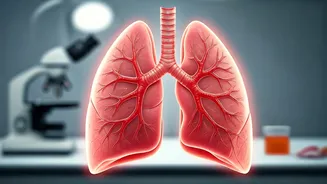
Cancers linked to smoking include lung, mouth, throat, esophagus, bladder, and pancreatic types, among others. Public awareness of tobacco's devastating impact has grown, yet its threat persists unabated. However, the narrative surrounding cancer causation is evolving. Increasingly, the public perceives lifestyle-related diseases as the primary health concern, overshadowing the long-standing danger posed by tobacco. This shift in perception highlights the growing influence of contemporary behaviors on cancer incidence, often acting independently or in conjunction with tobacco use.
New Lifestyle Risks Emerge
The modern world has unfortunately ushered in a host of detrimental behaviors that significantly elevate cancer risk. Experts point to six key culprits: pervasive physical inactivity, chronic sleep deprivation, excessive reliance on ultra-processed foods, escalating rates of obesity, high alcohol consumption, and persistent psychological stress. These factors don't just create general health problems; they actively alter fundamental bodily functions, paving the way for cancer development. The interplay between obesity, lack of exercise, and poor nutrition creates a toxic internal environment characterized by chronic inflammation, insulin resistance, and hormonal imbalances, all of which are fertile ground for cellular abnormalities.
Internal Environment for Cancer
When the body is subjected to the combined onslaught of modern lifestyle stressors like inadequate sleep and ongoing psychological pressure, its ability to detect and eliminate abnormal cells—known as immune surveillance—is compromised. Similarly, metabolic regulation, the process by which the body manages energy and maintains equilibrium, becomes disrupted. This creates an internal milieu conducive to the proliferation of pre-cancerous and cancerous cells. These cellular changes are so profound that cancers linked to lifestyle choices are now being observed with alarming frequency in younger individuals who have never even touched a cigarette, underscoring the potent and pervasive influence of these contemporary habits.
Synergy of Risks
A critical misunderstanding arises when we frame the cancer threat as an 'either-or' situation, pitting tobacco against lifestyle factors. In reality, these risk categories are not mutually exclusive competitors but rather potent complements that often work in tandem, amplifying their individual impacts. For instance, combining tobacco use with alcohol consumption dramatically escalates cancer risk beyond what either substance would pose alone. Furthermore, the detrimental effects of obesity exacerbate outcomes for virtually every type of cancer. The combined effect of these synergistic risks is significantly greater than the sum of their individual contributions, creating a complex and formidable challenge for public health.
Holistic Prevention Strategies
Addressing the escalating cancer crisis necessitates a paradigm shift in prevention strategies, extending far beyond traditional approaches. While tobacco cessation must remain a cornerstone of prevention, it is no longer sufficient on its own. A truly effective approach demands a comprehensive overhaul of our modern lifestyles. This includes embracing regular physical activity, adopting a balanced and nutritious diet, maintaining a healthy weight, consuming alcohol judiciously, actively managing stress, and prioritizing consistent, quality sleep throughout one's life. These proactive measures, when integrated consistently, form a robust defense against the multifactorial nature of cancer in today's world.
Combating Present Dangers
Preventing cancer effectively in the 21st century requires a commitment to eliminating a constellation of accumulated dangers, not just targeting a single behavior. Tobacco continues to exact a terrible toll, but the subtle, insidious threats embedded in contemporary living habits are significantly amplifying existing risks. To forge a path toward progress and significantly reduce cancer incidence and mortality, we must confront both the historical dangers of tobacco and the emergent threats posed by our modern way of life. This dual-pronged approach, addressing issues from their genesis to their resolution, is essential for achieving comprehensive and lasting cancer control.