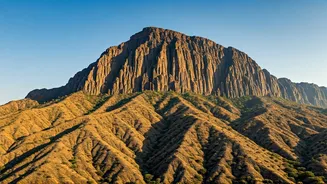








A Biodiversity Gem
Established in 1960, the Mount Abu Wildlife Sanctuary is a significant ecological reserve spanning approximately 288 square kilometers in Rajasthan's Sirohi
District. It acts as a crucial green expanse, providing a vital habitat for a wide array of plant and animal species. This sanctuary is particularly remarkable as it's situated in a state predominantly known for its arid deserts, making it a unique natural haven. The sanctuary's creation transformed the popular hill station of Mount Abu into a celebrated refuge for biodiversity, demonstrating a successful conservation effort. It offers visitors a chance to witness nature's richness in an unexpected setting, blending rugged terrains with lush vegetation. The sanctuary's establishment has been instrumental in preserving the ecological balance of the region, contributing significantly to the state's environmental health and offering a stark contrast to the surrounding desert landscape.
Varied Terrain & Climate
The sanctuary boasts a dramatic and varied topography, characterized by rugged hills, deep gorges, and verdant valleys that come alive with vibrant colors, especially after the monsoon rains. Dominating the landscape is Guru Shikhar, the highest point, reaching an impressive 1,722 meters, from where one can gaze upon an extensive panorama of forests stretching towards the horizon. This elevation provides a cool, temperate climate that offers a welcome respite from the intense heat typically experienced across Rajasthan. The sanctuary's diverse geography supports a rich tapestry of vegetation, including sub-tropical evergreen forests, dry deciduous woodlands, and pockets of drought-resistant plants. This climatic and geographical diversity is key to supporting the sanctuary's wide range of flora and fauna, creating distinct ecological niches within its boundaries.
Rich Flora Diversity
Within the sanctuary's confines, a staggering array of plant life flourishes, with over 820 documented species of flowering plants thriving in its varied microclimates. This botanical richness includes delicate orchids, ancient ferns, and a variety of medicinal herbs that have been used for centuries. The environment is characterized by swaying bamboo groves, which add a serene rustling sound to the forest, and imposing sandalwood and khair trees that stand as ancient guardians of this ecosystem. The presence of such diverse vegetation, from dense forest canopies to more open xerophytic patches, provides essential food and shelter for the sanctuary's inhabitants, underscoring the importance of preserving these varied plant communities for the health of the entire ecosystem.
Abundant Wildlife Sightings
Mount Abu Wildlife Sanctuary is a haven for a multitude of animal species, with the elusive leopard reigning as the apex predator. These magnificent cats are often spotted navigating the rocky outcrops with stealth and grace. Visitors might also encounter the distinctive sloth bear as it forages for fruits in the undergrowth, while various herbivores such as sambar deer, chinkaras, and wild boars are commonly seen grazing in the sanctuary's open clearings. A closer inspection of the terrain can reveal other fascinating creatures like jungle cats, civets, porcupines, and even the rare striped hyena, highlighting the sanctuary's significant role in protecting these diverse wildlife populations and maintaining ecological balance.
Avian Paradise
For ornithologists and bird enthusiasts, Mount Abu Wildlife Sanctuary is an absolute paradise, with over 250 bird species having been recorded within its limits. The air is filled with the symphony of diverse avian life, from the vibrant calls of common species to the rarer sightings of endangered birds like the Green Avadavat. The sanctuary is also a crucial stopover for migratory birds, which add to the spectacle during certain seasons, transforming the skies into a dynamic display of wings and colors. The presence of such a rich bird population is indicative of a healthy and thriving ecosystem, providing ample food sources and suitable nesting grounds for a wide variety of feathered inhabitants throughout the year.
Scenic Exploration
Beyond its wildlife and flora, the sanctuary offers a wealth of experiences for visitors seeking to connect with nature. Well-maintained trekking trails meander through the dense forest, leading to spectacular viewpoints like Sunset Point and Honeymoon Point, offering breathtaking vistas. A particularly interesting spot is Trevor's Tank, a historical lake originally created for crocodile breeding, which has now become a tranquil picnic area. This blend of natural beauty and historical significance makes it a unique destination. Every walk within the sanctuary provides an opportunity for quiet contemplation and immersion in the natural world, allowing visitors to appreciate the serenity and vibrant life that define this remarkable ecological zone.