







Conscious Consumption Choices
Young consumers in India are actively embracing a more mindful approach to their purchases, moving away from the perceived convenience of plastic. This
transition is fueled by growing concerns about single-use waste and the environmental impact of plastics, including the issue of microplastics. Stainless steel emerges as a compelling alternative because of its inherent reusability and longevity, contrasting sharply with the disposable nature of many plastic items. The global stainless steel cookware market's projected growth from $8.69 billion in 2024 to $12.46 billion by 2030 underscores this demand for durable and eco-friendly solutions. Gen Z's decision-making process is increasingly influenced by these sustainable attributes, making stainless steel a preferred choice for daily essentials.
Incremental Swaps Drive Change
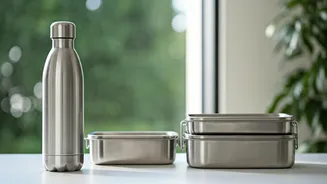
This significant shift towards stainless steel isn't necessitating drastic lifestyle overhauls; rather, it's a series of consistent, small changes. Simple actions like switching from single-use plastic water bottles to reusable stainless steel ones, opting for more durable tiffin boxes and food containers, and investing in long-lasting kitchenware are all contributing to this trend. Data indicates that over 67% of the demand for stainless steel cookware originates from households, showing a clear preference for enduring solutions over those that are quickly replaced. This behavioural pattern highlights a fundamental reevaluation of value, with a growing inclination towards sustainable products that offer longevity and reduce waste.
Prioritizing Health and Hygiene
Beyond environmental considerations, there's a heightened awareness among younger consumers regarding the materials that come into direct contact with their food and beverages. Stainless steel is celebrated for its non-reactive nature, meaning it doesn't leach harmful chemicals into food, and its ease of maintenance, which are crucial factors for modern households. These health and safety advantages are significant drivers of its popularity. Its inherent resistance to corrosion and its food-safe properties make it an especially attractive option for Gen Z, who are keen on ensuring the well-being of themselves and their families through their material choices.
Functional Aesthetic Appeal
For the Gen Z demographic, the ideal aesthetic balances minimalist design with practical functionality, a niche that stainless steel perfectly occupies. Whether it's found in the sleek design of a water bottle, the organized efficiency of modular kitchen setups, or the smart functionality of storage solutions, stainless steel aligns with contemporary tastes. Furthermore, advancements in its manufacturing have elevated its status beyond mere utility. Innovations like multi-layer constructions for superior heat distribution, compatibility with induction cooktops, and ergonomically designed handles enhance its suitability for modern living. Today, stainless steel embodies a harmonious blend of style and performance, offering durability, efficiency, and a visually pleasing appeal.
The 'Buy Better, Buy Once'
At the heart of this movement is a redefined understanding of value. Instead of prioritizing lower initial costs, younger consumers are increasingly focused on products that offer superior efficiency, unwavering durability, and exceptional long-term performance. This perspective is particularly prominent in urban settings, where the demand for high-quality kitchenware and home solutions is on the rise. While stainless steel might represent a higher upfront investment, its remarkable longevity, minimal maintenance requirements, and extended lifespan make it a financially astute and environmentally responsible choice over time. This deliberate shift towards stainless steel signifies a broader, more thoughtful approach to consumption, prioritizing quality and sustainability over fleeting convenience.